

News
Ichiba OnePlatform Team - 20/05/2026
In this article
Selling on Amazon has become more competitive than ever, and many dropshipping sellers are quickly realizing that manual processes simply cannot keep up with the speed of the marketplace. From product research and price monitoring to order fulfillment and inventory tracking, every step requires accuracy, consistency, and real-time updates. This is exactly where Amazon dropshipping software plays a critical role, helping sellers streamline operations while reducing costly errors.
However, automation on Amazon is not just about efficiency. It also comes with risks, especially when sellers rely on tools that do not fully align with Amazon’s policies. Understanding how different dropshipping tools for Amazon work, what they offer, and how to use them correctly is essential for building a compliant and scalable business. Without the right approach, even the best Amazon dropshipping software can lead to account issues rather than growth.
Operating a dropshipping business on Amazon involves multiple moving parts that must work together seamlessly, which is why relying on manual processes quickly becomes inefficient and error-prone. From identifying profitable products to managing suppliers and fulfilling orders, sellers need systems that can handle repetitive tasks while maintaining accuracy. This is where Amazon dropshipping software comes into play, acting as the backbone of a scalable and automated business model.
At its core, Amazon dropshipping software refers to a combination of digital tools designed to help sellers automate, optimize, and manage their dropshipping operations on Amazon. Instead of switching between spreadsheets, supplier websites, and order dashboards, these tools centralize workflows and enable sellers to operate more efficiently. Whether you are using a single Amazon dropshipping tool or a full Amazon dropshipping automation service, the goal remains the same: reduce manual work while increasing speed and control.

Amazon dropshipping software is a category of tools that supports sellers throughout the entire lifecycle of a dropshipping business on Amazon. While features vary depending on the platform, most of the best Amazon dropshipping software solutions share several core functions that directly impact daily operations.
One of the most important functions is product research, which allows sellers to identify trending and high-demand products with strong profit potential. These tools often provide data such as sales volume, competition level, and pricing history, helping sellers make informed decisions instead of relying on guesswork.
Another critical function is supplier integration, where the software connects Amazon listings with third-party suppliers. This enables automatic product importing, syncing of product details, and faster listing creation. Without this feature, sellers would have to manually upload and update product information, which is both time-consuming and prone to errors.
Order automation is also a key component, especially for sellers handling a large number of orders. With the help of Amazon dropshipping automation software, orders placed on Amazon can be automatically forwarded to suppliers, reducing processing time and minimizing human intervention. At the same time, tracking information can be synced back to Amazon to keep customers informed.
In addition, many tools include price and inventory monitoring, ensuring that product listings stay competitive and accurate. These features help prevent common issues such as selling out of stock items or listing incorrect prices, both of which can negatively impact seller performance metrics.
Finally, advanced platforms often offer analytics and profit tracking, allowing sellers to monitor performance across products, suppliers, and campaigns. This data-driven approach is essential for scaling a business and improving long-term profitability.
Not all dropshipping tools serve the same purpose, and understanding the different categories will help sellers choose the right combination of tools for their business. The best dropshipping tools for Amazon are typically grouped based on the specific function they perform within the workflow.
Product research tools focus on identifying winning products by analyzing market demand, competition, and pricing trends. These tools are essential for sellers who want to build a strong product catalog with high conversion potential.
Dropshipping supplier platforms act as marketplaces or directories where sellers can find reliable suppliers. These platforms often provide access to wholesale vendors, manufacturers, or verified partners, making them a safer alternative compared to retail arbitrage sources.
Inventory and stock monitoring tools are designed to keep track of product availability and stock levels across suppliers. Since stock changes frequently in dropshipping, these tools help prevent overselling and ensure that listings remain accurate at all times.
Order automation tools handle the fulfillment process by automatically placing orders with suppliers once a customer makes a purchase on Amazon. This category is especially important for scaling, as manual order processing becomes unsustainable with higher order volumes.
Full suite automation platforms combine multiple functionalities into a single system, offering an all-in-one solution for sellers who want to manage everything from product research to order fulfillment in one place. These platforms are often considered the most comprehensive Amazon dropshipping automation service options, making them ideal for sellers aiming to build a fully automated operation.
While dropshipping is a widely used business model across many ecommerce platforms, selling on Amazon comes with stricter rules that every seller must understand before relying on any Amazon dropshipping software. Many beginners assume that automation tools alone are enough to run a compliant business, but in reality, Amazon’s policies focus heavily on seller responsibility rather than the tools being used.
Understanding what is allowed and what is not is critical, especially when using Amazon dropshipping automation software or any Amazon dropshipping automation service. Failing to comply can lead to listing removals, account suspension, or even permanent bans, which makes this section one of the most important parts of your dropshipping journey.
Amazon does allow dropshipping, but only under very specific conditions. The platform requires sellers to maintain full control over the customer experience, regardless of whether a third-party supplier is involved.
One of the most important rules is that you must be the seller of record. This means your business name must appear on all invoices, packing slips, and external packaging. Customers should always recognize you as the seller, not your supplier.
Another strict requirement is the removal of any third-party branding. Amazon explicitly prohibits including supplier logos, receipts, or marketing materials from other retailers, such as Walmart or other marketplaces. Using retail arbitrage methods without proper control often violates this rule, which is why many of the best dropshipping tools for Amazon avoid direct integration with retail sources.
In addition, sellers are fully responsible for customer service and returns. Even if your supplier handles fulfillment, you are still accountable for handling customer inquiries, processing refunds, and resolving issues. This is where reliable dropshipping tools for Amazon can support operations, but they cannot replace your responsibility as a seller
Although automation can significantly improve efficiency, it also introduces risks if not managed carefully. Many sellers rely heavily on the best Amazon dropshipping software without fully understanding how these tools operate in the background.
One of the most common risks is policy violations caused by incorrect configurations. For example, some tools may pull product data from sources that are not compliant with Amazon’s rules, leading to listings that violate marketplace policies.
Incorrect tracking information is another major issue. When automation tools fail to sync tracking numbers properly, customers may receive invalid or delayed updates, which negatively affects seller metrics and customer trust.
Stock mismatches are also a frequent problem, especially when suppliers update inventory in real time. If your Amazon dropshipping tool does not sync frequently enough, you may end up selling out of stock products, resulting in cancellations and potential account warnings.
Late shipments can occur when automation fails to place orders promptly or when suppliers do not meet delivery timelines. Since Amazon prioritizes fast and reliable shipping, consistent delays can quickly damage your account health.
Staying compliant while using automation tools requires a combination of the right strategy and careful tool selection. Even the best dropshipping software for Amazon cannot guarantee compliance if it is used incorrectly.
First, it is essential to work with approved or reliable suppliers. Wholesale suppliers, manufacturers, or verified platforms are generally safer compared to retail sources. This approach reduces the risk of branding issues and improves fulfillment reliability.
Second, avoiding high-risk retail arbitrage tools is highly recommended, especially for long-term sellers. While these tools may seem attractive due to low upfront costs, they often operate in a grey area of Amazon’s policy and can lead to account suspension.
Another important practice is to actively monitor automation outputs. Instead of relying entirely on software, sellers should regularly review listings, orders, and tracking data to ensure everything is accurate and compliant. Automation should assist your business, not run it blindly.
Finally, maintaining a balance between automation and manual control is key. Successful sellers use Amazon dropshipping automation software to scale operations, but they still implement quality checks and oversight to protect their account and brand reputation.
Choosing the right tools can significantly impact how efficiently your business operates, but with so many options available, it can be difficult to determine which solutions are truly worth using. Rather than relying on a single platform, most successful sellers build a stack of specialized tools that work together to cover every part of the workflow. The best Amazon dropshipping software is not just about automation; it is about combining the right tools to create a stable, scalable, and compliant system.
In this section, we will break down the best dropshipping tools for Amazon by category, helping you understand what each type of tool does and which solutions are commonly used by experienced sellers.

Finding profitable products is the foundation of any successful dropshipping business, which is why product research tools are often the first investment sellers make. These tools analyze market demand, competition, and pricing trends to identify products with high sales potential.
Popular options in this category include tools like Jungle Scout and Helium 10, both of which provide data-driven insights into Amazon listings. They allow sellers to estimate sales volume, evaluate competition, and validate product ideas before launching them. For beginners, these tools simplify decision-making, while for advanced sellers, they offer deeper analytics to refine product strategies.
Highly-recommended tools:
Helium 10: comprehensive suite with keyword research, product validation, and listing optimization
Jungle Scout: strong in demand analysis and sales estimation
AMZScout: beginner friendly with solid product database and trend tracking
A reliable supplier is just as important as a winning product, especially when it comes to maintaining compliance and ensuring consistent fulfillment. Supplier platforms connect sellers with wholesalers, manufacturers, or verified partners who support dropshipping.
Platforms such as CJdropshipping, AliExpress, IChiba OnePlatform, and wholesale directories are commonly used, although each comes with different levels of risk and reliability. For sellers focused on long-term growth, working with private or verified suppliers is generally safer than relying on retail sources. This category plays a critical role in building a sustainable Amazon dropshipping automation service setup.
Highly-recommended platforms:
CJdropshipping: supports global warehouses and faster shipping options
AliExpress: large product variety, suitable for testing products
SaleHoo: vetted supplier directory for more reliable sourcing
IChiba OnePlatform: integrated supplier network with fulfillment and inventory sync
Price competition on Amazon is intense, and even small changes can affect your Buy Box eligibility and conversion rates. Price monitoring and repricing tools help sellers stay competitive by automatically adjusting prices based on predefined rules.
Tools like RepricerExpress or BQool are designed to optimize pricing strategies while protecting profit margins. These tools track competitor pricing and make real-time adjustments, allowing sellers to remain competitive without constantly monitoring listings manually. For anyone using Amazon dropshipping automation software, repricing tools are essential for maintaining visibility and sales performance.
Highly-recommended tools:
RepricerExpress: dynamic repricing based on competitor behavior
BQool: AI repricing with flexible rule settings
Aura: a simple repricing tool suitable for small to mid-sized sellers
Inventory management is one of the biggest challenges in dropshipping, especially when working with multiple suppliers. Stock levels can change frequently, and failing to update listings in time can lead to overselling or order cancellations.
Inventory management tools help synchronize stock levels between suppliers and Amazon, reducing the risk of mismatches. Many dropshipping tools for Amazon include this feature, but dedicated solutions often provide more accurate and frequent updates. This category is particularly important for sellers scaling their operations and managing large product catalogs.
Highly-recommended tools/platforms:
InventoryLab: inventory tracking combined with accounting features
Sellerboard: profit tracking with inventory insights
IChiba OnePlatform: real-time inventory sync across suppliers and channels
As order volume increases, manual fulfillment quickly becomes unsustainable, which is why order automation tools are a core component of any scalable setup. These tools automatically place orders with suppliers when a customer makes a purchase on Amazon.
Solutions like AutoDS and DSM Tool are widely used in this category, offering features such as one-click ordering, automatic tracking updates, and supplier integration. By reducing manual work, these tools allow sellers to focus on growth rather than day-to-day operations. However, it is important to configure them correctly to avoid issues related to tracking or fulfillment delays.
Highly-recommended tools/platforms:
AutoDS: full automation for product import, ordering, and tracking
DSM Tool: supports bulk ordering and supplier integration
Dropified: an automation tool with strong supplier connection features
IChiba OnePlatform: end-to-end order automation with fulfillment integration
Many sellers expand beyond Amazon to sell on multiple platforms, which creates the need for centralized management systems. Multi-channel tools allow sellers to manage listings, orders, and inventory across different marketplaces from a single dashboard.
Tools like Sellbrite or Shopify integrations help streamline operations and ensure consistency across channels. For sellers building a larger ecommerce ecosystem, these tools are a key part of the best dropshipping software for Amazon, enabling better control and scalability.
Highly-recommended tools/platforms:
Sellbrite: centralized listing and order management across channels
Shopify: flexible storefront with Amazon integration
ChannelAdvisor: a multi-channel solution for enterprises
IChiba OnePlatform: unified system for multi-channel selling and logistics
Without accurate data, it is difficult to optimize performance or scale effectively. Analytics and profit tracking tools provide insights into revenue, costs, margins, and overall business performance.
Tools such as Sellerboard or InventoryLab help sellers track profitability at both product and account levels. These insights allow for better decision-making, whether it is optimizing pricing, cutting underperforming products, or reinvesting in high-performing ones. For sellers serious about growth, analytics tools are not optional; they are essential.
Highly-recommended tools/platforms:
Sellerboard: detailed profit analytics and performance tracking
InventoryLab: combines accounting with reporting
Helium 10 (Profits): built-in analytics within its ecosystem
IChiba OnePlatform: integrated analytics across orders, inventory, and finance
For sellers who prefer not to manage multiple separate tools, IChiba OnePlatform offers a comprehensive alternative that combines all essential dropshipping functionalities into a single ecosystem. Instead of using different tools for product research, inventory tracking, order automation, and analytics, this platform is designed to centralize the entire workflow and simplify operations.
Built as a cloud native SaaS solution with API first architecture, IChiba OnePlatform allows seamless integration between different systems such as marketplaces, suppliers, logistics providers, and internal management tools. This enables sellers to manage multi-channel selling, fulfillment, and shipping from one unified dashboard, reducing complexity and improving operational efficiency.
One of the key advantages of IChiba OnePlatform is its modular ecosystem, which includes components like order management, warehouse management, shipping integration, and storefront building. Sellers can automate order processing, synchronize inventory in real time, manage pricing and billing, and analyze performance without switching between multiple tools.
In addition, the platform supports multi-market and multi-channel selling, making it suitable for dropshipping sellers who want to scale beyond Amazon into other marketplaces. With built-in fulfillment and logistics capabilities, including warehouse management and carrier integration, it helps ensure faster and more reliable order handling, which is critical for maintaining account health on Amazon.
For sellers looking for a fully integrated Amazon dropshipping automation service, IChiba OnePlatform stands out as a solution that covers everything from product and supplier management to automation and analytics. Rather than building a complex stack of individual dropshipping tools for Amazon, this approach allows you to operate with a single, scalable system designed for long-term growth.
With so many tools available in the market, choosing the right solution can quickly become overwhelming, especially when each platform promises automation, scalability, and higher profits. Instead of chasing the most popular or feature-rich option, sellers should focus on selecting tools that align with their current stage, business model, and financial goals. The effectiveness of any Amazon dropshipping software ultimately depends on how well it fits your specific workflow.
A strategic approach to tool selection not only helps reduce unnecessary costs but also ensures that your system remains scalable and compliant as your business grows. In this section, we will break down how to evaluate the best dropshipping software for Amazon based on practical criteria.
Your current level of experience plays a major role in determining which tools you should use. A beginner does not need the same level of automation or complexity as an advanced seller, and choosing the wrong tool too early can lead to confusion and wasted resources.
For beginners, simplicity should be the top priority. Tools with a clean interface, easy setup, and basic automation features are ideal for learning the fundamentals of dropshipping. At this stage, focusing on product research and simple order processing tools is often enough to get started. Low-cost solutions or entry-level plans of the best dropshipping apps for Amazon are usually sufficient.
As sellers move into the intermediate stage, the focus shifts toward efficiency and scaling. This is where more advanced Amazon dropshipping automation software becomes valuable. Features such as bulk product import, automated repricing, and supplier integration help reduce manual workload and improve operational speed.
For advanced sellers, the priority is full control and scalability. At this level, tools that support multi-channel selling, API integration, and deep analytics become essential. Instead of relying on standalone tools, many experienced sellers move toward building a complete system using the best Amazon dropshipping software or an all-in-one platform.
Not all dropshipping models are created equal, and the tools you choose should reflect the level of risk and complexity associated with your approach.
Retail arbitrage is one of the most common entry points, but it also carries the highest risk. Many tools in this category automate sourcing from retail websites, which often leads to policy violations due to third-party branding or unreliable fulfillment. While some dropshipping tools for Amazon support this model, it is generally not recommended for long-term growth.
Wholesale dropshipping is a safer and more sustainable model. By working directly with authorized suppliers or distributors, sellers can ensure better compliance and more stable operations. Tools that support supplier integration, inventory syncing, and order automation are particularly useful in this setup.
A hybrid model that combines private label with dropshipping offers even greater control. In this case, sellers use dropshipping to test products and then transition into private label for scaling. This approach requires more advanced tools, including branding support, analytics, and supply chain management features.
While it may be tempting to minimize costs when starting out, focusing only on price can lead to poor decisions. Instead, sellers should evaluate tools based on their return on investment rather than just their monthly subscription fee.
Every tool comes with a cost, whether it is a fixed monthly fee or a usage pricing model. The key question is whether the tool helps you generate more revenue or save enough time to justify that cost. For example, a repricing tool that improves your Buy Box win rate can quickly pay for itself through increased sales.
Break-even analysis is a useful way to evaluate this. By estimating how much additional revenue or efficiency a tool can generate, you can determine how long it will take to recover your investment. The best dropshipping tools for Amazon are not necessarily the cheapest, but the ones that deliver consistent and measurable value.
In practice, many successful sellers start with a lean setup and gradually invest in more advanced tools as their revenue grows. This approach minimizes risk while allowing for steady scaling, ensuring that each tool you add contributes directly to your business performance.
As your business grows, relying on a single tool is rarely enough to handle the complexity of Amazon dropshipping. A more effective approach is to build a structured automation stack, where each tool plays a specific role within your workflow. When done correctly, this setup allows you to combine the strengths of multiple Amazon dropshipping tools while maintaining control and flexibility.
Rather than aiming for full automation from day one, successful sellers focus on creating a balanced system that supports efficiency without sacrificing accuracy. In this section, we will explore how to build a practical and scalable automation stack using the best dropshipping software for Amazon.
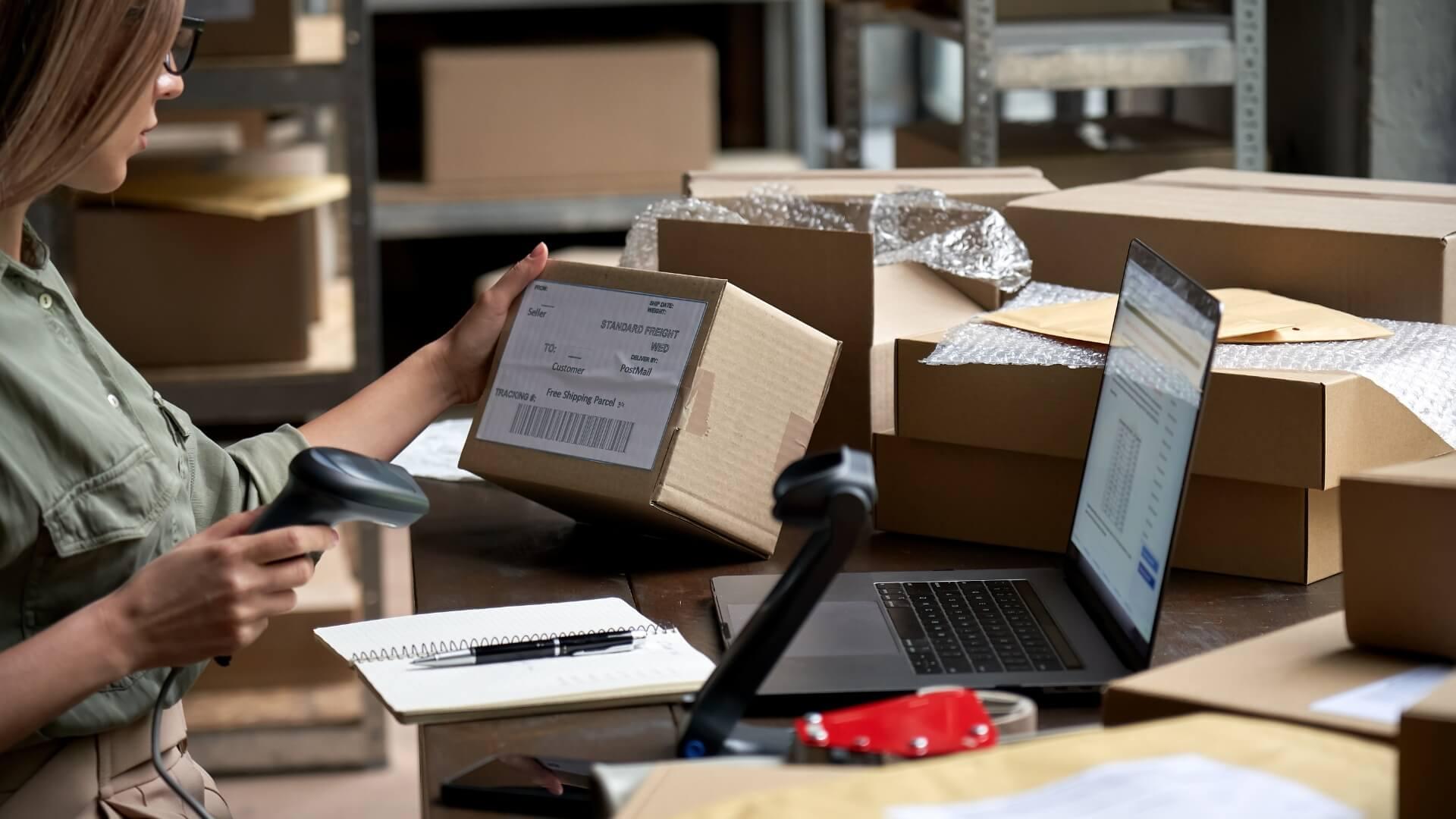
A well-structured automation stack typically includes a combination of tools that cover the most critical aspects of your business. Each layer supports a different function, working together to create a smooth and efficient operation.
At the foundation, a product research tool helps you identify high-potential products based on real market data. This ensures that you are building your catalog on solid demand rather than assumptions.
Next, an automation tool such as AutoDS or DSM Tool handles product importing, order processing, and supplier integration. These platforms are often considered core components of any Amazon dropshipping automation software setup because they directly impact daily operations.
A repricing tool is also essential, especially in competitive categories. By automatically adjusting prices, it helps you stay competitive while protecting your margins. Without this layer, maintaining pricing accuracy at scale becomes difficult.
Finally, an analytics tool provides visibility into your performance. Tracking revenue, costs, and profit margins allows you to make informed decisions and continuously optimize your strategy. This combination of tools forms the backbone of a reliable Amazon dropshipping automation service.
Understanding how these tools work together is just as important as choosing them. A typical automation workflow follows a structured sequence that connects each stage of the dropshipping process.
The process usually begins with product research, where you identify a product with strong demand and acceptable competition. Once validated, the product is imported into your Amazon store using an automation tool, which also syncs product details and pricing.
After the product goes live, inventory and price monitoring tools continuously track supplier data to ensure that your listing remains accurate. This step is critical for avoiding stock mismatches and pricing errors.
When a customer places an order, the automation tool automatically forwards the order to your supplier. The supplier then fulfills the order, and tracking information is synced back to Amazon, keeping both you and the customer updated.
Finally, analytics tools track the performance of each product, allowing you to evaluate profitability and make adjustments as needed. This end-to-end workflow demonstrates how different dropshipping tools for Amazon integrate to create a seamless system.
While automation offers clear advantages in terms of efficiency and scalability, relying on it بالكامل without oversight can create serious risks. The goal is not to eliminate manual work entirely, but to focus human effort on tasks that require judgment and quality control.
Over-automation can lead to issues such as incorrect listings, pricing errors, or policy violations, especially when tools are not properly configured. Even the best Amazon dropshipping software cannot fully replace the need for monitoring and decision-making.
Maintaining a balance means setting clear boundaries for automation. Tasks like order processing and inventory syncing can be automated, while areas such as product selection, supplier evaluation, and compliance checks should involve manual review.
Regular audits of your listings, orders, and tracking data are also important. By reviewing automation outputs, you can catch errors early and prevent them from escalating into larger problems.
Can I automate Amazon dropshipping?
Yes, Amazon dropshipping can be automated to a certain extent, especially when using reliable Amazon dropshipping automation software. Tasks such as product importing, inventory syncing, price monitoring, and order fulfillment can all be handled automatically.
However, full automation without oversight is not recommended. Amazon requires sellers to maintain control over their operations, so manual monitoring and quality checks are still necessary. The most effective approach is to use automation to reduce repetitive work while keeping strategic control in your hands.
How much does dropshipping software cost?
The cost of the best dropshipping apps for Amazon can vary significantly depending on the features and level of automation they provide. Entry-level tools may start from around 10 to 30 USD per month, while more advanced platforms can range from 50 to several hundred USD monthly.
Some tools also offer usage pricing, especially for order automation or API integrations. Instead of focusing only on cost, it is important to evaluate how much value the tool brings in terms of time saved and revenue generated.
Is AutoDS safe for Amazon?
AutoDS is one of the most commonly used Amazon dropshipping tools, and many sellers use it successfully for automation. However, like any tool, its safety depends on how it is configured and used.
If you rely on high-risk sourcing methods such as retail arbitrage or fail to monitor automation outputs, you may still face policy violations. When used correctly with compliant suppliers and proper oversight, AutoDS can be a useful part of your automation stack.
Can beginners use Amazon automation tools?
Yes, beginners can use dropshipping tools for Amazon, but it is important to start with simple and easy-to-understand platforms. Jumping into complex automation too early can lead to confusion and mistakes.
A better approach is to begin with basic tools that handle product research and simple order processing, then gradually add more advanced features as your business grows. This allows you to build experience while minimizing risk.
What is the safest dropshipping method on Amazon?
The safest approach is wholesale dropshipping, where you work directly with authorized suppliers or distributors. This model reduces the risk of policy violations and provides more reliable fulfillment compared to retail arbitrage.
Using compliant suppliers combined with carefully configured Amazon dropshipping automation service tools will help you build a more stable and sustainable business. While automation can improve efficiency, long-term success on Amazon always depends on staying within policy and maintaining a high level of operational control.
Building a successful Amazon dropshipping business today requires more than just finding a winning product, as the real challenge lies in managing operations efficiently while staying compliant with platform policies. With increasing competition and tighter regulations, relying on manual processes is no longer a viable option for sellers who want to scale sustainably. This is where the right Amazon dropshipping software becomes a key competitive advantage.
Throughout this guide, we have explored how different types of Amazon dropshipping tools support each stage of the workflow, from product research and supplier management to order automation and performance tracking. While there are many options available, the most effective approach is not to chase a single tool, but to build a system that aligns with your business stage, model, and long-term goals. Choosing the best dropshipping software for Amazon is ultimately about creating a balance between automation, control, and compliance.
At the same time, it is important to remember that automation is only a tool, not a replacement for strategy. Even the best Amazon dropshipping software will not guarantee success if it is used without proper oversight or with high-risk sourcing methods. Sellers who succeed in the long run are those who combine efficient systems with careful monitoring, strong supplier relationships, and a clear understanding of Amazon’s policies.
As you move forward, focus on building a lean and scalable setup using the best dropshipping apps for Amazon, then gradually optimize your stack as your business grows. Whether you choose to integrate multiple specialized tools or adopt an all-in-one solution like IChiba OnePlatform, the goal remains the same: create a reliable, automated system that supports growth without compromising stability.
By taking a strategic and informed approach, you can turn automation into a powerful asset and build a dropshipping business on Amazon that is both efficient and sustainable in the long term.

Work with us
Our solutions
Address:
 〒136-0082, Japan, Tokyo, Koto-ku, Shinkiba 3-5-6, 5F
Connect us:


Japan
〒136-0082, Japan, Tokyo, Koto-ku, Shinkiba 3-5-6, 5F
Texas, USA
1606 Audrey Dr, Garland, TX 75040, United States
California, USA
1316 John Reed Ct, City of Industry, CA 91745, United States