

News
Ichiba OnePlatform Team - 26/05/2026
In this article
The global demand for online fashion continues to expand, yet many dropshipping sellers quickly discover that apparel is one of the most challenging niches to master. Unlike electronics or home products, clothing requires far more attention to quality, sizing accuracy, branding, and customer expectations. This is exactly why choosing the right apparel dropshipping suppliers has become a critical success factor rather than a simple sourcing decision.
As the market matures in 2026, successful apparel dropshippers are no longer chasing the cheapest products. Instead, they focus on supplier stability, consistent size charts, predictable fulfillment timelines, and branding flexibility.
Apparel dropshipping is a business model where sellers offer clothing products without owning or storing physical inventory. Instead of stocking items in advance, sellers partner with apparel dropshipping suppliers who handle storage, packing, and shipping after each order is placed. While the operational structure may resemble that of other dropshipping niches, apparel introduces a layer of complexity that many new sellers often underestimate.
Clothing is a highly emotional and subjective purchase. Customers care not only about price, but also about fit, fabric feel, style relevance, and brand perception. Because of this, apparel dropshipping requires stronger supplier vetting, clearer product data, and more careful positioning than categories such as gadgets or home accessories.
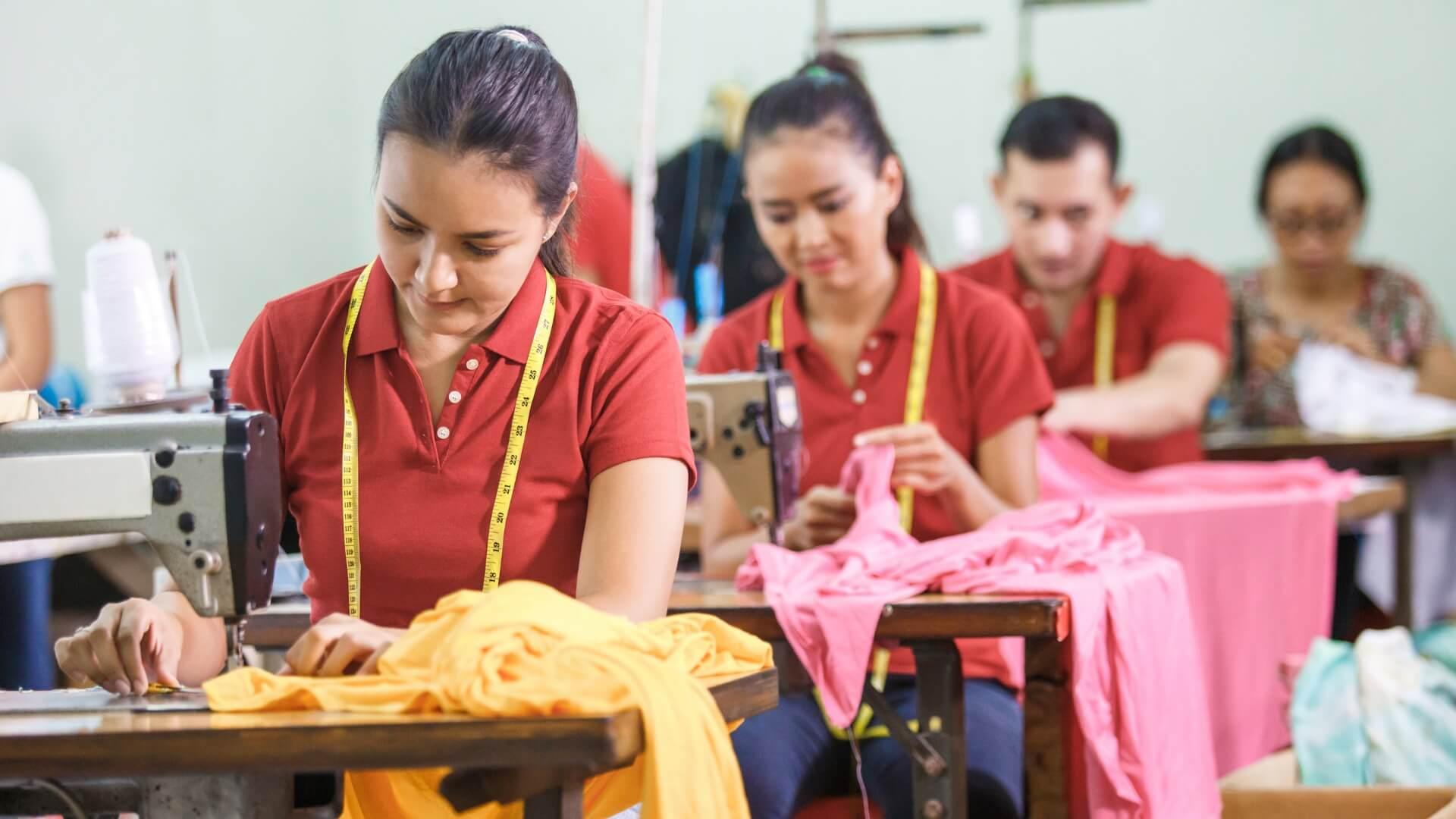
For beginners, apparel dropshipping works as a fulfillment partnership rather than a traditional retail setup. You create an online store, list clothing products, and market them to your target audience. When a customer places an order, your apparel dropship supplier ships the item directly to the end buyer.
Even though the supplier handles fulfillment, sellers still control the most important elements of the business. Branding decisions shape how customers perceive the store and the product value. Pricing strategy determines profit margins and market positioning. Customer experience depends on product accuracy, delivery reliability, and how issues such as sizing or defects are handled.
This separation of responsibilities makes apparel dropshipping attractive for sellers who want to enter the fashion market without investing heavily in inventory. At the same time, it places greater responsibility on supplier selection because the product itself never passes through your hands.
Compared to electronics or home goods, apparel has far more variables that can impact customer satisfaction. Sizing differences alone can create confusion, especially when US, EU, and Asian standards are mixed within the same catalog. A medium size from one supplier may fit very differently from another, even when the product appears identical online.
Fabric quality also plays a major role in apparel dropshipping. Customers expect softness, durability, and color accuracy, yet suppliers may source from different production batches over time. Small variations in stitching, fabric weight, or dye can result in negative reviews and higher return rates.
Style and fit are subjective by nature. A product that performs well for one audience may fail with another, even if the photos and descriptions are accurate. In addition, apparel is heavily influenced by seasonality and trends. Products that sell well today may lose demand quickly, which makes slow shipping times and unstable inventory especially risky.
Women’s fashion
Women’s fashion is the largest and most dynamic category in apparel dropshipping, driven by frequent purchasing behavior and fast-changing trends. Products such as dresses, tops, skirts, and seasonal collections offer strong volume potential, but they also come with higher expectations around fit, fabric quality, and style accuracy.
For dropshipping sellers, success in women’s fashion depends heavily on working with apparel dropshipping suppliers that provide detailed size charts, consistent materials, and reliable restocking. Trend cycles are short, which makes shipping speed and inventory stability especially important when scaling winning products.
Men’s apparel
Men’s apparel tends to be more stable in both design and sizing compared to women’s fashion. Core products such as t-shirts, hoodies, jackets, and casual wear usually follow standardized fits, which helps reduce returns. Purchasing behavior is also more practical, with customers placing greater emphasis on comfort, durability, and value.
Activewear
Activewear has experienced sustained growth due to lifestyle and fitness trends. Customers in this category care deeply about fabric performance, stretch, breathability, and durability. Leggings, sports bras, joggers, and training tops are popular items, but expectations are significantly higher than in casual fashion.
Boutique / niche fashion
Boutique and niche fashion focuses on curated collections designed for specific audiences or styles. Sellers in this segment benefit from working with boutique dropshipping suppliers that offer smaller batch production and more distinctive designs. While product costs are higher, conversion rates and customer loyalty are often stronger.
Working with apparel dropship suppliers can unlock strong profit potential, but it also exposes sellers to risks that rarely appear in other dropshipping niches. Many of these challenges only become visible after a store starts scaling, which is why understanding them early helps sellers avoid costly mistakes and operational bottlenecks.
One of the most common issues in apparel dropshipping is inconsistent product quality across different production batches. Even when a product uses the same SKU, suppliers may source fabrics from multiple factories or adjust materials based on availability. As a result, customers may receive items that look or feel different from what was advertised.
Color accuracy is another frequent pain point. Lighting in product photos, combined with variations in dye lots, often leads to noticeable color mismatches. Fabric weight and thickness can also change over time, which impacts how garments drape and feel when worn. Poor stitching, loose threads, and weak seams further increase the risk of complaints and refunds.
Because sellers do not physically inspect each order, quality control depends almost entirely on supplier transparency and internal processes. Without clear fabric specifications and batch consistency, even well-performing products can quickly turn into liabilities.
Sizing remains the single biggest return driver in apparel dropshipping. Suppliers often use different sizing standards depending on their region, which creates confusion when selling to international customers. A large size from an Asian supplier may fit closer to a medium in the US market, even when charts appear similar.
Fit issues are especially damaging because they lead to dissatisfaction rather than simple product defects. Customers who receive clothing that does not fit as expected are more likely to leave negative reviews, request chargebacks, or lose trust in the brand entirely. Since return shipping costs for apparel are often high, sellers frequently choose to refund without requesting the item back, directly reducing profit margins.
Without consistent size charts, clear measurement guidelines, and realistic product descriptions, return rates can quickly rise to unsustainable levels, particularly when scaling paid advertising.
Fashion buyers typically expect faster delivery compared to other product categories. Clothing purchases are often tied to events, seasons, or trends, which makes long shipping times a major conversion barrier. When suppliers take too long to fulfill orders, even attractive pricing may fail to convert or lead to post purchase frustration.
Trend-driven demand amplifies this challenge. A design that is popular today may lose relevance within weeks, leaving sellers exposed to refunds and disputes if orders arrive late. Inconsistent shipping timelines also make it harder to set accurate delivery expectations, which increases customer support workload and damages brand credibility.
For apparel dropshippers, balancing shipping speed with cost is not optional. Suppliers who cannot provide predictable fulfillment timelines become increasingly risky as order volume grows, regardless of how competitive their pricing may be.
Choosing the right apparel dropshipping suppliers is one of the most important decisions in building a profitable clothing store. Unlike product selection or ad testing, supplier mistakes often scale in the wrong direction, creating operational chaos as order volume increases. A strong supplier evaluation process helps sellers protect margins, reduce returns, and maintain a consistent customer experience over time.
Consistent size charts
A reliable apparel dropship supplier should provide more than just a large product catalog. Consistent and detailed size charts are essential, with clear measurements rather than generic labels. Sellers should be able to verify how each size is measured and whether the chart remains stable across restocks.
Fabric specifications available
Fabric specifications play a major role in setting customer expectations. Information such as material composition, fabric weight, stretch level, and care instructions helps reduce misunderstandings and complaints. Suppliers who cannot clearly explain what materials are used often lack quality control standards.
Neutral or branded packaging options
Packaging options also matter, especially for sellers building long-term brands. Neutral packaging reduces the risk of customer confusion, while branded or white label packaging supports higher perceived value.
Clear return & defect policy
In addition, a clear return and defect policy protects sellers when issues occur. Suppliers should define how they handle damaged items, incorrect sizes, and quality defects, including timelines and compensation terms.
Stable SKU availability
Stable SKU availability is another critical factor. Frequent product removals or silent changes in materials can disrupt ads, listings, and customer trust. The best apparel dropshipping suppliers communicate changes proactively and maintain continuity whenever possible.
Wholesale fashion dropshippers typically focus on volume and variety. They offer large catalogs, competitive pricing, and fast product turnover, which makes them suitable for general apparel stores and high testing strategies. However, these suppliers often have limited customization options and may carry similar products to many competing stores.
Boutique dropshipping suppliers operate differently. They emphasize curated collections, smaller batches, and more distinctive designs. Pricing is usually higher, but so is perceived value. These suppliers are better suited for niche fashion brands that rely on storytelling, aesthetics, and repeat customers rather than aggressive price competition.
Choosing between wholesale fashion and boutique suppliers depends on your business model. Sellers focused on rapid scaling and paid ads may benefit from wholesale partners, while stores often perform better with boutique dropship suppliers who support differentiation.
Wholesale Fashion | Boutique Dropshipping |
Lower prices | Higher perceived value |
Generic styles | Curated / niche designs |
Thin margins | Higher margins |
Domestic apparel suppliers based in the US or EU offer advantages in shipping speed and customer trust. Faster delivery times reduce refund requests and improve conversion rates, especially for buyers who expect local fulfillment. Communication and quality standards also tend to be more consistent, though product costs are usually higher.
Overseas suppliers, particularly in China and other parts of Asia, provide wider product selection and more competitive pricing. They are suited for trending items and stores that require frequent product testing. However, longer shipping times, variable quality, and time zone differences increase operational risk.
For many successful apparel dropshippers, a hybrid approach works best. Using overseas suppliers for product discovery and testing, while transitioning winning products to domestic or branded fulfillment, allows sellers to balance cost, speed, and long-term brand growth.
The apparel dropshipping market offers a wide range of platforms and suppliers, each suited to different business models and growth stages. Instead of looking for a single perfect solution, successful sellers choose suppliers based on product focus, fulfillment reliability, and how well the platform supports branding and scaling.
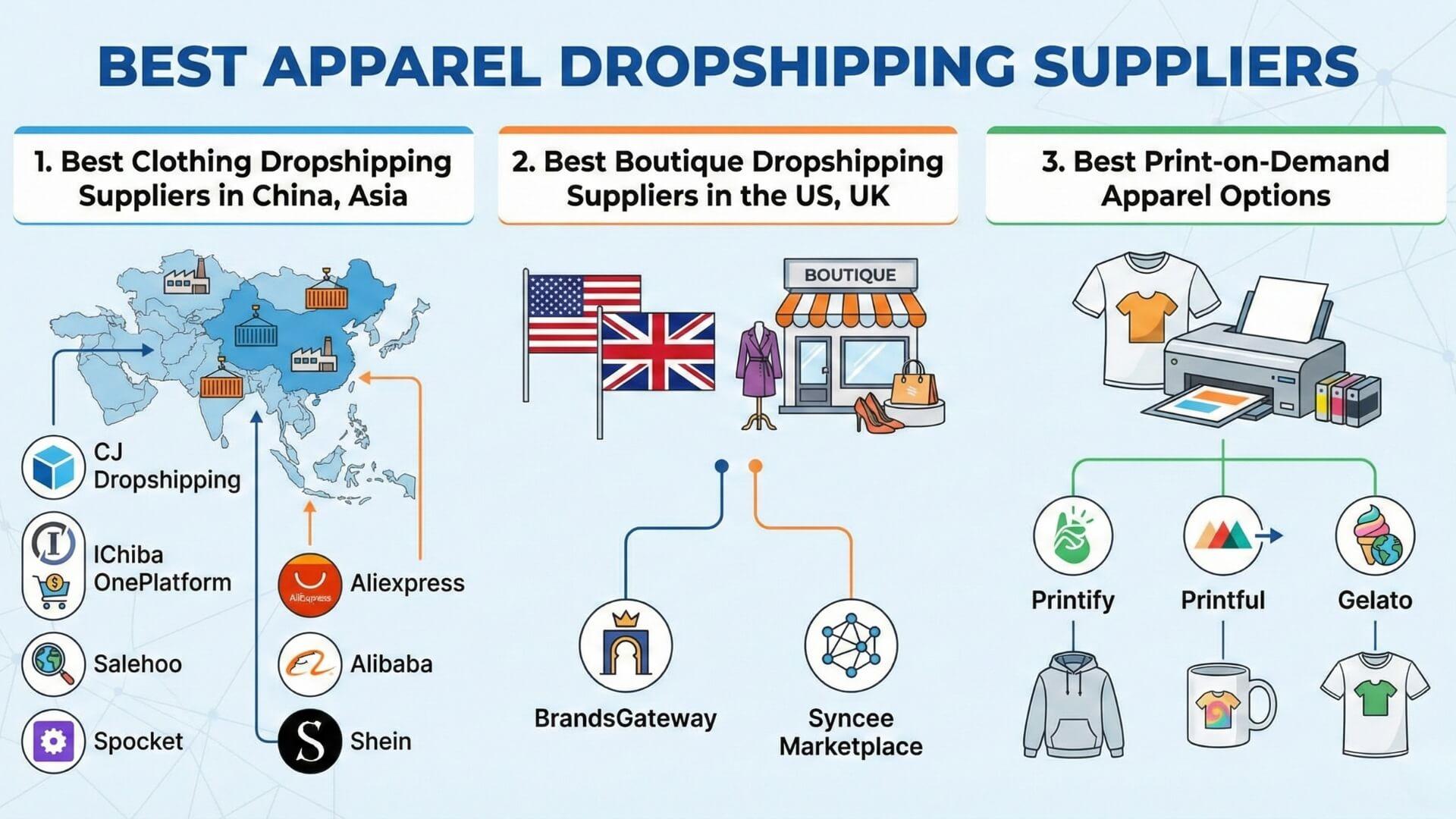
CJ Dropshipping is a popular choice for sellers sourcing apparel from China and Asia. The platform offers a wide catalog of clothing products, including women’s fashion, men’s basics, and seasonal trend items. Sellers benefit from integrated order processing and basic white-label packaging options.
CJ is best suited for stores running high-volume product testing and paid advertising. However, apparel sellers should carefully monitor size charts and fabric consistency, as products may come from different factories under the same listing. Shipping speed varies depending on warehouse location, making CJ more suitable for testing than long-term brand building.
IChiba OnePlatform is designed for sellers who want greater control over apparel dropshipping operations while scaling beyond the testing phase. Instead of functioning purely as an open marketplace, IChiba focuses on connecting sellers with vetted suppliers and managing fulfillment workflows more systematically.
For apparel dropshipping, Ichiba stands out in several key areas. The platform emphasizes SKU stability, which helps reduce issues caused by silent product changes or inconsistent materials. This is especially important for clothing, where small variations in fabric or sizing can lead to high return rates.
IChiba OnePlatform also supports multi-supplier coordination, allowing sellers to manage inventory availability and fulfillment performance across different regions. This makes it easier to balance cost and delivery speed, particularly for stores selling to the US and international markets. Apparel sellers benefit from clearer communication on lead times, packaging standards, and restock cycles.
Another advantage is its compatibility with brand-focused models. IChiba supports neutral packaging and customization options that align well with boutique and private label apparel strategies. For sellers transitioning from generic dropshipping to a more structured fashion business, IChiba offers a scalable middle ground between mass marketplaces and fully custom manufacturing.
SaleHoo operates primarily as a supplier directory rather than a full fulfillment platform. It provides access to verified apparel dropship suppliers and wholesale fashion partners across multiple regions. This approach is useful for sellers who prefer to build direct relationships with suppliers instead of relying on centralized marketplaces.
For apparel dropshipping, SaleHoo works best for sellers who already understand sourcing fundamentals and want more control over pricing, quality negotiation, and long-term supplier agreements. The downside is that fulfillment, quality checks, and logistics coordination require more hands-on management.
Spocket connects sellers with best clothing dropshipping suppliers based mainly in the US and Europe. Faster shipping times and higher perceived product quality make it appealing for stores targeting customers who expect domestic fulfillment.
The platform integrates well with Shopify and WooCommerce and offers a cleaner supplier experience compared to open marketplaces. However, apparel selection is more limited, and product pricing is higher. Spocket is better suited for boutique stores with smaller catalogs rather than large-scale apparel testing operations.
AliExpress remains one of the most accessible platforms for apparel dropshipping beginners. Its massive product variety allows sellers to test different styles, price points, and trends with minimal upfront cost.
Despite its flexibility, AliExpress requires careful supplier screening. Inconsistent sizing, variable fabric quality, and long shipping times are common challenges. For apparel sellers, AliExpress is best used for early-stage validation rather than sustained scaling.
Alibaba is more suitable for sellers interested in wholesale fashion dropshipping or private label apparel. Many suppliers on Alibaba operate as manufacturers or large wholesalers, which allows for better pricing at higher order volumes.
While not a traditional dropshipping platform, Alibaba enables sellers to negotiate custom production, consistent materials, and branded packaging. Apparel sellers using Alibaba often transition into bulk fulfillment or hybrid dropshipping models once they identify winning products.
Shein is widely known for trend leadership in fast fashion, but it is not designed as a traditional apparel dropshipping supplier. Most sellers use Shein as a trend research source rather than a fulfillment partner.
Branding control, consistent dropship support, and supplier transparency are limited. As a result, Shein is better viewed as an inspiration for product selection rather than a reliable dropship supplier.
BrandsGateway focuses on premium and luxury fashion dropshipping, offering authenticated branded apparel with EU fulfillment. This platform targets sellers positioning themselves in the high-end market where brand value and trust matter more than low pricing.
Higher product costs are offset by faster delivery, lower return rates, and stronger customer trust. BrandsGateway works best for stores with refined branding and higher average order values.
Syncee Marketplace connects sellers with boutique brands and independent designers primarily in the US, UK, and Europe. It supports curated collections and allows sellers to avoid direct price competition common in mass market apparel.
For boutique dropshipping suppliers, Syncee provides better differentiation and storytelling potential. The platform is ideal for niche fashion brands that prioritize aesthetics, brand identity, and repeat customers over aggressive scaling.
Printify is a leading print-on-demand apparel platform offering access to multiple print providers worldwide. Sellers can choose production locations based on target markets, helping reduce shipping times and costs.
This flexibility makes Printify suitable for testing different apparel designs and scaling winners quickly. Quality can vary by provider, so sample testing is essential for stores.
Printful is known for consistent print quality, strong branding features, and reliable fulfillment. It supports custom labels, packaging inserts, and high-quality product blanks, making it a strong choice for apparel dropshippers.
Pricing is higher compared to some alternatives, but the reduction in quality-related returns often justifies the cost for established brands.
Gelato operates a global network of local print facilities, enabling fast fulfillment across multiple regions. This reduces cross-border shipping delays and improves delivery reliability for international apparel brands.
Gelato is best suited for sellers targeting multiple markets simultaneously while maintaining consistent product quality. It supports a scalable print-on-demand apparel model with lower logistics complexity.
Not all apparel dropshipping stores scale in the same way. The business model you choose directly impacts supplier selection, marketing strategy, and long-term profitability. Understanding the most common apparel dropshipping models helps sellers avoid mismatches between products, suppliers, and customer expectations.
The general apparel store model focuses on offering a broad catalog of clothing across multiple styles and categories. These stores typically sell women’s fashion, men’s basics, seasonal items, and trending designs under one brand. The main objective is volume growth through continuous product testing.
This model relies heavily on paid advertising and fast iteration. Sellers launch multiple products, analyze performance, and scale the winners quickly. Wholesale fashion dropshippers and large apparel suppliers work well here due to their wide selection and competitive pricing.
However, this approach comes with higher operational risk. Quality issues, sizing inconsistencies, and product overlap with competitors are common. To succeed, sellers must closely monitor return rates, supplier performance, and customer feedback while constantly refreshing the catalog.
The boutique dropshipping model centers on curated collections designed for a specific audience or style. Instead of selling everything, these stores focus on a clear theme such as minimalist womenswear, streetwear, or eco-inspired fashion. Branding and storytelling play a major role in driving conversions.
Boutique dropshipping suppliers are better suited for this model because they offer smaller batch production, more unique designs, and higher perceived value. Although product costs are higher, boutique stores often achieve stronger conversion rates and better customer loyalty.
Marketing for boutique apparel relies more on organic traffic, social proof, and content-driven channels rather than aggressive ad testing. This model scales more slowly but tends to be more sustainable with lower return rates and a stronger brand identity.
The brand-first model prioritizes originality and long-term customer relationships. Sellers create custom designs or private-label apparel rather than reselling generic products. Print-on-demand apparel platforms make this approach accessible without upfront inventory investment.
This model reduces competition and price sensitivity because products are unique to the brand. Repeat purchases become more common, and return risks related to sizing are easier to manage through standardized blanks and clear fit guides.
Brand-first apparel dropshipping requires stronger creative direction and audience understanding. While initial growth may be slower, the long-term value of customer retention and brand equity often outweighs the limitations of lower testing volume.
Scaling apparel dropshipping without a structured testing process often leads to rising return rates, supplier disputes, and unstable profit margins. Because clothing products involve fit, fabric, and fulfillment variables, sellers need a more disciplined approach before increasing ad spend or expanding catalogs.
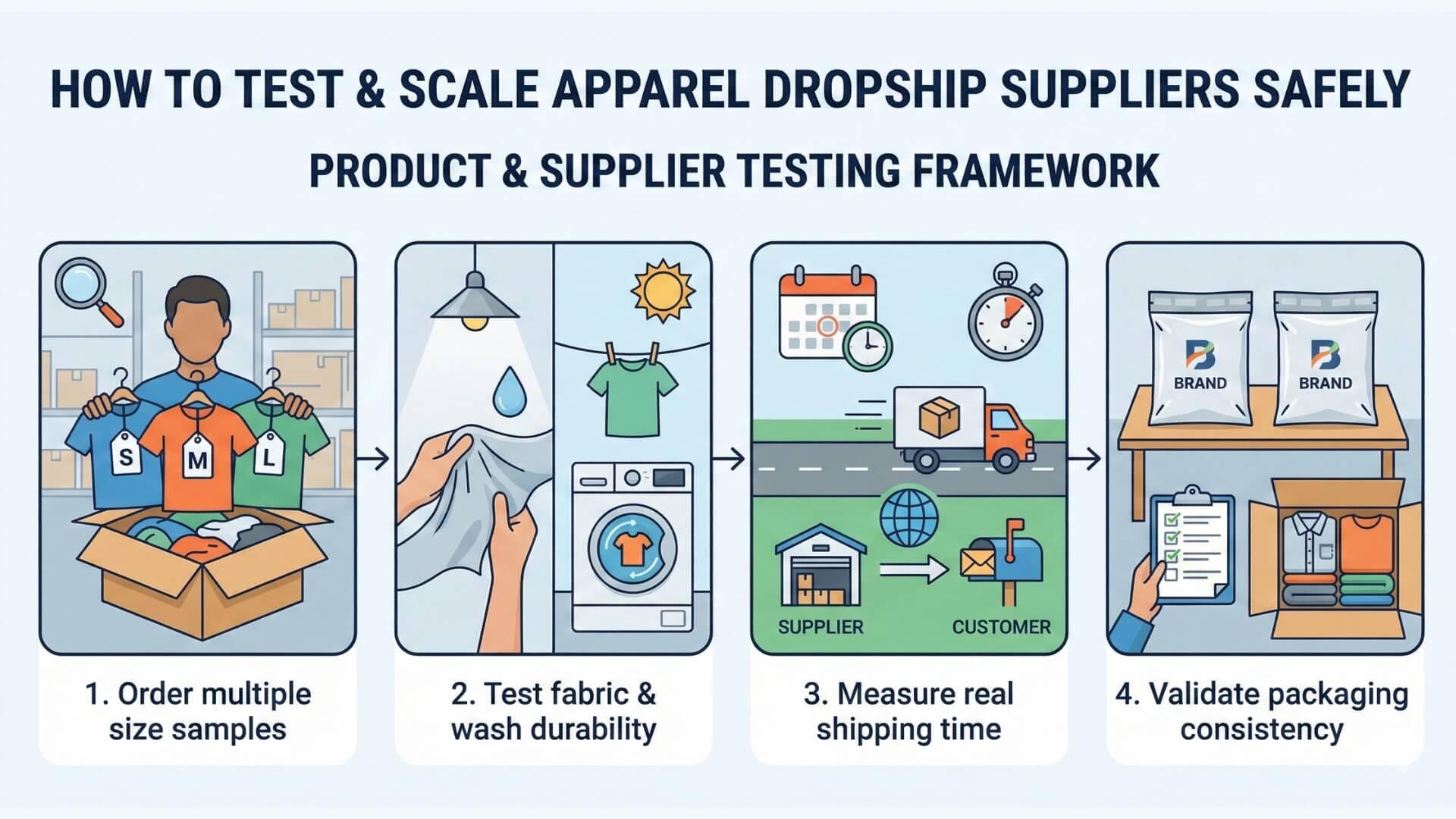
Order multiple size samples
Before committing to any apparel dropship supplier, sellers should order multiple samples across different sizes and color variants. Testing only one sample rarely reflects the real customer experience. Comparing how each size fits and how colors differ helps identify inconsistencies early.
Test fabric & wash durability
Fabric quality should be tested beyond first impressions. Washing and wearing samples multiple times reveals shrinkage, color bleeding, and durability issues that may not be visible at first. These tests are critical for activewear and everyday apparel, where comfort and longevity matter.
Measure real shipping time
Shipping performance must also be measured in real conditions. Sellers should track actual processing time, transit duration, and delivery reliability across multiple orders.
Validate packaging consistency
Packaging consistency is equally important, especially for brand-focused stores. Neutral or branded packaging should remain consistent across shipments to avoid customer confusion.
Once a supplier is live, performance tracking becomes essential. Return rate is the most critical metric, particularly size-related returns. A rising return rate usually indicates sizing inaccuracies, misleading product descriptions, or quality inconsistencies.
Customer complaints related to fit, fabric, and color should be reviewed regularly rather than treated as isolated issues. Delivery time is another key indicator, as delays often correlate with refund requests and negative reviews.
Repeat purchase rate provides insight into long-term product satisfaction and brand trust. Apparel products that generate repeat customers are often more valuable than high-volume one-time sellers. By monitoring these KPIs consistently, apparel dropshippers can scale with confidence while minimizing risk.
What are the best apparel dropshipping suppliers?
The best apparel dropshipping suppliers depend on your business model and target market. Platform suppliers such as CJ Dropshipping and Ichiba OnePlatform work well for sellers who need product variety and scalable fulfillment. Boutique dropshipping suppliers like BrandsGateway and Syncee Marketplace are better suited for niche or brand stores, while print-on-demand platforms such as Printify and Printful support custom apparel strategies.
Is apparel dropshipping profitable in 2026?
Apparel dropshipping can still be profitable in 2026, but success depends on supplier reliability, branding, and return management. Sellers who focus on quality control, realistic sizing information, and predictable shipping times tend to maintain healthier margins than those competing only on price.
What is the best boutique dropshipping supplier?
There is no single best boutique dropshipping supplier for every store. BrandsGateway is a strong option for premium and luxury fashion, while Syncee Marketplace is suitable for curated collections and independent brands. The right choice depends on your audience, price positioning, and branding goals.
How do I reduce returns in apparel dropshipping?
Reducing returns starts with accurate size charts, detailed fabric descriptions, and realistic product photos. Ordering samples, testing multiple sizes, and setting clear customer expectations all help lower return rates. Working with apparel dropship suppliers that maintain consistent sizing and materials is equally important.
Are wholesale fashion dropshippers reliable?
Wholesale fashion dropshippers can be reliable when properly vetted. Sellers should evaluate size consistency, fabric quality, SKU stability, and fulfillment performance before scaling. Long-term reliability usually comes from building relationships with a smaller number of trusted suppliers rather than constantly switching platforms.
Apparel dropshipping remains one of the most attractive yet demanding niches in ecommerce. Choosing the right apparel dropshipping suppliers is not about finding the lowest price or the largest catalog. It is about alignment between your business model, target market, and operational capabilities.
As competition continues to intensify in 2026, successful apparel dropshippers are shifting toward more structured sourcing, deeper supplier testing, and stronger brand positioning. Sellers who invest time in evaluating suppliers, tracking the right KPIs, and setting realistic customer expectations are far more likely to build sustainable apparel businesses that scale without constant firefighting.
By applying the frameworks and insights outlined in this guide, dropshipping sellers can move beyond trial and error and make informed decisions about apparel sourcing. With the right suppliers in place, apparel dropshipping can evolve from a risky experiment into a long-term, defensible ecommerce business.

Work with us
Our solutions
Address:
 〒136-0082, Japan, Tokyo, Koto-ku, Shinkiba 3-5-6, 5F
Connect us:


Japan
〒136-0082, Japan, Tokyo, Koto-ku, Shinkiba 3-5-6, 5F
Texas, USA
1606 Audrey Dr, Garland, TX 75040, United States
California, USA
1316 John Reed Ct, City of Industry, CA 91745, United States