

News
Ichiba OnePlatform Team - 26/05/2026
In this article
Choosing the right dropshipping tool can make or break your success, especially if you're targeting the highly competitive US market. With customer expectations rising and delivery standards getting stricter, sellers need more than just a good product. They need reliable platforms, smart automation, and powerful inventory management to keep up.
Today’s best dropshipping platforms, websites, and software help you streamline operations from end to end: syncing inventory in real time, automating order routing, integrating with top marketplaces, and connecting you with trustworthy suppliers. Whether you're just starting or scaling your store, selecting the right tool is essential for building a sustainable and profitable US-focused dropshipping business.
This guide breaks down the most important features to look for and highlights the top dropshipping solutions to help you sell smarter, not harder.
A dropshipping tool is any platform, software, or program designed to simplify and automate the daily operations of a dropshipping business. Instead of manually checking supplier stock, updating product listings, or processing orders one by one, sellers can use these tools to manage everything from a centralized dashboard.
In the context of selling to the US market, where speed, accuracy, and consistency matter, dropshipping tools play an even more critical role. They help sync inventory in real time, connect with reputable suppliers, streamline order fulfillment, and ensure customers receive fast, reliable delivery.
Dropshipping tools come in several forms:
Dropshipping platforms that offer all-in-one solutions for sourcing, listing, and fulfillment.
Dropshipping websites that connect sellers with suppliers or product catalogs.
Dropshipping software and programs that handle automation, inventory tracking, and multi-channel integration.
Whether you’re looking for the best dropshipping software, best dropshipping programs, or the best drop shipping website, understanding this ecosystem is the first step toward choosing the right solution for your business.
Not all dropshipping tools are built the same, and when you're targeting the US market, the differences become even more important. The right tool should streamline your operations, reduce manual work, and support long-term growth. Below are the essential features to look for when evaluating any dropshipping platform, website, or software.
1. Real-Time Inventory Management
Effective drop shipping inventory management is the backbone of a successful store. A good dropshipping tool should automatically sync stock levels from your suppliers, prevent overselling, and alert you when items are low. This ensures accuracy and keeps your US customers satisfied with reliable order fulfillment.
2. Automated Order Processing
Automation saves time and eliminates human error. The best dropshipping tools can route orders to the correct supplier, generate invoices, update tracking numbers, and push shipping details back to your sales channels, without requiring your daily intervention.
3. Access to Verified and Fast Suppliers
Since US buyers expect quick delivery, your tool should connect you with suppliers that can ship quickly to the US. Some platforms even offer pre-vetted suppliers, allowing you to filter by shipping location, product category, or processing time.
4. Marketplace and Store Integrations
Your dropshipping software should integrate seamlessly with major platforms like Shopify, WooCommerce, eBay, Etsy, Amazon, and TikTok Shop. These integrations ensure your listings, prices, orders, and inventory remain fully synchronized.
5. Robust Analytics and Reporting
Data-driven decisions are crucial. Look for tools that offer insights into product performance, conversion rates, profit margins, and best-selling SKUs. Clear reporting helps you identify winning products and optimize your store for higher revenue.
6. Scalability and Ease of Use
As your store grows, your needs will evolve. The best dropshipping programs are those that scale with you, offering advanced automation, batch processing, and flexible pricing plans. At the same time, the interface should be intuitive enough for beginners while powerful enough for experienced sellers.
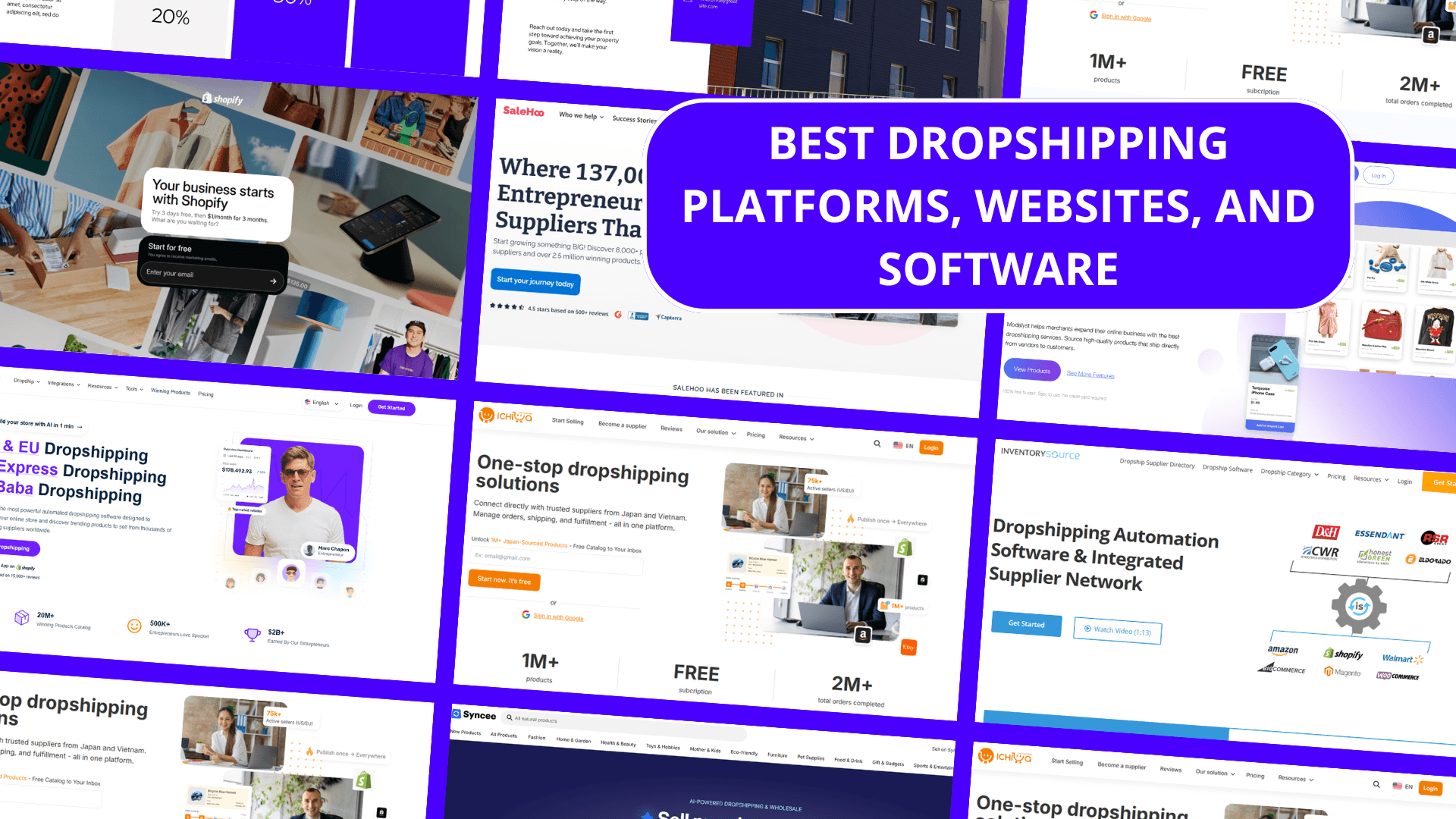
With so many tools available, choosing the right dropshipping solution can be overwhelming, especially if you're targeting the fast-moving US market. Below are some of the best dropshipping platforms, websites, and software that help sellers automate operations, manage inventory, and access reliable suppliers.
Shopify + DSers
Shopify remains one of the most popular choices for US-focused sellers thanks to its reliability, speed, and vast ecosystem of apps. Paired with DSers (the official replacement for Oberlo), the platform allows you to quickly import products, automate order fulfillment, and track inventory across multiple suppliers. DSers' bulk ordering capabilities and smart supplier mapping make it one of the best dropshipping programs for scaling stores efficiently.
Spocket
Spocket stands out for its emphasis on US and EU suppliers, making it ideal for sellers who want fast shipping and higher product quality. The platform offers real-time inventory syncing, branded invoicing, and a curated supplier list. For anyone looking for the best drop shipping website or best websites for drop shipping with local fulfillment options, Spocket is a top contender.
Ichiba
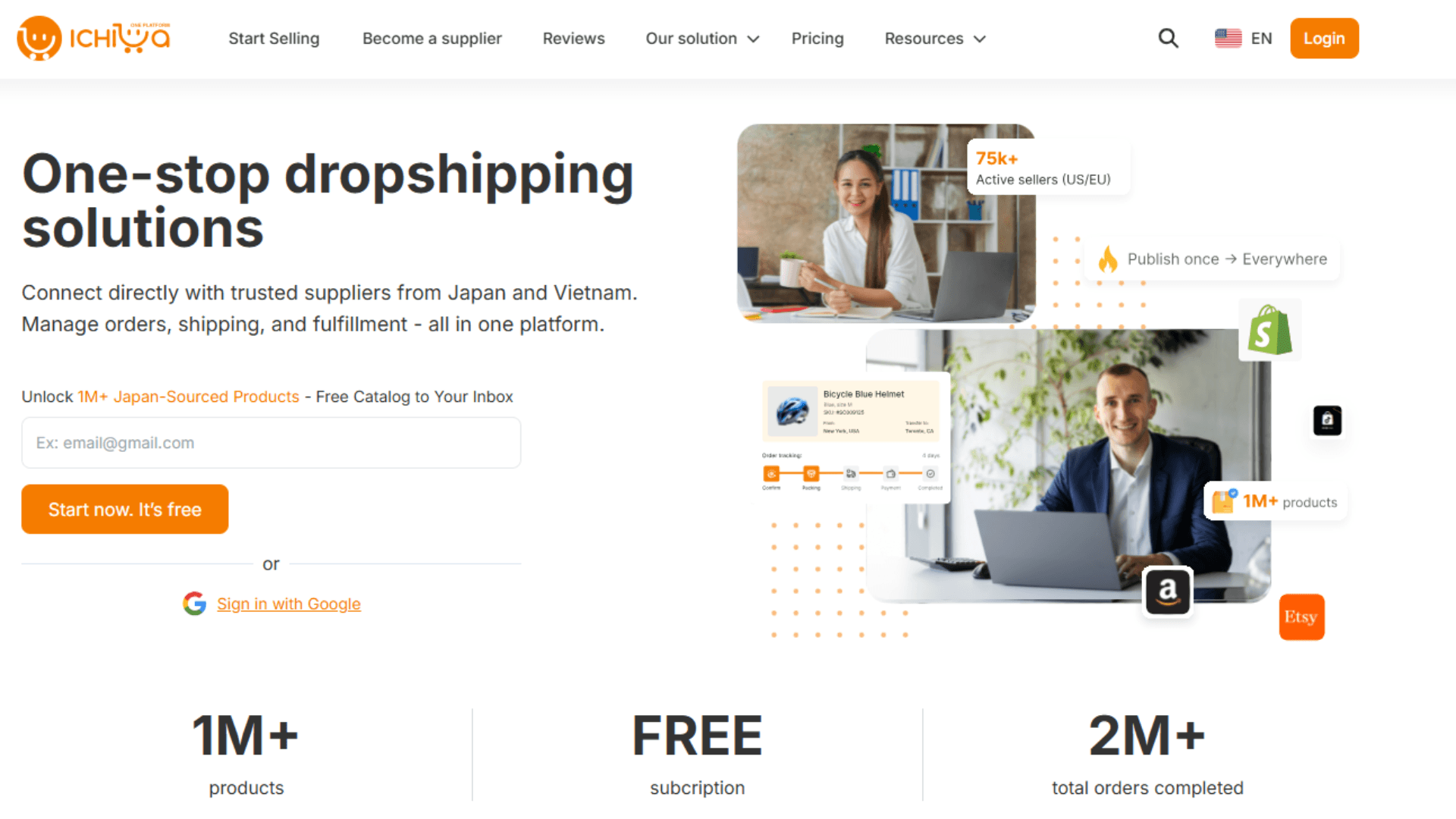
Ichiba is a rising platform that connects sellers with trusted suppliers in Vietnam and Japan while supporting fulfillment directly for US-based customers. It offers product sourcing, automated order syncing, and seamless integration with major eCommerce platforms. For sellers looking for a reliable, scalable solution that bridges Asian suppliers with US buyers, Ichiba provides a unique advantage, especially for niche categories like crafts, cosmetics, and lifestyle products.
Inventory Source
For sellers who prioritize automation and inventory accuracy, Inventory Source is one of the best software solutions for dropshipping. It fully automates product uploads, inventory updates, and order routing. The platform integrates with hundreds of US suppliers and supports multi-channel selling, making it powerful for merchants managing large catalogs.
SaleHoo
SaleHoo is both a supplier directory and a research tool. With thousands of verified suppliers and a strong focus on product data, it helps sellers find profitable niches and trustworthy partners. It’s especially useful for beginners who need guidance on sourcing and market validation.
Syncee
Syncee offers a large marketplace of global suppliers and an easy-to-use interface for importing products, updating prices, and syncing inventory. Its strong automation features, combined with integration across major eCommerce platforms, make it one of the best dropshipping software options for both small stores and growing brands.
Modalyst
Known for its curated catalog and high-quality suppliers, Modalyst is a great choice for sellers who want unique, trend-driven products. Their focus on reliable shipping to the US and detailed product data makes it a solid platform for building a premium dropshipping brand.
Selecting the right dropshipping tool is ultimately about finding a solution that aligns with your store’s goals, product strategy, and operational needs. The US market is highly competitive, with buyers expecting fast shipping, accurate tracking, and responsive service, so your tool needs to help you meet those expectations consistently. Below are the key considerations to guide your decision.
1. Supplier Network and US Shipping Speed
The suppliers you connect with can determine the success of your business. Look for platforms that offer fast fulfillment to the US, whether through domestic suppliers or optimized international shipping. Some tools even allow filtering by warehouse location, processing time, or shipping carriers. A platform with a strong, reliable supplier network reduces delays and improves your store’s overall customer experience.
2. Automation and Workflow Efficiency
Automation is essential if you want to scale without being overwhelmed. Choose a tool that can handle repetitive tasks such as inventory syncing, price updates, order routing, and tracking number uploads. The more automated your workflow, the more time you can spend optimizing marketing, expanding your product line, and improving customer service.
3. Seamless Integrations With Your Sales Channels
Your dropshipping software should work smoothly with the platforms where you sell, whether it’s Shopify, WooCommerce, Amazon, eBay, Etsy, or TikTok Shop. Strong integrations ensure that product listings, order status, and inventory levels stay consistent across all channels. This helps reduce errors and prevents overselling, which is especially critical when serving US customers with high expectations.
4. Pricing, Value, and Scalability
Different tools come with different pricing structures; some charge monthly fees, some take commissions, and others offer tiered plans based on catalog size or automation features. Consider a tool that fits your current budget but also offers room to grow. As your business expands, you’ll need more advanced features, integrations, and support. The best dropshipping platforms are those that scale with you, not limit you.
5. Ease of Use and Learning Curve
The tool you choose should be intuitive enough to set up quickly yet powerful enough to handle complex operations. A clean interface, clear workflows, and responsive customer support can significantly reduce setup time and help you avoid costly mistakes. For many US-focused sellers, choosing an easy-to-use platform is the difference between fast scaling and operational chaos.
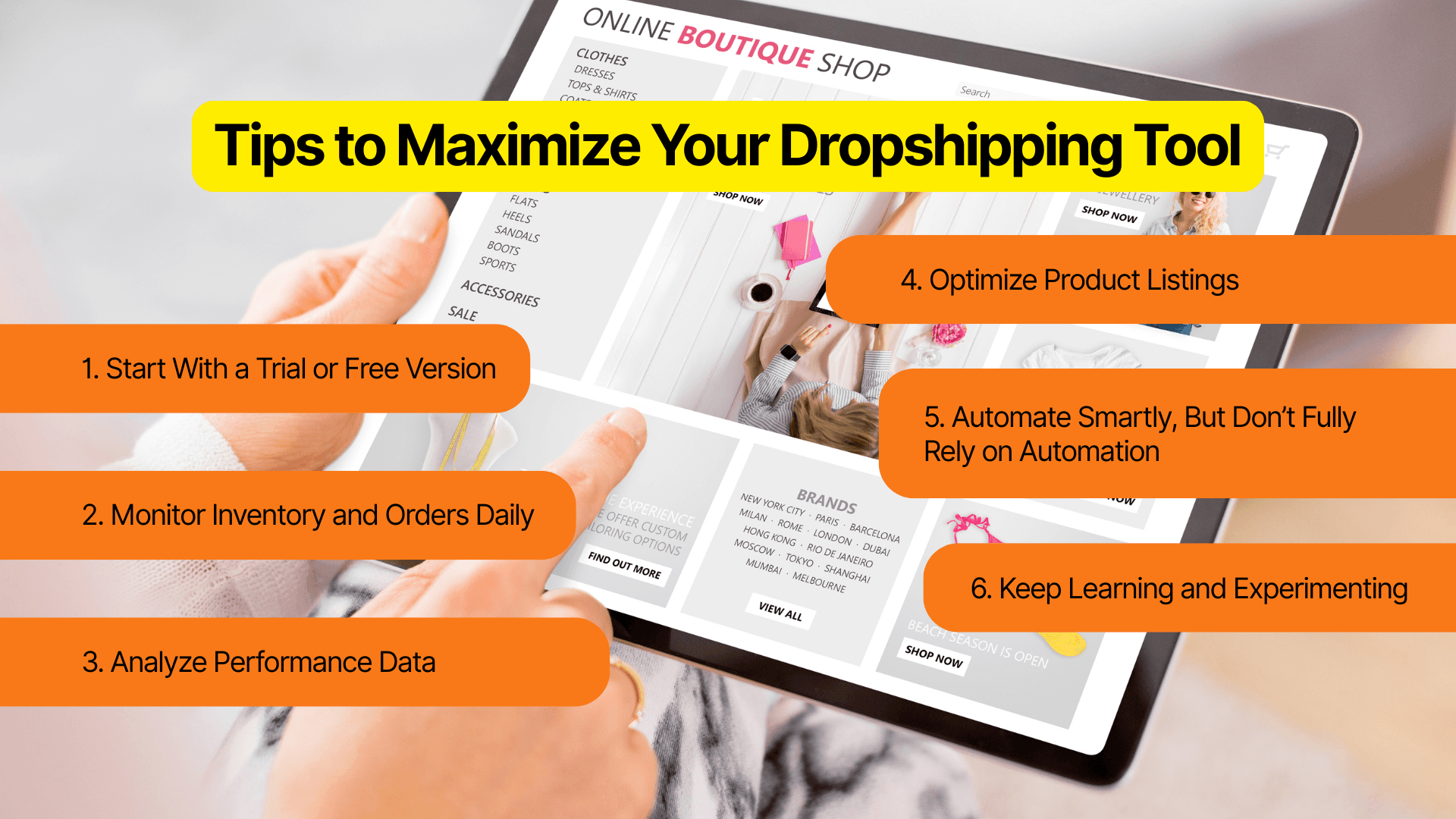
Even the best dropshipping tool can’t guarantee success on its own. To fully leverage its features and achieve growth in the competitive US market, sellers need to implement strategies that optimize every aspect of their workflow. Here are some actionable tips:
1. Start With a Trial or Free Version
Before committing to a paid plan, explore trial versions or free tiers of the tools you’re considering. This allows you to test features such as inventory syncing, order automation, and marketplace integration. You’ll gain a hands-on understanding of how the platform fits your workflow without risking money upfront.
2. Monitor Inventory and Orders Daily
Even with automation, it’s crucial to regularly check stock levels and order status. Use your tool’s dashboard to identify potential stock shortages, delayed shipments, or pricing mismatches. Staying proactive helps prevent overselling and keeps your US customers satisfied.
3. Analyze Performance Data
Take advantage of the reporting and analytics features. Track which products sell fastest, which suppliers are most reliable, and which marketing campaigns generate the best ROI. Using data-driven insights allows you to focus on winning products and adjust strategies that aren’t performing.
4. Optimize Product Listings
Leverage your tool to update product descriptions, images, and pricing consistently across all sales channels. High-quality listings improve conversions, reduce returns, and strengthen your brand reputation in the US market. Some tools even allow bulk updates, saving time for sellers with large catalogs.
5. Automate Smartly, But Don’t Fully Rely on Automation
While automation streamlines operations, human oversight remains important. Double-check orders, customer messages, and supplier updates to ensure errors are caught early. A combination of automation and active management leads to the best results.
6. Keep Learning and Experimenting
The US dropshipping market evolves quickly, with trends and consumer preferences changing constantly. Use your tool to test new products, track seasonal demand, and experiment with pricing strategies. Continual learning and optimization are key to long-term growth.
Choosing the right dropshipping tool is essential for sellers looking to succeed in the competitive US market. The best platforms, websites, and software help you streamline inventory management, automate orders, connect with reliable suppliers, and gain valuable insights into product performance. By carefully evaluating features such as automation, supplier networks, integrations, and scalability, you can select a tool that not only meets your current needs but also supports long-term growth.
Remember, a powerful dropshipping tool is just one part of the equation; success also depends on actively monitoring inventory, analyzing data, optimizing listings, and staying adaptable to market trends. Take the time to test different solutions, implement best practices, and leverage your tool to its fullest potential. With the right setup, you can build a US-focused dropshipping business that runs efficiently, scales smoothly, and keeps customers coming back.

Work with us
Our solutions
Address:
 〒136-0082, Japan, Tokyo, Koto-ku, Shinkiba 3-5-6, 5F
Connect us:


Japan
〒136-0082, Japan, Tokyo, Koto-ku, Shinkiba 3-5-6, 5F
Texas, USA
1606 Audrey Dr, Garland, TX 75040, United States
California, USA
1316 John Reed Ct, City of Industry, CA 91745, United States