

News
Ichiba OnePlatform Team - 20/05/2026
In this article
As global consumers continue searching for products that feel more authentic, premium, and culturally unique, the market for dropshipping Japanese products has become one of the most promising opportunities in ecommerce. This growing demand has created a profitable space for entrepreneurs who want to build a store that stands out from the crowded low-cost dropshipping market.
Unlike mass-produced products commonly found on large international marketplaces, Japanese products dropshipping allows sellers to position their stores around storytelling, craftsmanship, and exclusivity. Customers are not only purchasing an item, but also buying into the culture and experience associated with Japan.
At the same time, dropshipping from Japan comes with its own operational challenges, including supplier communication, international shipping costs, and limited access to domestic Japanese marketplaces. Without the right sourcing strategy and fulfillment setup, beginners may struggle to scale efficiently. Understanding how Japanese suppliers, proxy services, and global shipping networks work together is essential for building a sustainable business in this niche.
As ecommerce becomes increasingly saturated with generic products, many online sellers are looking for niches that offer stronger branding opportunities and better profit margins. Japanese products are widely associated with premium quality, thoughtful design, and cultural uniqueness, allowing sellers to position their stores in a much more differentiated way compared to traditional low-cost dropshipping models.
Japanese products continue to attract global audiences because they combine functionality, aesthetics, and cultural appeal in a way that few markets can replicate. Consumers often perceive Japanese brands as more reliable and detail-oriented, especially in categories related to beauty, lifestyle, and collectibles. This strong brand perception allows sellers to market products at premium prices while maintaining customer trust.
Anime has evolved from a niche hobby into a massive global entertainment industry. Fans actively search for authentic figures, manga merchandise, apparel, posters, and limited edition collectibles imported directly from Japan. Because collectors value exclusivity and authenticity, sellers can often achieve higher margins than with standard ecommerce products.
J Beauty products are known for their gentle ingredients, minimalist formulations, and long-term skincare philosophy. International consumers are increasingly interested in Japanese sunscreens, cleansers, sheet masks, and anti-aging products because of their reputation for quality and innovation. This category performs especially well on social media platforms where beauty trends spread quickly.
Japanese kitchen knives, ceramic dishes, bento accessories, and minimalist home decor products appeal strongly to consumers who appreciate craftsmanship and functional design. Many buyers are willing to pay premium prices for products that reflect Japanese aesthetics and durability.
Compared to traditional China dropshipping, Japanese product sourcing offers several competitive advantages that can help stores stand out in crowded ecommerce markets.
Japanese products are often positioned as premium items rather than budget alternatives. Customers generally expect higher prices and are more willing to pay for perceived authenticity, quality, and craftsmanship. This creates healthier profit margins for store owners.
Many ecommerce sellers focus on trending products from large global marketplaces, resulting in highly saturated competition. In contrast, dropshipping Japanese products remains relatively underserved because supplier access and logistics are more complex. Sellers who successfully enter the niche can often build stronger brand differentiation.
One of the biggest strengths of Japanese ecommerce products is the ability to build compelling brand stories around culture, craftsmanship, tradition, and design philosophy. Storytelling can significantly improve conversion rates because customers feel emotionally connected to the products they purchase.
Although the niche offers strong opportunities, there are also operational challenges that sellers should understand before starting.
Japanese products are generally more expensive than mass produced alternatives from other regions. International shipping costs can also be higher, especially for heavier or fragile items. Sellers must price products carefully to maintain profitability.
Depending on the fulfillment method, shipping from Japan to international markets may take longer than domestic fulfillment solutions. Customers should receive clear delivery expectations to reduce complaints and refund requests.
Many Japanese suppliers primarily serve domestic buyers and may not provide English support or direct international shipping. As a result, sellers often rely on proxy buying services or specialized fulfillment partners to manage sourcing and logistics efficiently.
Choosing the right products is one of the most important factors when building a successful store focused on dropshipping Japanese products. Unlike highly saturated ecommerce categories where sellers compete mainly on price, Japanese products often perform better when they are positioned around uniqueness, authenticity, and lifestyle appeal. Customers are typically willing to spend more when products feel exclusive or culturally connected to Japan.
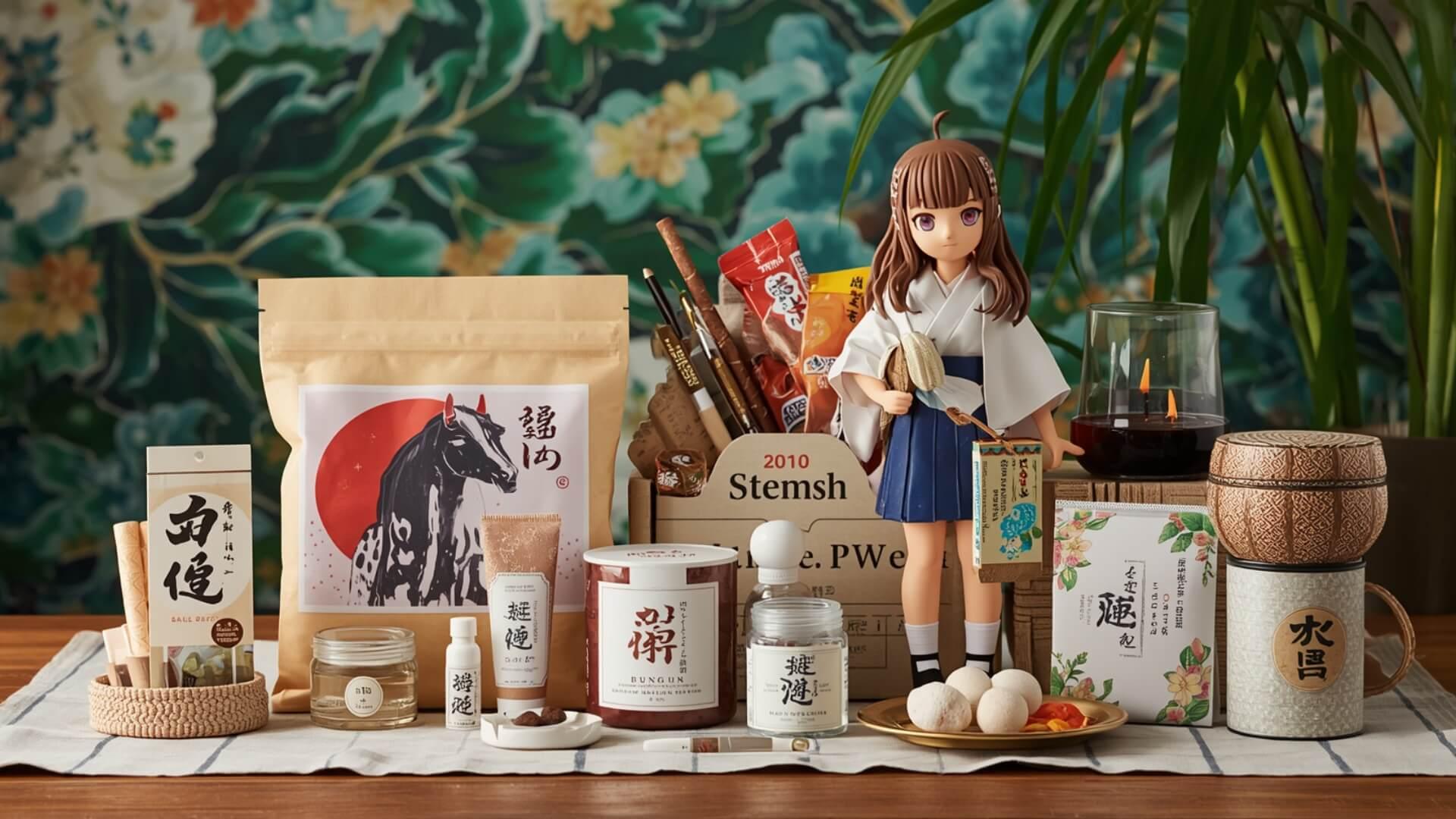
Several categories consistently perform well in Japanese products dropshipping because they already have strong international demand and high customer engagement.
Anime merchandise remains one of the largest opportunities in Japanese ecommerce. Fans around the world actively purchase action figures, trading cards, plush toys, posters, manga accessories, and limited edition collectibles from popular franchises. Because collectors often seek officially licensed products, authenticity becomes a major selling point that helps stores charge premium prices.
This category works especially well for content marketing on TikTok, YouTube Shorts, and Instagram Reels, where unboxing videos and collection showcases generate strong engagement.
Japanese skincare products have developed a loyal global customer base thanks to their reputation for quality ingredients and minimalist formulations. Cleansing oils, sunscreens, serums, facial masks, and hair care products are among the most popular items in this category.
Compared to trend-driven beauty products, many J Beauty products focus on long term skincare routines, which creates strong repeat purchase potential for ecommerce stores.
Japan is well known for premium stationery and thoughtfully designed lifestyle products. Items such as planners, pens, stickers, desk accessories, tote bags, and organization tools appeal strongly to students, remote workers, and productivity-focused consumers.
These products are also highly suitable for bundle offers because customers often purchase multiple complementary items together.
Traditional Japanese crafts attract customers who value handmade artistry and cultural authenticity. Ceramic tea sets, handcrafted chopsticks, textiles, incense holders, and decorative items can help stores build a premium brand identity.
Although this niche may have lower sales volume compared to anime products, average order values are often significantly higher.
Japanese snacks remain extremely popular because many products are unavailable in local markets outside Japan. Mystery snack boxes, seasonal candy assortments, and regional specialty foods create a sense of excitement and exclusivity.
Subscription models perform particularly well in this category because customers enjoy discovering new products regularly.
Japanese tea products such as matcha, sencha, hojicha, and ceremonial tea sets continue gaining popularity worldwide. Many consumers associate Japanese tea culture with wellness, mindfulness, and premium quality, making it a strong niche for branding and storytelling.
Tea also works well alongside complementary products such as cups, teapots, bamboo accessories, and snack pairings.
As consumer preferences continue evolving, several Japanese product trends are expected to perform particularly well in 2026.
Collectors increasingly seek rare and exclusive products connected to newly released anime series, gaming collaborations, and seasonal events. Limited availability creates urgency and encourages impulse purchases among fans.
Sustainability continues to influence consumer buying behavior worldwide. Eco-friendly Japanese products, such as reusable kitchenware, organic textiles, bamboo accessories, and low-waste lifestyle products, are attracting growing demand among environmentally conscious shoppers.
Japanese interior design remains highly popular thanks to trends such as Japandi and minimalist living. Products like soft lighting, wooden decor pieces, neutral-toned storage solutions, and compact home accessories fit perfectly within this aesthetic-driven market.
While many Japanese products offer strong business potential, some categories may create unnecessary operational or legal risks for beginners.
Certain food items, supplements, cosmetics, and health products may face import restrictions or require regulatory approvals depending on the destination country. Sellers should always verify local regulations before listing these products internationally.
Ceramics, glassware, and delicate collectibles can generate high return rates if suppliers do not provide reliable protective packaging. Damaged shipments can quickly reduce profitability and hurt customer trust.
Counterfeit anime merchandise is a serious issue in the global market. Selling unofficial or unlicensed products can lead to copyright violations, payment gateway issues, and reputational damage. Working only with verified suppliers and authentic product sources is essential for long-term business growth.
Finding reliable suppliers is one of the biggest challenges when starting a business focused on dropshipping Japanese products. Unlike Chinese marketplaces that are built specifically for international ecommerce sellers, many Japanese platforms primarily serve domestic customers. This means international entrepreneurs often face language barriers, payment restrictions, and limited global shipping support when trying to source products directly from Japan.
However, sellers who understand how the Japanese supplier ecosystem works can gain access to unique products with far less competition than traditional dropshipping markets. By combining domestic marketplaces, wholesale platforms, and proxy buying services, ecommerce businesses can build a stable sourcing network for long-term growth.
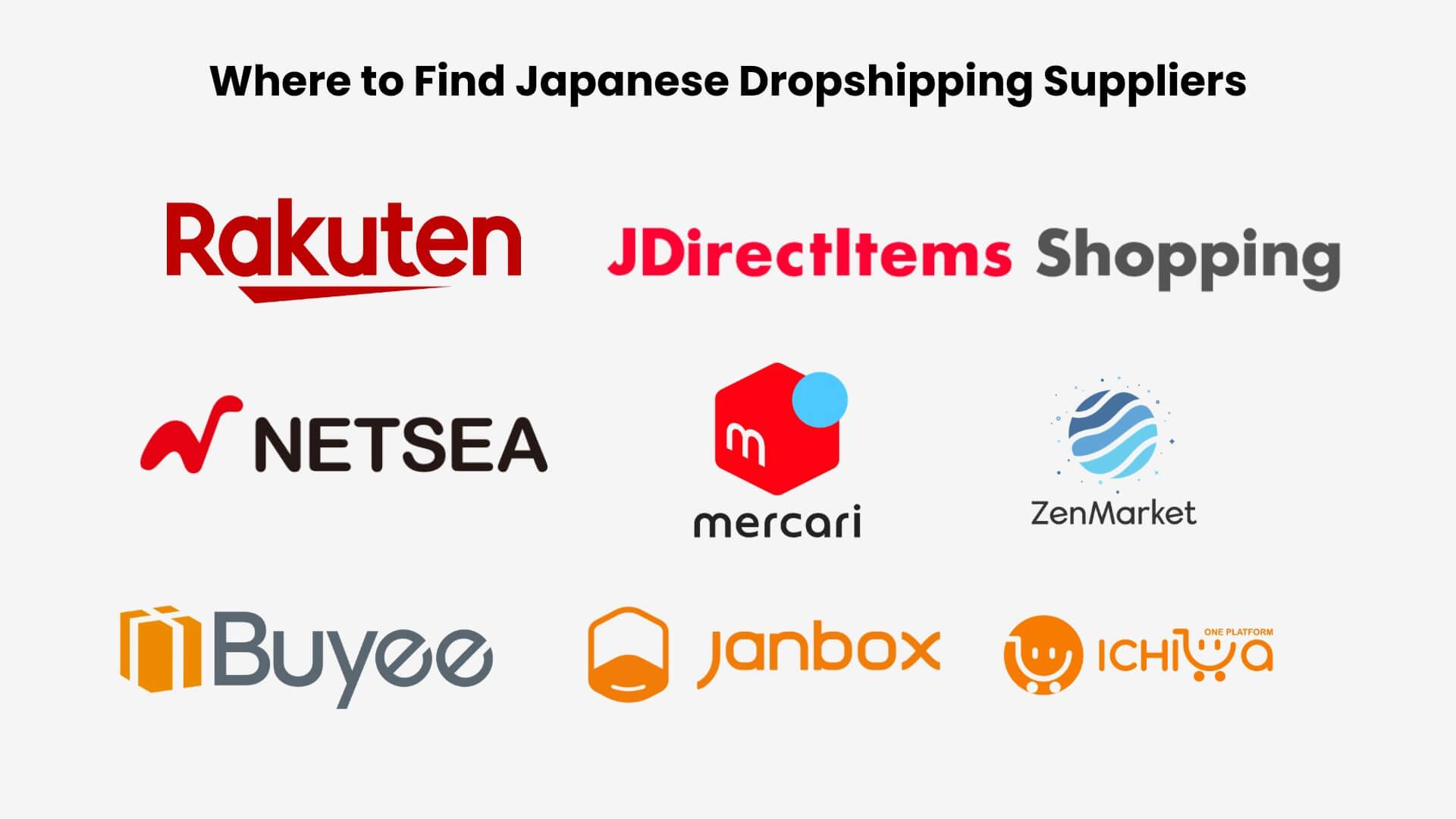
Japanese product sourcing generally falls into three main categories, each offering different advantages depending on your business model and target audience.
Domestic Japanese marketplaces are one of the best sources for authentic and trending products. These platforms contain millions of listings across categories such as anime merchandise, beauty products, fashion, collectibles, electronics, and lifestyle goods.
Many sellers use these marketplaces to discover products before they become popular internationally. However, most platforms are designed primarily for Japanese consumers, so overseas sellers often need proxy services to purchase and ship items globally.
Wholesale suppliers are more suitable for businesses that want stable inventory access, better pricing, or long-term supplier relationships. Japanese wholesalers often provide higher consistency in product quality and packaging compared to peer-to-peer marketplaces.
This sourcing method works especially well for stores focused on branded positioning and repeat sales rather than short-term trend chasing.
Proxy buying services act as intermediaries between international sellers and Japanese marketplaces. These services help users purchase products from Japan, consolidate packages, manage local payments, and arrange international shipping.
For many beginners, proxy services are the easiest way to start Japanese products dropshipping because they simplify sourcing and logistics without requiring a Japanese business presence.
Choosing the right sourcing platform can significantly impact your product quality, shipping efficiency, and long-term profitability. Some platforms are better for discovering trending products, while others are more suitable for wholesale purchasing or automated fulfillment workflows. Understanding the strengths of each supplier source will help you build a more stable and scalable Japanese products dropshipping business.
Rakuten is one of the largest ecommerce marketplaces in Japan and is often compared to Amazon because of its massive product catalog. Sellers can source a wide range of products, including Japanese skincare, fashion accessories, kitchenware, electronics, and home decor. Many Japanese brands officially operate stores on Rakuten, which helps improve product authenticity and buyer trust. The platform is especially useful for discovering premium lifestyle products that are difficult to find on international marketplaces.
Yahoo Shopping Japan is a popular domestic marketplace that offers both branded and independent seller products across numerous categories. It is commonly used for sourcing trending consumer goods, anime merchandise, fashion products, and niche collectibles. Because the platform serves mainly Japanese customers, prices are often more competitive compared to international resale markets. Many dropshipping sellers use proxy services to access Yahoo Shopping Japan because international shipping support is limited.
Mercari Japan is one of the best platforms for sourcing second-hand, rare, and limited edition products. Anime figures, vintage fashion items, trading cards, gaming merchandise, and discontinued collectibles are especially popular on the platform. Since many products are sold by individual users, pricing can sometimes be significantly lower than in retail stores. However, inventory availability changes quickly, making Mercari more suitable for trending selling rather than stable catalog management.
IChiba OnePlatform is designed specifically to help international ecommerce sellers source Japanese products more efficiently. The platform connects sellers with Japanese suppliers while also supporting fulfillment and cross-border logistics workflows. Unlike traditional proxy services, IChiba focuses more on long-term ecommerce operations and scalable dropshipping infrastructure. It is particularly useful for sellers who want to build branded stores around Japanese products without managing complex supplier communication manually.
Super Delivery is a wholesale platform that connects retailers with Japanese manufacturers and distributors. It offers access to high-quality Japanese brands across categories such as cosmetics, kitchenware, fashion, stationery, and interior decor. The platform is ideal for ecommerce businesses that want more stable inventory supply and stronger supplier relationships. Many products on Super Delivery are positioned in the premium market, making it attractive for sellers focused on branding rather than low price competition.
NETSEA is one of Japan’s largest B2B wholesale marketplaces and is commonly used by retailers looking for bulk purchasing opportunities. The platform includes products from manufacturers, wholesalers, and importers across various consumer categories. Compared to peer to peer marketplaces, NETSEA offers more consistency in pricing and inventory availability. Sellers who plan to scale beyond small volume dropshipping often use NETSEA to establish long term sourcing strategies.
Janbox helps international users purchase products from Japanese marketplaces and arrange worldwide shipping. The platform supports purchasing from sites such as Mercari, Rakuten, Yahoo Shopping Japan, and Yahoo Auctions, making it easier for overseas sellers to access Japanese inventory. In addition to proxy buying, Janbox also provides package consolidation and international forwarding services to reduce shipping complexity. This makes it a practical solution for beginners entering the dropshipping Japanese products niche.
Buyee is a well-known proxy shopping service that partners directly with several major Japanese marketplaces. It allows international users to purchase products from auction sites, ecommerce platforms, and specialty stores without needing a Japanese address or payment method. Anime merchandise, hobby products, and limited edition collectibles are among the most commonly sourced categories through Buyee. The platform is especially popular with sellers targeting anime and otaku audiences.
ZenMarket provides a centralized interface for buying products from multiple Japanese stores and marketplaces. The platform supports multilingual communication, international payment methods, and package consolidation, making it beginner-friendly for overseas sellers. Many ecommerce entrepreneurs use ZenMarket because it simplifies the sourcing process while still providing access to authentic Japanese products. It is particularly useful for testing product ideas before building larger supplier relationships.
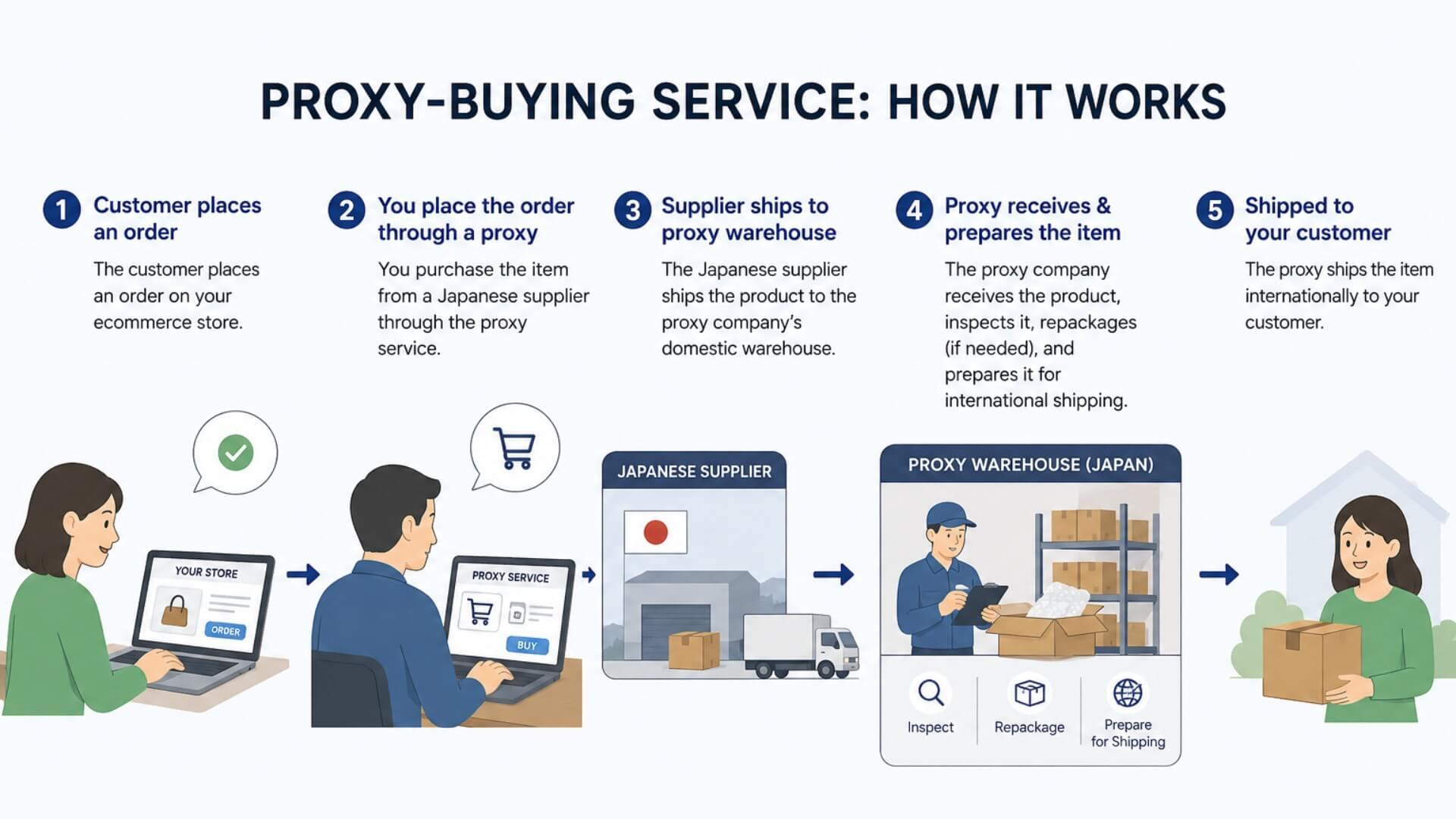
Proxy services play a critical role in enabling international sellers to source products from Japan efficiently. Since many Japanese suppliers do not ship directly overseas or support foreign payment methods, proxy companies help bridge this gap.
The process typically works like this:
A customer places an order on your ecommerce store. You then purchase the item from a Japanese supplier through a proxy service. The proxy company receives the product at its domestic warehouse, prepares it for international delivery, and ships it to your customer.
Choosing the right supplier is essential for maintaining product quality, customer satisfaction, and long-term profitability. Before working with any supplier, sellers should evaluate several important factors.
This is especially important for anime merchandise, branded cosmetics, and collectibles. Selling counterfeit products can lead to legal issues and damage customer trust.
Consistently positive reviews and high seller ratings usually indicate better reliability and customer service quality. Reviewing buyer feedback can also help identify common shipping or packaging issues.
Not all Japanese suppliers are prepared for international fulfillment. Sellers should verify whether suppliers can support export logistics directly or through proxy services.
Proper packaging is extremely important when shipping products internationally, particularly for fragile items such as ceramics, collectibles, or glass products. Poor packaging can result in high damage rates and expensive refund requests.
Starting a business focused on dropshipping Japanese products requires a different approach compared to traditional low-cost dropshipping models. Since Japanese products are often positioned as premium or niche items, success depends heavily on product selection, supplier reliability, branding, and customer experience. Sellers who focus only on price competition usually struggle in this market, while those who build a strong brand identity often achieve much better long-term results.
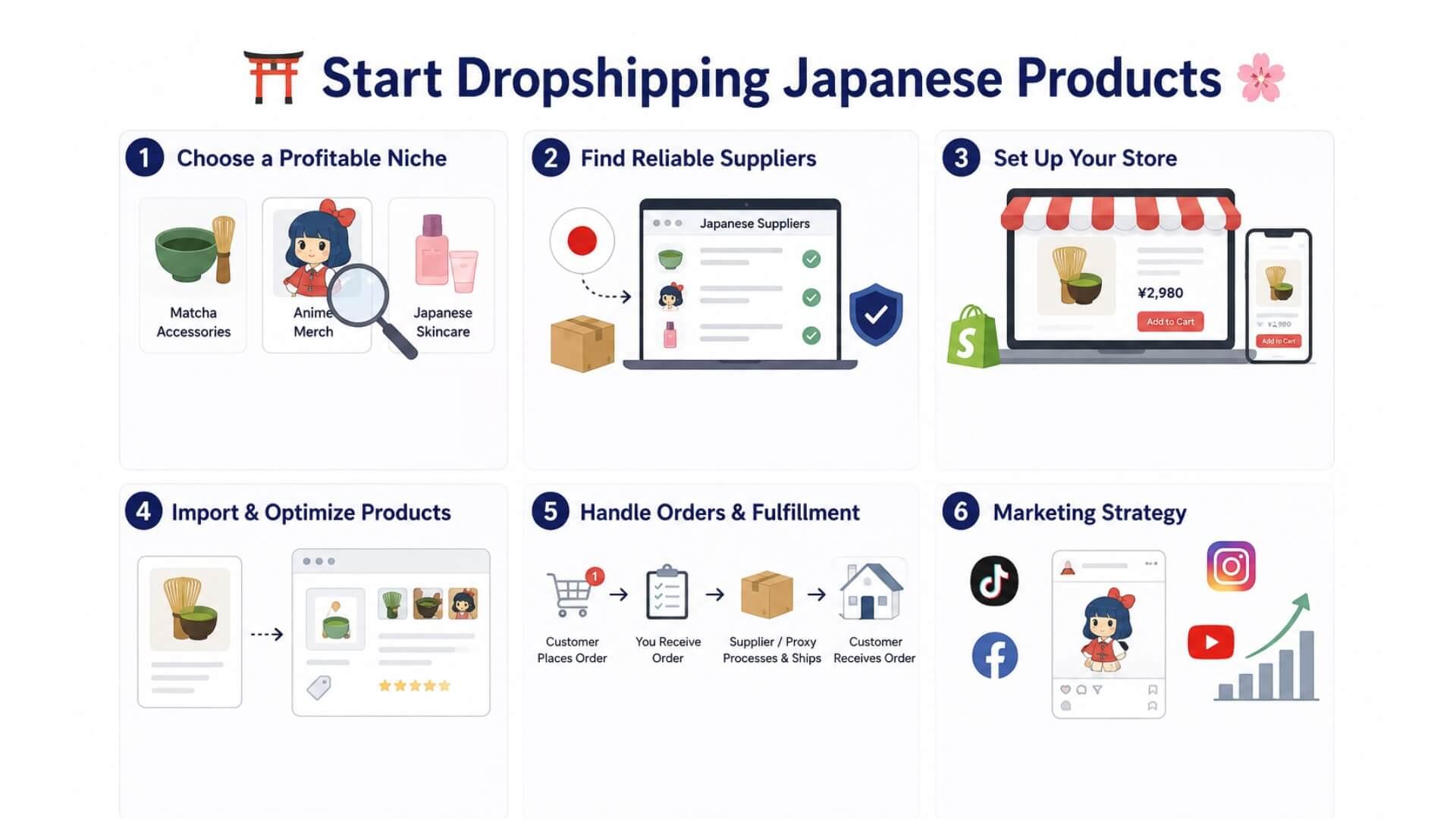
Start by selecting a focused niche instead of selling every type of Japanese product. Popular options include anime merchandise, skincare, minimalist lifestyle products, traditional crafts, and tea. A clear niche helps improve branding, marketing consistency, and customer trust. Research trends on TikTok, Instagram, and Reddit to identify products with growing demand.
Reliable suppliers are essential for maintaining product quality and smooth fulfillment. Many sellers source products from platforms such as Rakuten, Mercari Japan, and Yahoo! Shopping Japan. Proxy services like Janbox, Buyee, and ZenMarket help international sellers handle purchasing and shipping more easily.
Most beginners use Shopify or WooCommerce to build their stores. Your website should reflect a clean and professional Japanese aesthetic with strong product visuals and clear store policies. Shipping information and delivery expectations should always be transparent to build customer confidence.
Avoid copying supplier descriptions directly into your store. Instead, create unique product pages that focus on benefits, authenticity, and storytelling. Use SEO friendly keywords naturally throughout titles and descriptions to improve organic search visibility. High-quality product images and videos can also significantly improve conversion rates.
Many beginners start with manual order fulfillment by purchasing products after customers place orders. As the business grows, sellers often move toward semi-automated fulfillment workflows using proxy or warehouse partners. Providing tracking information and realistic shipping estimates helps reduce customer support issues.
Content marketing usually performs best for dropshipping Japanese products. TikTok works well for anime and trending products, while Instagram is ideal for lifestyle branding and minimalist products. SEO is also important for generating long-term organic traffic through blog content, product guides, and niche keywords.
Shipping and fulfillment play a major role in the success of any business focused on dropshipping Japanese products. Compared to traditional Chinese dropshipping, Japanese products usually have higher sourcing costs and international shipping fees. However, many sellers can still maintain strong profit margins because customers often perceive Japanese products as more premium and authentic.
Several shipping carriers are commonly used for international deliveries from Japan. Each option offers different advantages depending on product type, destination country, and delivery speed.
Japan Post is one of the most affordable shipping solutions for lightweight and non-urgent products. It is commonly used for small ecommerce orders and provides access to international delivery through standard mail services.
DHL and FedEx are preferred for faster international delivery and a premium customer experience. These carriers usually offer more reliable tracking and shorter delivery times, although shipping costs are significantly higher.
EMS is a popular middle ground between affordability and delivery speed. Many Japanese sellers and proxy services use EMS because it supports international tracking while remaining more cost-effective than private express carriers.
EFEX specializes in cross-border shipping and ecommerce logistics from Japan. It is commonly used by sellers who want more flexible fulfillment support for international ecommerce operations.
Shipping times vary depending on the carrier, destination country, customs processing, and fulfillment workflow.
Standard international shipping usually takes around 7 to 14 days for most countries. This option is more affordable and works well for non-urgent products.
Express shipping through carriers such as DHL, FedEx, or EMS typically takes around 3 to 7 days. Faster shipping can improve customer satisfaction, especially for premium products or collecting niches.
To reduce refund requests and customer complaints, stores should clearly communicate estimated delivery times before checkout.
Running a Japanese products dropshipping business involves several operational costs that sellers should calculate carefully before setting retail prices.
Japanese products are often more expensive than generic alternatives from other countries because of higher manufacturing standards and stronger brand value.
International shipping costs from Japan can vary significantly depending on product size, weight, and destination. Fragile items and heavy products usually require higher shipping budgets.
Sellers should also account for ecommerce platform subscriptions, payment gateway fees, advertising expenses, and proxy service charges when calculating profitability.
Because costs can add up quickly, a proper pricing strategy is essential for maintaining healthy margins.
Japanese products as premium lifestyle or collector items.
Customers often associate Japanese products with quality, authenticity, and exclusivity. This allows sellers to charge higher prices compared to generic dropshipping products.
Product bundles can increase average order value while reducing shipping cost per item. For example, stores can combine skincare sets, tea accessories, or anime collectibles into themed bundles.
Subscription models work especially well for Japanese snacks, tea, beauty products, and hobby items. Recurring revenue models can improve long-term customer retention and business stability.
Yes, it is completely possible to dropship Japanese products internationally. Many ecommerce sellers use Japanese marketplaces together with proxy buying or fulfillment services to ship products worldwide. Categories such as anime merchandise, skincare, tea, and lifestyle goods are especially popular in international markets.
Dropshipping from Japan can be highly profitable because Japanese products are often positioned as premium and authentic. Although sourcing and shipping costs are usually higher than traditional dropshipping models, sellers can often maintain better profit margins through branding, storytelling, and niche targeting.
You can find suppliers through Japanese marketplaces, wholesale platforms, and proxy services. Popular sourcing platforms include Rakuten, Mercari Japan, and Yahoo! Shopping Japan. Many international sellers also use services like Janbox or ZenMarket to simplify purchasing and shipping.
Delivery times depend on the shipping method and destination country. Standard international shipping usually takes around 7 to 14 days, while express shipping through DHL, FedEx, or EMS may take around 3 to 7 days. Customs processing can sometimes add additional delays.
In many cases, yes. A large number of Japanese marketplaces and suppliers primarily serve domestic customers and may not support international payments or overseas shipping. Proxy services help sellers purchase products, consolidate packages, and manage international logistics more easily.
Yes, Shopify is one of the most popular platforms for building a Japanese product dropshipping store. It supports ecommerce integrations, international payments, SEO optimization, and mobile-friendly store design, making it suitable for both beginners and growing brands.
In most cases, yes. Japanese products typically have higher manufacturing standards, stronger brand value, and more premium positioning compared to generic mass-produced products. However, many customers are willing to pay higher prices because they associate Japanese products with quality, authenticity, and craftsmanship.
Dropshipping Japanese products offers a strong opportunity for ecommerce sellers who want to build a more premium and differentiated brand. As global demand for authentic Japanese products continues growing, niches such as anime merchandise, skincare, tea, lifestyle goods, and traditional crafts are becoming increasingly attractive for both new and experienced entrepreneurs.
Unlike highly saturated low-cost dropshipping models, Japanese products dropshipping focuses more on product uniqueness, storytelling, and customer experience. While the business model may require higher upfront effort in sourcing, fulfillment, and supplier management, it also creates opportunities for stronger branding and healthier profit margins.
Success in this niche depends heavily on choosing the right products, working with reliable suppliers, and building a store that reflects quality and authenticity. Sellers who focus on long-term brand positioning instead of short-term trend chasing are more likely to build sustainable ecommerce businesses in the Japanese product market.
For beginners, starting with a focused niche, trusted proxy services, and clear fulfillment workflows can make the learning process much easier. As the business grows, investing in better supplier relationships, SEO, and content marketing can help create a scalable and profitable international brand.

Work with us
Our solutions
Address:
 〒136-0082, Japan, Tokyo, Koto-ku, Shinkiba 3-5-6, 5F
Connect us:


Japan
〒136-0082, Japan, Tokyo, Koto-ku, Shinkiba 3-5-6, 5F
Texas, USA
1606 Audrey Dr, Garland, TX 75040, United States
California, USA
1316 John Reed Ct, City of Industry, CA 91745, United States