

News
Ichiba OnePlatform Team - 27/05/2026
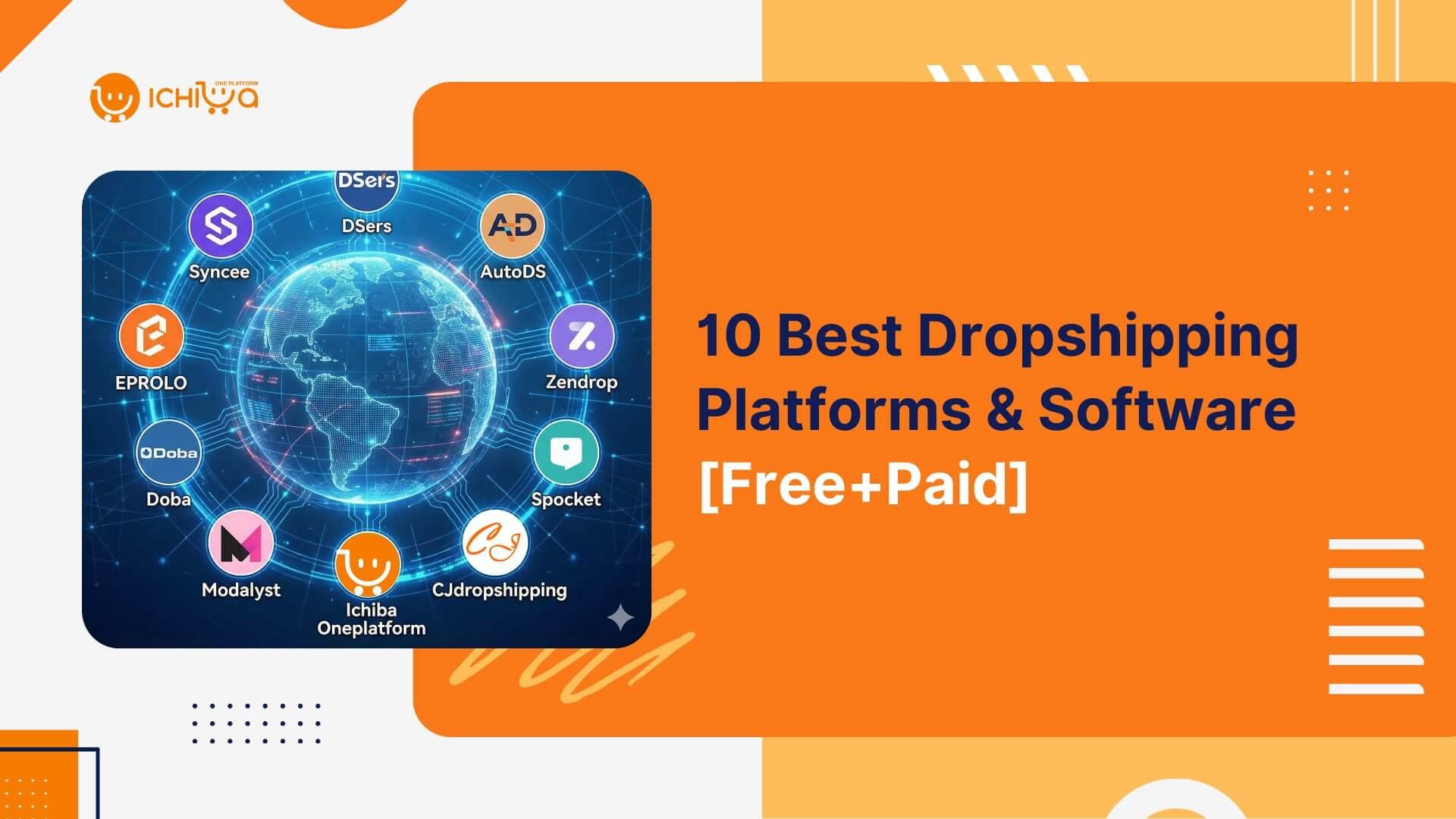
In this article
The global dropshipping market is becoming increasingly competitive, and success no longer depends only on finding winning products or running ads effectively. For modern sellers, choosing the right dropshipping platforms plays a decisive role in how fast they can launch, scale, and maintain stable operations across multiple markets.
With hundreds of tools claiming to be the best dropshipping software, many sellers struggle to distinguish between marketing promises and real functionality. Some solutions focus heavily on automation, others prioritize supplier access or shipping speed, while many platforms are built only for beginners and fail once order volume increases. This creates a critical question for sellers at every stage of growth: which is truly the best dropshipping platform for your business model and long-term goals?
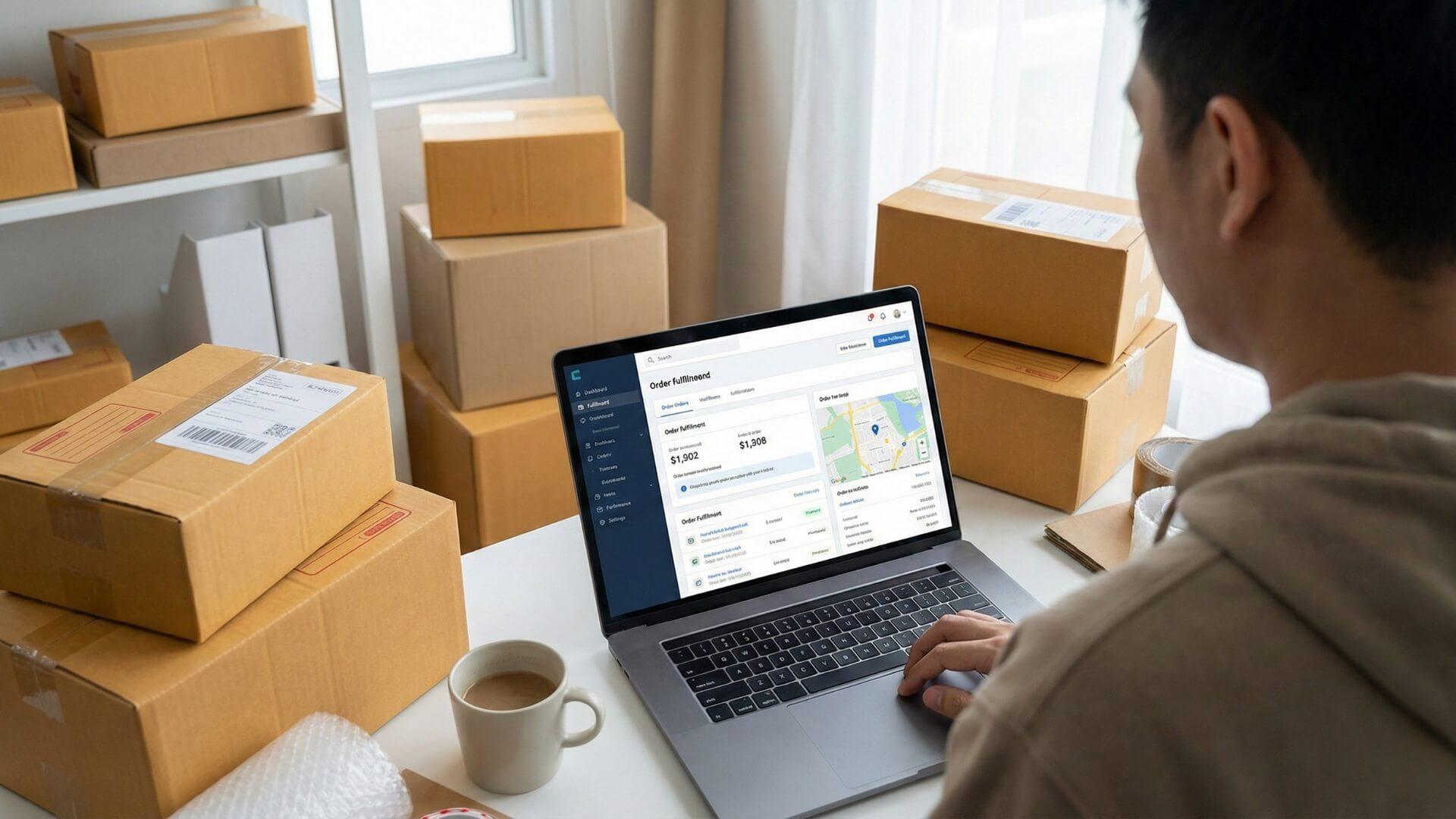
A dropshipping platform is a system that connects online sellers with product suppliers and fulfillment partners, allowing orders to be processed and shipped without the seller holding inventory. Instead of manually managing suppliers, stock levels, and order updates, sellers use a single platform to centralize these operations and automate daily workflows. In practice, a real dropshipping platform acts as the operational bridge between your storefront, your suppliers, and your logistics network.
At its core, a dropshipping platform enables sellers to source products, publish listings to e-commerce stores, and transmit customer orders directly to suppliers once a sale is made. The supplier then handles picking, packing, and shipping, while the platform keeps inventory and order status synchronized in real time. This structure allows sellers to focus on marketing, branding, and customer acquisition rather than warehouse management or manual order handling.
As dropshipping becomes more competitive and customer expectations continue to rise, not every tool that claims to be a platform is actually capable of supporting a scalable business. A real dropshipping platform must go beyond product imports and basic order forwarding. Below are the core functions that define a reliable and future-ready dropshipping platform.

Effective product sourcing is the foundation of any successful dropshipping operation. A strong platform gives sellers access to a wide and regularly updated product catalog, often aggregated from multiple suppliers and regions.
The best dropshipping platforms also provide structured product data, clear pricing rules, and media assets that can be customized for different markets. This ensures sellers can launch products quickly while maintaining control over margins and brand positioning.
Supplier reliability directly impacts customer satisfaction, refund rates, and long-term store reputation. A real dropshipping platform must include supplier vetting processes such as performance tracking, fulfillment history, and quality control standards. Instead of leaving sellers to negotiate blindly with unknown vendors, the platform should act as a filter that prioritizes proven suppliers. This is a key differentiator between basic supplier directories and the best dropshipping software used by professional sellers.
Manual order processing quickly becomes unsustainable as volume increases. A core function of any best dropshipping tool is the ability to automatically push orders from the storefront to the supplier as soon as payment is confirmed.
Advanced platforms allow automation, such as supplier selection by region or stock availability, which significantly reduces processing time and human error. Automation is also essential for sellers managing multiple stores or marketplaces simultaneously.
Accurate inventory synchronization prevents overselling, backorders, and customer complaints. A real dropshipping platform continuously syncs stock levels and pricing changes from suppliers to the seller’s storefront. This function becomes especially important when working with multiple suppliers or fast-moving products. Platforms that lack real-time inventory updates may work for beginners, but they are rarely suitable for scaling businesses.
Customers expect transparency throughout the delivery process, especially in cross-border ecommerce. A reliable dropshipping platform must provide automatic tracking updates and fulfillment status synchronization back to the store. This allows sellers to trigger customer notifications, reduce support tickets, and maintain trust. Many top dropshipping software solutions also centralize tracking from multiple carriers into a single dashboard, giving sellers full visibility over their operations.
Selecting the best dropshipping platform for your business is not a one-size-fits-all decision. As the e-commerce landscape evolves, so do the expectations of customers, marketplaces, and fulfillment partners.
In 2026, sellers must evaluate platforms based on a combination of operational strength, growth potential, and total cost of ownership. Below are the key criteria that will help you differentiate between tools that simply claim to be good and those that truly deliver long-term value.
A stable platform ensures your store, supplier communications, and fulfillment workflows run without interruption. Downtime or syncing errors can result in lost sales, delayed orders, and unhappy customers.
The best software for dropshipping integrates with ecommerce platforms like Shopify through robust APIs that handle thousands of requests per minute without bottlenecks. When evaluating solutions, look for platforms with proven uptime records and responsive technical support.
Even the most advanced tools are only as strong as the suppliers they connect you to. Supplier quality impacts product reliability, return rates, and customer satisfaction. The best dropshipping platforms vet suppliers based on performance metrics such as shipping timeliness, defect rate, and communication responsiveness.
Fulfillment speed also matters more than ever, especially with the growing demand for fast delivery. Platforms offering regional warehouses or express shipping options can significantly improve customer experience and conversion rates.
Automation eliminates repetitive tasks and frees up your time to focus on growth strategies. The best dropshipping software provides customizable workflows, rule-based order routing, and intelligent stock allocation.
Scalability is another critical factor: your platform should be able to handle increased order volume, multiple store connections, and complex vendor networks without slowing down or requiring manual interventions. Tools that support batch processing and multi-marketplace management give sellers a competitive edge.
Cost should never be the only factor, but lack of pricing clarity can eat into your margins quickly. Many platforms advertise low base fees yet charge extra for essential features like automation, tracking, or regional fulfillment.
The best platform for dropshipping clearly outlines subscription tiers, usage limits, transaction fees, and optional add-ons. As you compare solutions, calculate total projected costs based on your expected order volume and growth trajectory to avoid surprises.
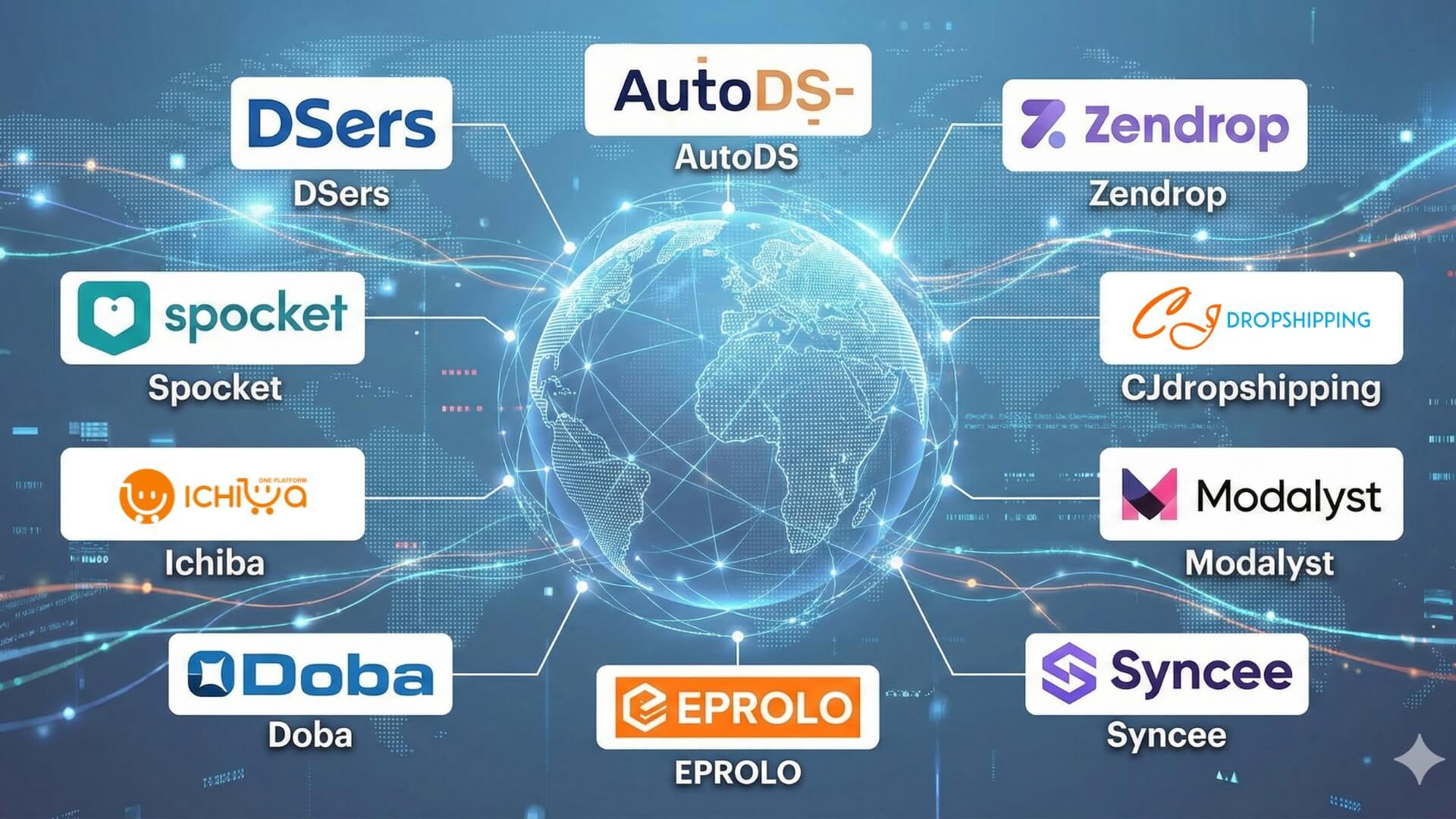
We break down the top dropshipping platforms and tools available in 2026, focusing on their strengths, weaknesses, and unique selling points. Our expert comparison includes options suited for beginners, automation-focused sellers, and scaling ecommerce brands. Each platform plays a slightly different role in your workflow, so understanding its real capabilities will help you choose the one that aligns with your business goals.
DSers is a dropshipping management tool that serves as the official partner for AliExpress, enabling sellers to connect their e-commerce stores and import products directly from AliExpress with minimal effort. It excels at bulk product importing and order processing, letting sellers place hundreds of AliExpress orders with just a few clicks, a huge time saver for volume sellers.
While its supplier network is tied to AliExpress, DSers offers intuitive mapping of suppliers and basic automation for tracking updates and inventory syncing. This makes it particularly appealing to sellers focused on low-cost, large catalog testing, and Shopify integration. However, shipping times still depend on the individual AliExpress vendors you choose, and quality can vary widely without careful supplier selection.
Key Strengths:
Excellent bulk order processing and supplier mapping
Affordable pricing with a free plan available
Integrates with Shopify, WooCommerce, Wix, and BigCommerce
Weaknesses:
Primarily tied to AliExpress suppliers (slower shipping times)
Limited automation compared with more advanced tools
AutoDS is a full-featured dropshipping automation platform designed to handle the entire workflow from product sourcing and importing to order fulfillment and price/stock monitoring. It connects with a broad range of suppliers, not just AliExpress, and supports multi-channel selling on platforms like Shopify, eBay, Etsy, TikTok Shop, and more.
AutoDS’s strength lies in its automation capabilities, including smart pricing rules, inventory syncing, and automated order placement, which reduce manual tasks significantly. It also offers advanced analytics and product research tools that help sellers find and scale winning products efficiently.
Key Strengths:
Full automation from product import to order placement and tracking
Supports Shopify, eBay, Amazon, Etsy, TikTok Shop, WooCommerce, and more
Smart pricing, bulk management, and inventory monitoring
Weaknesses:
It can feel complex for absolute beginners
Higher monthly cost compared with basic tools
Zendrop is the easiest dropshipping platform that focuses on fast shipping, simple product sourcing, and branding support. It aggregates products from both US and China warehouses, which can lead to faster delivery times for domestic orders in key markets compared to Asia-only sources.
Zendrop also offers some branding features, such as custom packaging, that help sellers create a more professional unboxing experience. Its interface is designed to be easy to navigate, even for new sellers, although its automation features are less powerful than more advanced tools like AutoDS.
Key Strengths:
Easy onboarding and straightforward interface
Fast shipping options from US warehouses
Branded packaging available
Weaknesses:
Smaller product catalog than some platforms
Limited integrations compared to enterprise tools
Spocket specializes in connecting sellers with vetted suppliers based primarily in the United States and Europe, giving sellers access to products that can ship quickly to these major markets. Because it focuses on higher-quality, regionally based suppliers, delivery times are often much faster than typical Asia-sourced dropshipping options.
Spocket also supports branded invoices and customization features to enhance professionalism and buyer trust. It integrates smoothly with major ecommerce platforms like Shopify, WooCommerce, and Wix, though its product catalog is generally smaller than global marketplaces. For sellers targeting premium niches or customers who expect quick delivery, Spocket’s curated supplier network offers significant advantages.
Key Strengths:
Access to predominantly US/EU suppliers
Branded invoices and quality control standards
Shopify, WooCommerce, Wix, and BigCommerce integrations
Weaknesses:
Smaller product selection than global marketplaces
Most advanced features require paid plans
CJdropshipping is a global sourcing and fulfillment platform that offers access to a wide range of products and regional warehouses for more competitive shipping options. Beyond typical sourcing, CJdropshipping supports custom packaging and branding services, helping sellers build a unique identity rather than just reselling generic items. It combines product sourcing, order fulfillment, and warehousing into one ecosystem, which reduces the need for multiple third-party tools.
While it requires a bit more manual involvement than fully automated systems, its broad supplier network and branding options make it appealing for niche or branded ecommerce stores. Many sellers value CJdropshipping for its flexibility and cost-effective operations, especially when scaling their store.
Key Strengths:
Very broad product selection
Warehouses in multiple regions for faster delivery
Custom packaging and branding options
Weaknesses:
The user interface can be complex
Automation tools are less advanced than dedicated platforms
IChiba OnePlatform positions itself as an all-in-one dropshipping partner that helps sellers source products from high-quality suppliers in Japan and Vietnam, expanding beyond the typical China-centric models.
It supports automated order fulfillment, seamless integration with major sales channels, and real-time updates to streamline operations from product discovery to delivery. With access to millions of products across diverse categories, IChiba reduces the operational complexity of cross-border ecommerce.
Its strong security protocols and integrations with marketplace channels like Shopify and Etsy make it an appealing choice for sellers looking to diversify their supplier base and reduce dependency on traditional platforms.
Key Strengths:
No subscription fees at the entry level
End-to-end dropshipping support
Diverse sources of goods from Japan, China, and Vietnam
Ideal for cost-conscious entrepreneurs
Weaknesses:
The feature set may be less developed than the premium software
Support and advanced tools may vary based on plan
>> See more: Best free dropshipping platforms
Modalyst is designed as a curated dropshipping marketplace that emphasizes unique, high-quality items, including independent brands and boutique suppliers. It blends premium US/EU products with a curated selection of AliExpress items that can be imported into your store with a single click.
Modalyst’s curated product focus helps sellers differentiate their catalog from the more generic offerings on mass marketplace platforms. It supports fast shipping from local suppliers and real-time inventory syncing, which is especially useful for fashion, accessories, and other trend-driven categories. The platform’s integrations with Shopify, Wix, and BigCommerce make it versatile for brand-focused ecommerce stores.
Key Strengths:
High-quality suppliers and curated brand products
Automated listing and real-time inventory sync
Integrate with Shopify, Wix, and BigCommerce
Weaknesses:
Smaller catalog than marketplace-wide tools
Premium pricing on upscale products
Doba aggregates hundreds of thousands of products from over 160 vetted suppliers into a single platform, streamlining the sourcing and order management process for sellers. It provides tools to filter by supplier performance, shipping origin, and product category, ensuring you can make informed decisions about reliability and delivery speed.
Unlike tools that act only as connectors, Doba’s unified dashboard lets you manage products from multiple suppliers without juggling separate accounts. It also automates inventory updates and order placement, reducing the risk of overselling.
Key Strengths:
One dashboard for multiple suppliers
Automated inventory updates and listing tools
Broad category selection
Weaknesses:
Monthly fees can add up
Supplier quality varies by vendor
EPROLO is a free-to-use dropshipping supplier and fulfillment platform that simplifies operations for ecommerce entrepreneurs, especially those on Shopify and WooCommerce. It offers automated order processing, fast shipping options, and a wide product selection with frequent updates, making it easier for sellers to maintain product variety and customer satisfaction.
One of its standout features is custom branding and packaging services with no minimum order quantities, which helps sellers build professional brands from day one. EPROLO’s integration with major ecommerce systems and responsive support enhances usability for new and experienced sellers alike.
Key Strengths:
Free plan for basic automation
Integrated warehouses and fulfillment services
Supports product customization
Weaknesses:
Partial automation and slower shipping times than premium tools
Fewer advanced features
Syncee operates as a premium dropshipping and wholesale marketplace connecting online stores with thousands of vetted suppliers across the US, Canada, Europe, and beyond. Its platform allows sellers to browse and import products into their stores with AI-powered search and automation features that simplify inventory updates and order management.
Syncee’s model blends dropshipping and wholesale capabilities, giving sellers the flexibility to scale once they identify top-selling items. With support for multiple ecommerce platforms and built-in SEO tools, Syncee helps merchants optimize product listings and expand their catalogs efficiently. s.
Key Strengths:
Large, curated supplier marketplace
Auto-sync of prices and stock
Integrates with Shopify, WooCommerce, Wix, Etsy, and eBay
Weaknesses:
No direct fulfillment warehouses - shipping depends on the supplier
The marketplace model can require manual approvals
Platform | Best For | Key Strengths | Pricing | Shopify Integration | Fulfillment Regions |
DSers | AliExpress-focused sellers wanting bulk order support | Official AliExpress partner, bulk order processing, supplier optimization | Free; Premium ~$19.90–$49.90/mo | Yes (Shopify, WooCommerce, Wix, BigCommerce) | Global (AliExpress suppliers - slower delivery) |
AutoDS | Sellers needing full automation across multiple suppliers | All-in-one automation, broad supplier network, multi-channel support | ~$26.90+/month (trial then paid) | Yes (Shopify, eBay, Amazon, WooCommerce, Wix, TikTok Shop, etc.) | Global (various supplier warehouses) |
Zendrop | Beginners focused on fast shipping and branding | US/China fast shipping, auto fulfillment, branding options | Free + Paid (est. ~$49/mo & higher tiers) | Yes (Shopify, WooCommerce, TikTok Shop, ClickFunnels) | US & China (faster regional deliveries) |
Spocket | Sellers prioritizing fast US/EU delivery | Curated US/EU suppliers, branded invoices, quick shipping | Free plan; Pro ~$39.99+/mo | Yes (Shopify, WooCommerce, Wix, BigCommerce) | US, EU & select global regions |
CJdropshipping | Niche & branded stores with global fulfillment | Broad product catalog, warehousing, and custom packaging | Free to start; Pay-as-you-go | Yes (Shopify, WooCommerce, eBay, Amazon, TikTok) | Global (US, EU, Asia & more) |
IChiba OnePlatform | Sellers focused on Japan & Vietnam product sourcing | All-in-one sourcing + order + fulfillment, diverse product catalog | Free model (platform access) | Yes (Shopify + multi-channel) (ICHIBA) | US, Japan, Vietnam & global cross-border |
Modalyst | Branded & unique products, boutique stores | US/EU brands, curated inventory, real-time sync | Free; Paid ~$35–$90+/mo | Yes (Shopify, Wix, BigCommerce, WooCommerce) | US, EU & global suppliers |
Doba | All-in-one supplier marketplace for variety | Aggregated supplier catalog, inventory/price sync | ~$24.99–$44.99+/mo (est.) | Yes (Shopify via plugin, others via API/feeds) | US & global (via suppliers) |
EPROLO | Cost-conscious sellers & branding support | Free integration, global warehousing, custom branding | Free (optional branding tiers) | Yes (Shopify, WooCommerce, etc.) | Global (US, UK, EU, China warehouses) |
Syncee | Marketplace-style sourcing with wide supplier reach | Large global supplier marketplace, auto sync | Free + tiered plans ~$39.99–$99.99/mo | Yes (Shopify, WooCommerce, Wix, BigCommerce, etc.) | Global (US, CA, EU, UK, AU & beyond) |

While each solution has its merits, beginners often fall into predictable traps that cost time, money, and growth momentum. Understanding these common mistakes can help you avoid costly decisions and choose a platform that truly supports your business ambitions in 2026 and beyond.
It’s natural for new sellers to be attracted to free or low-cost platforms, but focusing exclusively on pricing can lead to long-term limitations. Many budget tools lack core features like reliable automation, real-time inventory syncing, or supplier verification, capabilities that become essential as your order volume grows.
Beginners often underestimate the total cost of ownership, which includes additional fees for shipping, branded packaging, or automation add-ons that are necessary for serious scaling.
A common error is selecting platforms based on product selection alone, without considering supplier quality or fulfillment speed. Sellers drawn to massive catalogs sometimes overlook that slow shipping or poor-quality products can damage customer satisfaction and increase refund or return rates. Especially for businesses targeting competitive markets, partnering with platforms that offer vetted suppliers and faster fulfillment options, such as US or EU warehouses, can make a significant difference in customer retention and reviews.
Many beginners think they can manage order processing and inventory manually until their business grows “big enough” to automate. In reality, manual processes become burdensome far earlier than most expect, leading to mistakes, delayed orders, and unhappy customers.
Choosing a platform that supports automation from day one, including price rules, inventory sync, and automated fulfillment, saves time and reduces errors, helping you scale without bottlenecks. Starting with limited automation often results in migrating platforms later, which can disrupt operations and cost sales.
Dropshipping is not just about sourcing products; it’s about how that platform connects with your sales channels. Beginners often overlook integration compatibility with key ecommerce systems like Shopify, WooCommerce, TikTok Shop, or Amazon. Before committing, it’s vital to confirm that the platform supports your store configuration and any future channels you plan to expand into.
Large catalogs look attractive on the surface, but more products do not automatically translate into higher profits. Beginners often get lost in endless options without assessing product quality, market demand, or supplier reliability.
The best dropshipping platform for your business should provide curated or vetted products that align with your niche and target customers, rather than sheer volume. Choosing a platform with better curated suppliers and product filters often leads to higher conversions and lower return rates.
Strong customer support and clear documentation are crucial for beginners navigating setup, integrations, and troubleshooting. Sellers frequently underestimate how important timely support is when issues arise, especially during peak seasons or ad campaigns.
Platforms with robust knowledge bases, responsive support teams, and community resources help you solve problems faster and grow your skills more effectively. Poor support often leads to unnecessary frustration and business delays.
Which dropshipping platform is best for beginners?
The best dropshipping platform for beginners is one that combines ease of use, reliable suppliers, and basic automation without overwhelming complexity. Platforms like Zendrop or EPROLO are often recommended because they offer guided onboarding, simple product sourcing, and straightforward Shopify integration. Beginners should prioritize platforms that reduce manual work early on while still allowing room to scale as order volume increases.
Is Shopify the best platform for dropshipping?
Shopify is widely considered the best ecommerce platform for dropshipping, but it is not a dropshipping platform by itself. It provides a stable storefront, payment processing, and app ecosystem, while dropshipping platforms handle sourcing, automation, and fulfillment. When Shopify is paired with the right dropshipping software, sellers gain a powerful and flexible setup that supports both beginners and advanced operations.
What is the easiest dropshipping software to use?
The easiest dropshipping software typically offers a clean interface, minimal setup steps, and automated workflows out of the box. Zendrop, DSers, and EPROLO are often cited as user-friendly options because they simplify product import, order fulfillment, and tracking updates. Ease of use should be balanced with essential features, as overly basic tools may limit growth later.
Can I use multiple dropshipping platforms together?
Yes, many experienced sellers use multiple dropshipping platforms at the same time to diversify suppliers and reduce risk. For example, one platform may be used for fast US fulfillment, while another supports broader product sourcing or niche items. The key is ensuring inventory sync, order routing, and automation rules are well managed to avoid conflicts or overselling.
Are paid dropshipping tools worth it?
Paid dropshipping tools are often worth the investment once you begin scaling or managing multiple products and stores. Advanced automation, supplier vetting, and faster fulfillment options can significantly reduce operational errors and save time. While free tools are useful for testing ideas, paid platforms usually provide better long-term value through stability, support, and scalability.
Which platform is best for fast shipping?
Platforms that focus on US and EU suppliers are generally best for fast shipping. Spocket and Zendrop are popular choices for sellers targeting customers who expect shorter delivery times. Some platforms also offer regional warehouses or private fulfillment options, which can further reduce shipping delays and improve customer satisfaction.
Choosing the right dropshipping platform is no longer a simple technical decision, but a strategic one that directly impacts how efficiently you can launch, scale, and sustain your business. The best dropshipping platforms in 2026 are those that provide stable infrastructure, reliable automation, and access to high-quality suppliers with predictable fulfillment performance.
There is no single best platform for every seller, as the ideal choice depends on your experience level, target markets, and operational priorities. Understanding core platform functions, selection criteria, and common mistakes helps sellers make informed decisions instead of reacting to short-term costs or marketing claims.
Ultimately, the best dropshipping software is one that aligns with your long-term business goals and allows you to focus on growth rather than daily operational friction. By carefully evaluating platforms based on value, scalability, and supplier reliability, you can build a dropshipping business that remains competitive, resilient, and profitable well beyond 2026.

Work with us
Our solutions
Address:
 〒136-0082, Japan, Tokyo, Koto-ku, Shinkiba 3-5-6, 5F
Connect us:


Japan
〒136-0082, Japan, Tokyo, Koto-ku, Shinkiba 3-5-6, 5F
Texas, USA
1606 Audrey Dr, Garland, TX 75040, United States
California, USA
1316 John Reed Ct, City of Industry, CA 91745, United States