

News
Ichiba OnePlatform Team - 20/05/2026
In this article
The global beauty industry continues to be one of the most attractive segments for ecommerce sellers, and dropshipping beauty products has emerged as a practical entry point for both new and experienced dropshippers.
Unlike trending categories that peak and fade quickly, beauty products for dropshipping benefit from long-term consumer habits and emotional buying decisions. Customers do not simply purchase once; they return for refills, upgrades, and complementary products, which makes dropship beauty and skincare dropshipping suppliers especially appealing for sellers focused on customer lifetime value.
However, success in dropshipping beauty is not just about picking popular items. Sellers must carefully choose reliable beauty dropshipping suppliers, understand cosmetic regulations in their target markets, and apply marketing strategies that align with platform policies and consumer expectations.
Choosing the right beauty products to dropship is one of the most important decisions for success in this niche, because product selection directly affects conversion rates, repeat purchases, and brand trust. Beauty buyers tend to be research-driven yet emotionally motivated, which means sellers who focus on products with clear use cases often outperform stores that simply chase viral items.
Below are the top beauty dropshipping categories that consistently perform well, followed by a closer look at trending beauty products worth testing.
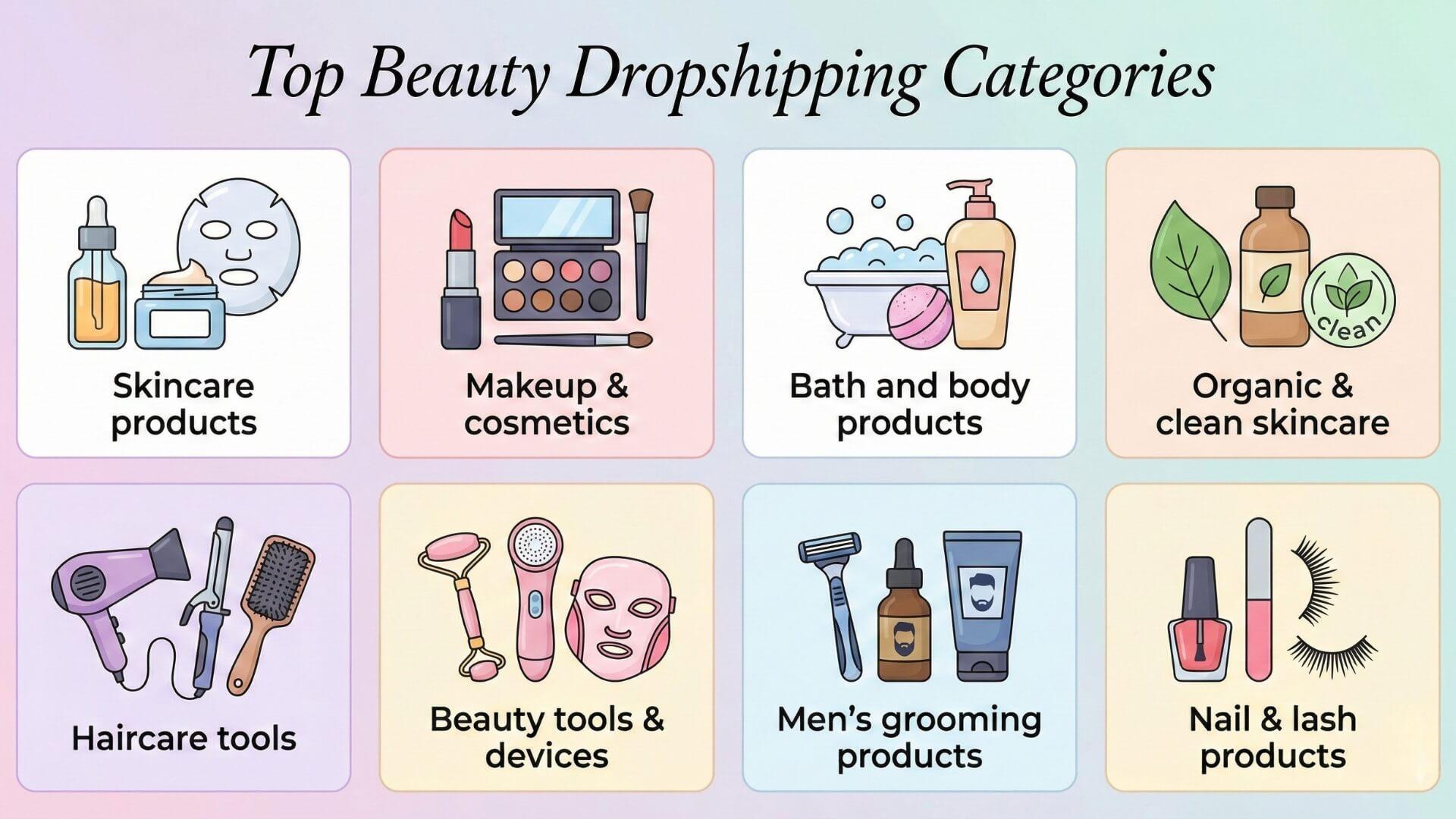
Skincare is often the first category sellers enter when they start dropshipping beauty products, and for good reason. These products are deeply integrated into daily routines, which makes demand predictable and less dependent on short-lived trends. Customers are not just browsing; they are actively searching for solutions to specific skin concerns such as acne, dryness, sensitivity, or early aging, which creates strong purchase intent.
From a dropship beauty perspective, skincare also fits well with content-driven selling. Educational product pages, before and after visuals, and short videos explaining ingredients or routines perform especially well. When paired with reliable skincare dropshipping suppliers, sellers can focus on building trust and optimizing conversion funnels rather than constantly replacing products.
In terms of business metrics, skincare offers high repeat purchase potential and strong lifetime value. Once a customer incorporates a serum or moisturizer into their routine, they are likely to reorder every 30 to 60 days, making skincare one of the most scalable categories in dropshipping beauty
Social media trends, creator recommendations, and seasonal launches highly influence makeup and cosmetics. Products such as lip tints, foundations, blushes, and eye makeup are visually engaging and easy to demonstrate, making them ideal for TikTok and Instagram traffic strategies.
For sellers who dropship makeup, speed and trend awareness matter more than long-term routines. Winning products often come from identifying rising trends early and working with makeup dropshipping suppliers that can deliver consistent quality and fast restocking. This category rewards sellers who think like performance marketers and iterate quickly.
While repeat purchases depend on usage and trend cycles, cosmetics still offer solid margins and impulse sales. When combined with bundles or limited collections, makeup can be a powerful traffic driver for dropshipping beauty stores.
Bath and body products sit at the intersection of beauty, wellness, and self-care. Items like body washes, scrubs, lotions, and bath accessories are purchased not only for function but also for relaxation and emotional comfort. This makes the category appealing to a broad audience and less dependent on niche targeting.
From a SaaS style ecommerce perspective, dropship bath and body products are easy to systemize. They work well with subscription models, refill offers, and cross-sell strategies, especially when sourced through beauty supply dropshipping partners. Many sellers use these products to increase average order value rather than relying on single-item purchases.
Because these items are consumable, repeat purchase rates are naturally high. Sellers who position bath and body products around lifestyle themes such as stress relief or daily rituals often see strong brand engagement and customer retention.
Organic and clean skincare has shifted from a niche segment to a mainstream expectation in many markets. Consumers increasingly read ingredient lists, avoid harsh chemicals, and look for brands that align with their values. This makes clean beauty a strong opportunity within dropshipping beauty, especially in the US and EU.
For dropshipping sellers, this category requires more attention to supplier transparency and compliance. Working with skincare dropshipping suppliers who can provide clear ingredient documentation and certifications is essential. In return, sellers gain the ability to price products at a premium and attract a more loyal customer base.
Clean skincare customers tend to be less price-sensitive and more brand-focused. Once trust is established, repeat purchases are frequent, making this category ideal for sellers aiming to build long-term brand equity rather than one-off sales.
Haircare tools such as scalp massagers, heatless curlers, and styling brushes are popular because they promise visible results without ongoing consumption. These products are easy to demonstrate in short videos, which makes them highly compatible with paid ads and influencer content.
From an operational standpoint, haircare tools are attractive because they typically have fewer compliance concerns than consumable beauty products. Sellers can focus on creative testing, landing page optimization, and logistics rather than ingredient regulations. This aligns well with a tech-driven, test and scale approach to dropshipping.
Although repeat purchases are lower, haircare tools often have higher margins and strong upsell potential. Many stores successfully pair them with consumable products to balance lifetime value.
Beauty tools and devices represent the higher end of the dropshipping beauty spectrum. Products like LED masks, facial cleansing devices, and lifting tools appeal to customers who want professional results at home. These items are often perceived as investments rather than impulse buys.
For sellers, this category behaves more like a SaaS funnel. Customers require more education, social proof, and reassurance before purchasing. Detailed product pages, comparison charts, and user testimonials play a critical role in conversion.
While repeat purchases are limited, the average order value and margin opportunities are significantly higher. With proper quality control and supplier vetting, beauty devices can become a core revenue driver in dropshipping beauty.
Men’s grooming has evolved rapidly as male consumers become more comfortable investing in skincare, beard care, and personal grooming routines. This category benefits from simpler routines and clearer problem statements, such as irritation, dryness, or beard maintenance.
For dropshipping sellers, men’s grooming products are easier to position and market. Messaging tends to be more straightforward, and branding can focus on convenience and performance rather than aesthetics. Many cosmetics dropshipping suppliers now offer dedicated men’s lines to support this demand.
Repeat purchase rates are solid, especially for consumable items like cleansers or beard oils. This makes men’s grooming a reliable and often less competitive segment within dropshipping beauty.
Nail and lash products are driven by frequent replacement cycles and salon trends. Items such as press-on nails, lash extensions, and serums allow customers to achieve visible results at home for a fraction of the cost of professional services.
This category performs particularly well with social proof and tutorial content. Sellers who dropship beauty products in this segment often rely on user-generated videos to build trust and demonstrate ease of use. Speed to market and trend awareness are critical advantages here.
From a business perspective, nail and lash products offer very high repeat purchase potential and excellent margins. When sourced from reliable cosmetics dropshipping suppliers, they can become a consistent revenue stream for beauty dropshipping stores.
In beauty dropshipping, trends do not simply appear overnight and disappear just as quickly. Most winning products are the result of shifting consumer behavior, platform algorithms, and new conversations around skin health and self-care beauty solutions. For dropshipping beauty products sellers, understanding why a product is trending is often more important than the trend itself, because it helps predict whether demand will be short-lived or scalable.
Skin barrier repair creams have gained momentum as consumers move away from aggressive treatments and focus on long-term skin health. Discussions around over-exfoliation, damaged skin barriers, and sensitive skin have made these products highly relevant. For dropshipping beauty stores, barrier repair creams perform well when positioned as routine essentials rather than miracle cures.
LED beauty masks continue to attract attention due to their strong visual appeal and association with professional skincare treatments. These devices are frequently featured by creators on TikTok and YouTube Shorts, making them ideal for acquisition.
Scalp care products are emerging as a fast-growing segment within dropshipping beauty. As conversations around hair loss, scalp health, and holistic haircare increase, products like scalp serums, exfoliators, and massagers are becoming part of everyday routines.
Lash serums remain a consistent performer due to their clear before-and-after potential. Customers are drawn to products that promise longer and stronger lashes without salon visits. For dropshipping sellers, lash serums work best when paired with transparent ingredient lists and realistic expectations.
Collagen masks appeal to consumers looking for fast, visible hydration and plumping effects. These products thrive in short videos where texture and application can be clearly shown. While collagen masks are often purchased as impulse items, sellers can increase retention by offering bundles or positioning them as part of weekly skincare rituals.
Beauty supplements are increasingly positioned as part of a complete beauty from within routine. Products targeting skin, hair, and nails are gaining traction, especially among wellness consumers. However, this trend requires careful attention to compliance and marketing claims.
Dropshipping beauty suppliers are not just a backend detail; they are a core part of your product quality, delivery speed, and customer trust. Even the best marketing funnel will struggle if products arrive late, packaging looks unprofessional, or formulations change without notice. For dropshipping sellers who want to scale sustainably, choosing the right beauty dropshipping suppliers is a strategic decision, not a tactical one.

Private label suppliers
These suppliers allow you to sell beauty products under your own brand name, often with customization options for packaging and formulations. While setup costs and minimum order requirements can be higher, private label models give sellers more control over pricing, positioning, and customer loyalty.
Wholesale dropshipping suppliers
Wholesale dropshipping suppliers focus on products that can be shipped directly to customers without bulk purchasing. This model is popular among beginners because it minimizes upfront risk and simplifies operations. Wholesale beauty dropshipping suppliers are suited for testing multiple SKUs quickly, especially in fast-moving categories like makeup and bath and body products.
Marketplace suppliers platform
Marketplace supplier platforms aggregate multiple beauty suppliers into a single system, often with automation tools for product import, order sync, and tracking updates. For sellers managing several stores or channels, these platforms function like infrastructure layers rather than simple supplier directories.
Regional distributors
Regional distributors specialize in specific markets and often offer better compliance alignment and faster local shipping. Working with regional beauty dropshipping suppliers can improve delivery times and customer satisfaction, particularly in regulated markets like the US, EU, Japan, and Korea.
When evaluating popular beauty dropshipping suppliers, sellers should look beyond product variety and focus on system reliability. Platforms that offer stable inventory, clear pricing structures, and responsive support tend to outperform cheaper alternatives over time.
CJ Dropshipping beauty catalog
CJ Dropshipping is often the first stop for sellers entering dropshipping Korean skincare, thanks to its wide catalog and dropshipping infrastructure. The platform offers a large selection of beauty products, ranging from skincare and masks to basic cosmetics, with relatively low barriers to entry for new sellers.
From a systems perspective, CJ works well for rapid testing. Sellers can import products quickly, sync orders automatically, and experiment with multiple SKUs without committing to bulk inventory. However, because many sellers use the same catalog, branding differentiation and quality consistency require extra attention.
CJ Dropshipping is best suited for sellers in the validation stage who prioritize speed and flexibility over exclusivity, especially when testing beauty products to dropship across multiple niches.
UMMA
UMMA positions itself as a curated Korean beauty supplier rather than a mass catalog platform. It focuses on authentic K beauty brands and products that already have recognition in international markets, making it easier for sellers to build trust with customers.
For dropshipping sellers, UMMA’s strength lies in brand credibility and ingredient transparency. Products often come with clearer documentation, which supports compliance and more confident marketing. This is particularly valuable for sellers targeting educated skincare buyers who research ingredients before purchasing.
Korealy
Korealy acts as a sourcing bridge between Korean manufacturers and global dropshipping sellers. Instead of focusing only on finished consumer brands, Korealy gives access to a broader range of Korean beauty manufacturers and emerging labels.
This model works well for sellers who want early access to new products and trends before they become saturated. It also opens opportunities for private label or semi-branded strategies, depending on volume and partnership structure.
Q-Depot
Q-Depot is a well-known Korean wholesale distributor that supports both bulk purchasing and dropshipping models. Its catalog includes a wide range of skincare, cosmetics, and beauty accessories, with a focus on established Korean brands.
For dropshipping sellers, Q Depot offers stability and scale. Inventory levels are generally reliable, and product quality is consistent, which reduces operational risk when scaling paid traffic.
BeautyJoint
BeautyJoint is a popular US supplier for cosmetics and skincare dropshipping, particularly for sellers targeting North American customers. Its main advantage is fast domestic shipping, which directly improves customer satisfaction and ad performance.
The platform focuses heavily on ready-to-ship products, making it easy for sellers to launch without complex onboarding. BeautyJoint works well for makeup dropshipping suppliers' strategies where delivery speed matters more than brand exclusivity.
Spocket
Spocket positions itself as a curated supplier platform rather than a traditional dropshipping marketplace. It emphasizes quality control, brand presentation, and suppliers based in the US and Europe.
From a SaaS perspective, Spocket integrates smoothly with ecommerce platforms and supports streamlined product management. Sellers benefit from cleaner product data and fewer fulfillment issues compared to open marketplaces.
Modalyst
Modalyst combines dropshipping and wholesale models, offering access to both independent brands and private label options. Its beauty catalog includes skincare, cosmetics, and wellness products that align well with lifestyle branding.
The platform is well-suited for sellers who want to experiment with brand-focused dropshipping rather than purely price-driven offers. Integration and automation tools support product management at scale.
Avasam
Avasam is a UK supplier platform designed for sellers targeting the UK and EU markets. It emphasizes compliance, local fulfillment, and structured supplier onboarding.
For dropshipping beauty sellers, Avasam reduces friction around VAT, shipping times, and regulatory alignment. This makes it easier to scale in markets where customer expectations are high and tolerance for delays is low.
Syncee
Syncee acts as a global supplier directory with strong coverage in the US, UK, and EU. It allows sellers to connect with multiple beauty dropshipping suppliers through a single interface.
The platform is flexible and supports product filtering by region, pricing, and fulfillment type. While quality varies by supplier, Syncee gives sellers the tools to build diversified sourcing strategies.
IChiba OnePlatform
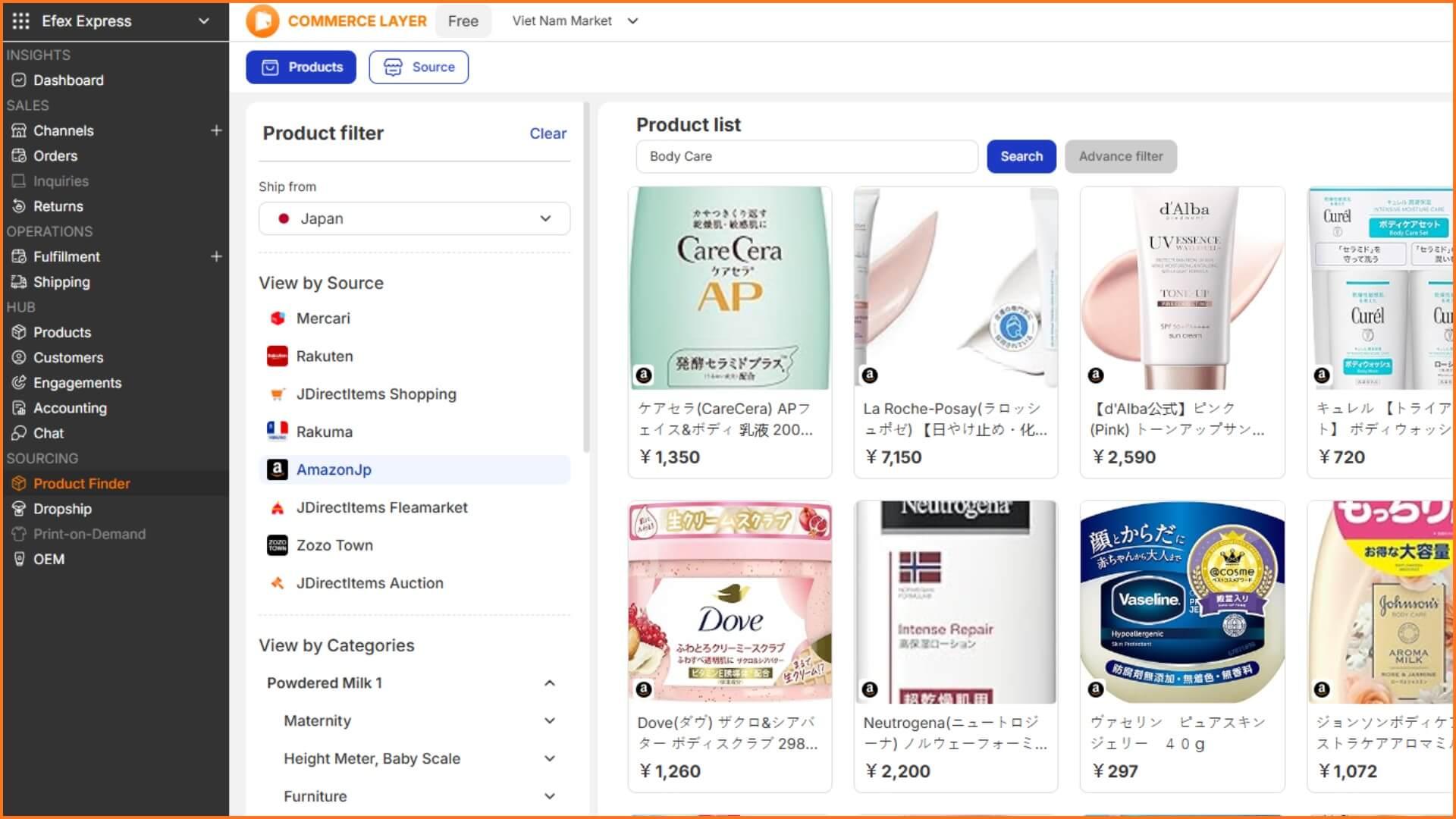
IChiba OnePlatform is designed as an end-to-end dropshipping and fulfillment solution rather than a traditional supplier list. It focuses on connecting sellers with authentic Japanese beauty products while handling sourcing, order processing, cross-border shipping, and after-sales support within a single system.
What sets IChiba apart is its operational depth. Instead of requiring sellers to manage multiple suppliers, logistics partners, and compliance steps, IChiba centralizes these functions into one platform. This approach significantly reduces operational complexity, especially for sellers scaling multiple beauty products to dropship across regions.
For dropshipping sellers targeting premium markets, IChiba supports brand consistency, stable fulfillment, and access to trusted Japanese suppliers. This makes it particularly suitable for skincare dropshipping suppliers' strategies that emphasize quality, safety, and long-term customer trust rather than rapid trend chasing.
AsianBeautyWholesale.com
AsianBeautyWholesale.com focuses on wholesale access to Asian beauty brands, including Japanese and Korean products. While primarily wholesale-oriented, it can support dropshipping models through partnerships.
The platform is useful for sellers looking to source authentic products with brand recognition, especially when planning to transition from dropshipping to bulk fulfillment.
K.G. ONE
K.G. ONE is a Japanese distributor that specializes in exporting consumer products, including beauty and skincare. Its strength lies in access to genuine Japanese brands and established supply chains.
For dropshipping beauty sellers, K.G. ONE offers reliability and product authenticity, which are critical when selling into premium markets. However, onboarding and communication may require more coordination.
Japan Trend Shop
Japan Trend Shop focuses on unique and trending Japanese products, including beauty tools and skincare items. It appeals to sellers looking for differentiation rather than mass market SKUs.
The catalog is smaller but more distinctive, making it suitable for niche positioning and content marketing. Japan Trend Shop is ideal for sellers targeting trend-conscious or Japanese audiences.
>> See more: Top dropshipping suppliers from Japan
Ingredient compliance and documentation should be the first checkpoint for any beauty dropshipping supplier. Reliable suppliers provide clear ingredient lists, regulatory alignment, and labeling support, which reduces legal and platform risks.
Packaging quality and presentation directly affect perceived brand value. Beauty customers associate packaging with product safety and effectiveness, so suppliers with consistent and professional packaging are easier to scale.
Reviews, shipping speed, and return policies reveal how a supplier performs under real conditions. Sellers should always test fulfillment before scaling ads, especially in beauty dropshipping, where customer expectations are high.
Sample testing remains one of the most overlooked steps. Even in dropshipping models, testing products firsthand helps sellers align marketing claims with real product experience, building trust and reducing refund rates.
Legal compliance is one of the most underestimated aspects of dropshipping beauty products, yet it is also one of the most critical for long term survival. Unlike fashion or accessories, beauty and skincare products interact directly with the body, which places them under stricter regulations across most markets.
In the United States, beauty and skincare products are regulated by the FDA. While the FDA does not pre-approve cosmetics, it requires products to be safe for consumer use and properly labeled. Ingredient transparency, manufacturer information, and accurate product descriptions are essential, especially when working with skincare dropshipping suppliers.
In the European Union, cosmetic regulations are more centralized and structured. Products must comply with EU cosmetic regulations, including safety assessments and the use of approved ingredients. Sellers targeting EU customers need to ensure that suppliers can support proper documentation and labeling, even in a dropshipping model.
Labeling requirements apply across all markets and typically include ingredient lists, usage instructions, warnings, and country of origin. For dropshipping beauty sellers, inaccurate or incomplete labeling is one of the fastest ways to face compliance issues, especially when scaling ads or selling through marketplaces.
One of the most common mistakes in dropshipping beauty is making claims that cross into medical territory. Promises such as curing acne, treating skin conditions, or delivering guaranteed results can trigger regulatory scrutiny and adverse disapprovals. Sellers should focus on cosmetic benefits rather than medical outcomes.
Unrealistic before-and-after claims also pose risks. While transformation marketing is effective, claims must remain reasonable and supported by disclaimers where appropriate. This is particularly important when dropshipping Korean skincare or beauty devices that promise visible results.
Ad platforms such as Meta and TikTok enforce their own policies on beauty claims. Sellers must align product messaging with both legal standards and platform rules, ensuring that creative content, landing pages, and product descriptions remain compliant.
Product safety is a shared responsibility between the supplier and the seller. Reliable beauty dropshipping suppliers provide certifications, safety documentation, and quality control processes that reduce risk. Sellers should verify this information rather than assuming compliance by default.
Insurance considerations become more relevant as stores scale. While not mandatory for beginners, product liability insurance can protect sellers from unexpected claims, especially in markets with strong consumer protection laws.
Transparent product descriptions help manage customer expectations and reduce refund rates. Clear usage instructions, ingredient disclosures, and realistic benefits not only support compliance but also build long-term trust. In dropshipping beauty, compliance is not just about avoiding penalties; it is a foundational layer for sustainable growth and brand credibility.
Marketing is where most beauty dropshipping stores either unlock scale or stall completely. Because the beauty space is visually driven and highly competitive, sellers need more than basic ads to stand out. Winning stores treat marketing as a system, combining content, paid traffic, and retention into a single growth engine rather than isolated tactics.
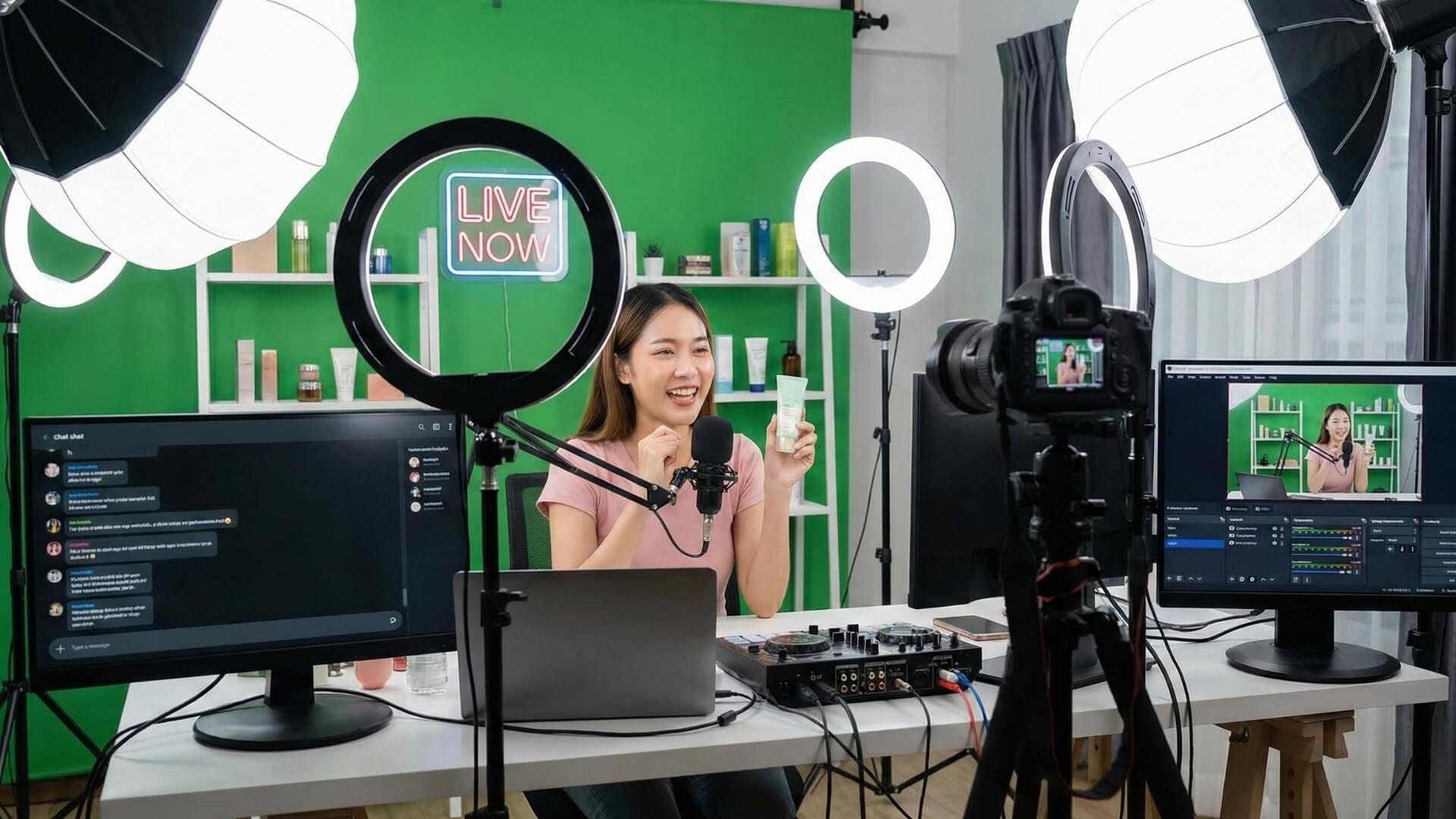
Influencer and user-generated content is one of the most effective acquisition channels for dropshipping beauty products. Instead of polished brand ads, customers respond better to real people showing real routines, textures, and results. TikTok beauty creators in particular have reshaped how skincare and makeup products go viral.
For sellers, the goal is not celebrity endorsements but volume and authenticity. Micro influencers and everyday users often deliver higher engagement and more believable results at a lower cost. Many successful dropship beauty stores work with dozens of small creators instead of a few large names, creating a steady stream of content for ads and organic posts.
UGC also functions as a reusable marketing asset. Once collected, these videos can be tested across TikTok ads, Meta ads, and product pages. This approach aligns well with a SaaS style growth loop where creatives are constantly tested, measured, and optimized.
Paid advertising remains a primary growth lever for beauty dropshipping, but the execution matters more than the platform. TikTok ads perform well for discovery and trending products, especially when creatives feel native and educational rather than promotional. Short videos showing application, texture, or routine placement often outperform direct selling ads.
Meta ads are effective for retargeting and scaling proven offers. Beauty products benefit from remarketing because customers rarely purchase on first exposure. Showing testimonials, UGC clips, and messaging helps move users closer to conversion.
YouTube Shorts ads are emerging as a strong channel for beauty, particularly for devices and higher-priced products. Longer attention spans allow for more explanation and trust building, which is critical for products that require education before purchase.
Retention is where dropshipping beauty products unlock long-term profitability, especially in categories built around daily routines and consumable items. Instead of treating repeat purchases as a bonus, successful sellers design retention systems from the start, using automation and lifecycle thinking similar to SaaS businesses.
Subscription bundles work especially well for skincare, bath and body, and men’s grooming products. By grouping complementary items into a routine and offering scheduled deliveries, sellers reduce decision fatigue and create predictable recurring revenue.
Email flows remain one of the highest ROI retention tools in dropshipping beauty. Automated sequences such as reorder reminders, routine education, and post-purchase care tips help customers get better results from the products they buy.
Refill offers lower the barrier for repeat purchases by focusing on convenience rather than discounts. Highlighting refill timing based on average usage patterns makes the brand feel thoughtful and personalized.
Loyalty programs reward consistent engagement and reinforce brand attachment. Points, tiered rewards, or early access to new products encourage customers to stay within your ecosystem rather than shopping around.
Is dropshipping beauty products profitable?
Yes, beauty dropshipping can still be profitable, but success depends heavily on positioning and supplier quality. Beauty products typically have higher average order values and strong repeat-purchase potential, especially in skincare, haircare, and personal care sub-categories. When paired with the right niche and reliable fulfillment, margins can outperform many general consumer product categories.
That said, beauty is no longer a “quick win” niche. Competition is intense, and customers are more educated than ever. Sellers who focus on problem-solving products, clear messaging, and consistent branding tend to see more sustainable results than those selling generic, trend-driven items.
Can I legally dropship skincare?
Yes, you can legally dropship skincare, but compliance is non-negotiable. Skincare products are regulated in most major markets, including the US, EU, and Japan. Sellers must ensure that products meet local cosmetic regulations, contain approved ingredients, and follow labeling and safety standards.
In practice, legal risk usually comes from working with unverified suppliers. Partnering with suppliers that already export internationally and provide proper documentation significantly reduces the risk of store shutdowns, listing removals, or customs issues. Compliance should be treated as part of your core operations, not an afterthought.
Do beauty products have high return rates?
Compared to fashion or footwear, beauty products generally do not have high return rates. However, they are more sensitive to customer expectations. Returns and complaints often stem from allergic reactions, damaged packaging, or mismatched product descriptions rather than sizing issues.
Can beginners start beauty dropshipping?
Beginners can absolutely start with beauty dropshipping, but the learning curve is steeper than in some other niches. New sellers must understand product compliance, supplier vetting, and customer education from day one. Skipping these fundamentals often leads to account restrictions or customer dissatisfaction.
What certifications do suppliers need?
The required certifications depend on the destination market, but reputable beauty suppliers should be able to provide basic compliance documentation. This often includes ingredient lists, safety data, manufacturing standards, and proof of regulatory alignment such as FDA compliance (US), CPNP registration (EU), or equivalent cosmetic approvals in other regions.
Dropshipping beauty products remains one of the most attractive opportunities in eCommerce, but only for sellers who approach it with a long-term mindset and operational discipline. The category benefits from strong demand, emotional purchasing behavior, and repeat buying cycles, yet it also comes with higher expectations around product quality, compliance, and customer experience. Success today is less about chasing trends and more about building a reliable system that customers can trust.
At the same time, marketing and retention play a defining role in growth. Beauty brands that leverage creator content, transparent messaging, and repeat purchase strategies can turn one-time buyers into loyal customers. When combined with efficient fulfillment and clear visibility across the supply chain, dropshipping beauty products becomes less of a risky experiment and more of a scalable business model.

Work with us
Our solutions
Address:
 〒136-0082, Japan, Tokyo, Koto-ku, Shinkiba 3-5-6, 5F
Connect us:


Japan
〒136-0082, Japan, Tokyo, Koto-ku, Shinkiba 3-5-6, 5F
Texas, USA
1606 Audrey Dr, Garland, TX 75040, United States
California, USA
1316 John Reed Ct, City of Industry, CA 91745, United States