

News
Ichiba OnePlatform Team - 20/05/2026
In this article
As global supply chains continue to diversify, more sellers are turning their attention to India as a powerful and often overlooked sourcing destination. With its strong manufacturing base, rich cultural product diversity, and increasingly accessible logistics network, dropship from India is quickly becoming a viable strategy for sellers looking to stand out in competitive markets.
For entrepreneurs exploring dropshipping from India to the USA, the appeal goes beyond just cost savings. Indian suppliers offer a wide range of unique, story-driven products such as handmade crafts, ethnic fashion, and wellness goods that resonate strongly with niche audiences in the US. At the same time, the rise of ecommerce platforms like Shopify and Amazon has made it easier than ever to test and scale US dropshipping from India without heavy upfront investment.
That said, success in this model requires a clear understanding of how cross-border operations work, from supplier selection and product validation to shipping timelines and compliance considerations.
As global ecommerce becomes increasingly borderless, more sellers are exploring alternative sourcing markets that offer both cost advantages and product differentiation. In this context, dropshipping from India to the USA refers to a business model where sellers source products from Indian suppliers and sell directly to customers in the United States, without holding inventory themselves. While the operational flow is similar to traditional dropshipping, the key difference lies in the sourcing strategy and the type of products being offered.
Rather than relying on highly saturated supply chains, dropship from India allows sellers to tap into a unique ecosystem of manufacturers, artisans, and niche product categories that are less common in mainstream US marketplaces. This makes it particularly attractive for sellers who want to build a differentiated brand instead of competing purely on price.
Understanding the workflow is essential before launching a dropshipping business in the USA from India. Although the concept is straightforward, execution requires coordination between multiple parties across different countries.
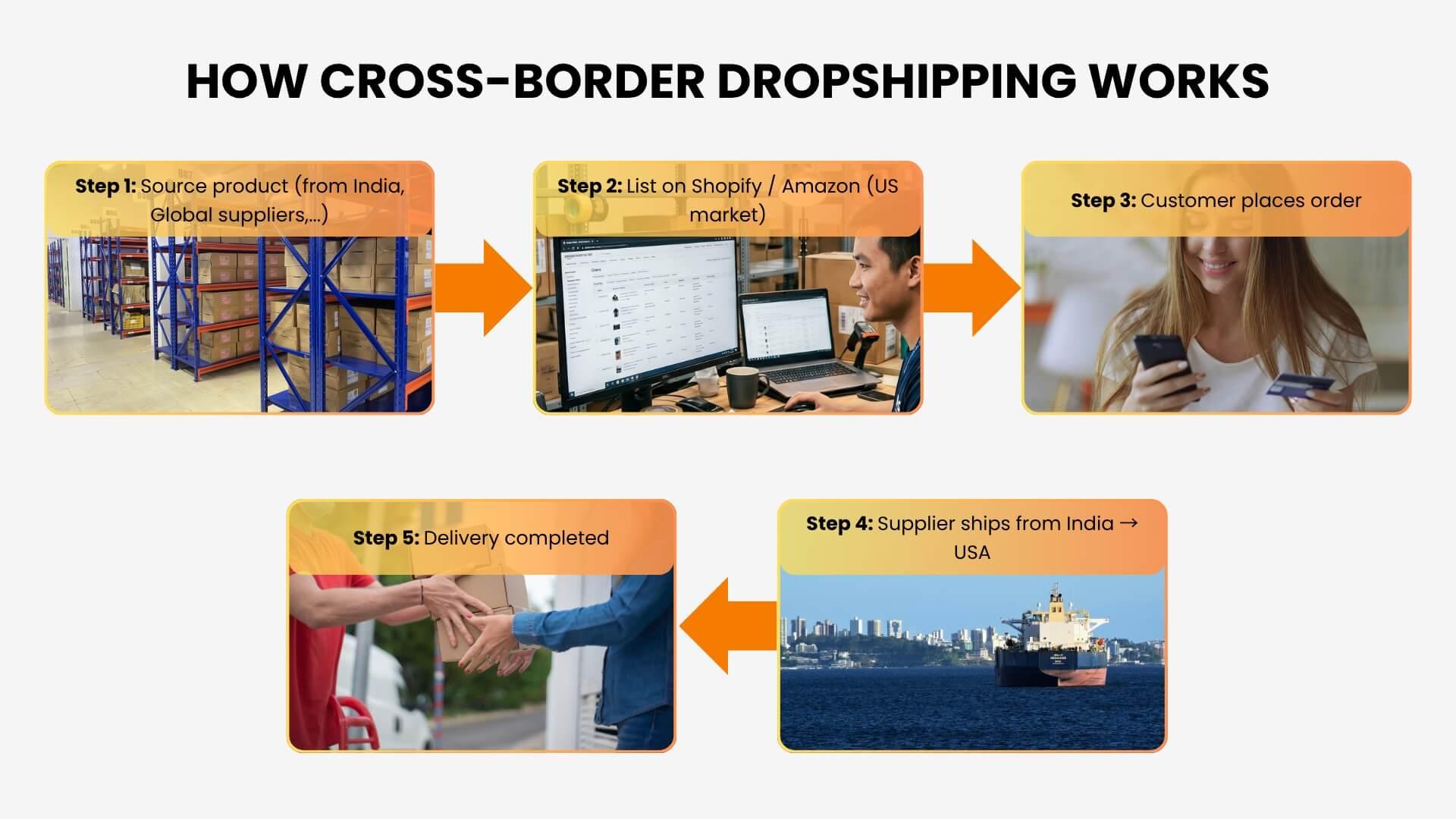
The process typically unfolds as follows:
Step 1: Source products
Sellers identify products from Indian manufacturers, wholesalers, or global supplier networks. These could include handmade goods, fashion items, or wellness products that have a strong appeal in the US market.
>> Read more: How to Find Winning Dropshipping Products and Reliable Suppliers
Step 2: List products on sales channels
Products are then listed on platforms like Shopify or Amazon, targeting US customers. At this stage, sellers set pricing, optimize product pages, and position their brand.
Step 3: Customer places an order
Once a customer in the US places an order, the seller collects payment through their storefront.
Step 4: Supplier ships from India to the USA
The order details are forwarded to the supplier in India, who then handles packaging and international shipping directly to the customer.
Step 5: Delivery completed
The product is delivered to the end customer, completing the fulfillment cycle without the seller ever handling inventory.
Choosing the right sourcing country plays a critical role in long-term success. In recent years, India has emerged as a strong alternative for US dropshipping from India, especially for sellers targeting niche and premium segments.
One of the most compelling advantages lies in competitive manufacturing costs. India offers relatively low production costs across various industries, which helps sellers maintain healthy profit margins even after factoring in international shipping.
At the same time, India is globally recognized for its craftsmanship and cultural diversity. From handmade decor to traditional textiles, the country offers a wide range of products that carry strong storytelling potential. This is particularly valuable in the US market, where consumers increasingly gravitate toward unique, authentic, and ethically sourced products.
Another important factor is market saturation. Compared to China-based products that dominate many ecommerce platforms, Indian products are still relatively underrepresented. This creates an opportunity for sellers to enter less competitive niches and build a distinct brand identity.
To better understand where India stands, it is useful to compare it with other popular sourcing options. Each market comes with its own strengths and trade-offs, and the right choice depends on your business goals.
Factor | India | China | US Suppliers |
Cost | Low to medium | Very low | High |
Shipping Speed | Medium (5–20 days) | Medium (7–15 days) | Fast (2–5 days) |
Product Uniqueness | High (handmade, cultural) | Low to medium (mass-produced) | Medium (branded, standardized) |
India stands out for its balance between cost efficiency and product uniqueness. While it may not match the speed of US-based suppliers, it offers significantly more differentiation compared to mass-produced goods from China. For sellers focused on branding and niche positioning, this trade-off is often well worth it.
>>> Also read: Best Dropshipping Apps in India
Choosing the right product is often the difference between a store that struggles to gain traction and one that scales profitably. When it comes to dropship from India, product selection becomes even more critical because the strength of this sourcing model lies in uniqueness rather than speed or mass production. Sellers who understand how to align Indian product advantages with US consumer demand are far more likely to succeed.
Given India’s manufacturing landscape and cultural heritage, certain categories consistently perform well in dropshipping from India to the USA. These products tend to combine craftsmanship, storytelling, and niche appeal.
Handmade crafts
Artisan-made products such as hand-carved items, textiles, and pottery offer a level of authenticity that mass-produced goods cannot replicate. These products are ideal for sellers targeting customers who value craftsmanship and ethical sourcing.
Ethnic fashion (sarees, scarves)
Traditional Indian clothing and accessories can be repositioned for global audiences as bohemian or festival fashion. Lightweight scarves, embroidered fabrics, and unique patterns often resonate strongly with US consumers looking for distinctive styles.
Jewelry and accessories
Handmade jewelry, especially pieces that incorporate natural stones or traditional designs, performs well in niche markets. These products are typically lightweight, making them suitable for international shipping.
Home decor (boho, handmade)
Items such as wall hangings, cushion covers, rugs, and decorative pieces align perfectly with the ongoing boho and minimalist decor trends in the US. These products are particularly effective for brand-driven stores.
Ayurvedic and wellness products
India is globally known for its Ayurvedic heritage. Products like herbal oils, incense, and natural wellness items can attract health-conscious consumers, although sellers must pay close attention to regulations when entering the US market.
While product categories provide a starting point, understanding why certain products perform well is what allows sellers to scale effectively. In the context of US dropshipping from India, two key factors stand out.
Niche appeal (bohemian, eco-friendly)
US consumers are increasingly drawn to products that reflect personal identity and lifestyle choices. Items that align with bohemian aesthetics, sustainability, or handmade values tend to attract more engaged audiences and a higher willingness to pay.
Story-driven products
Products with a clear origin story or cultural background often outperform generic alternatives. When sellers highlight the craftsmanship, heritage, or social impact behind a product, they create a stronger emotional connection with buyers, which can significantly improve conversion rates.
Not every product is suitable for dropshipping in the USA from India, especially when factoring in logistics and compliance. Avoiding the wrong categories can save both cost and operational headaches.
Heavy items (high shipping cost)
Large or bulky products quickly erode profit margins due to expensive international shipping fees. Even if the base cost is low, the total landed cost may become uncompetitive.
Fragile goods
Products that are prone to damage during long-distance transit increase the risk of refunds, replacements, and negative customer experiences. This is particularly problematic when shipping internationally.
Regulated products (cosmetics, supplements)
Although categories like wellness and beauty are attractive, they often come with strict import regulations in the US. Without proper certifications and compliance, sellers risk account suspension or legal issues, especially on platforms like Amazon.
Finding the right supplier is one of the most critical steps when building a successful dropship from India business. While product selection determines your market positioning, supplier quality directly impacts fulfillment speed, product consistency, and overall customer satisfaction. Because dropshipping from India to the USA involves cross-border logistics, choosing reliable partners becomes even more important than in domestic models.
India offers a diverse supplier ecosystem, and understanding the different types available will help you choose the right approach based on your business goals.
Manufacturers (best margins)
Working directly with manufacturers often provides the lowest product cost and the highest profit margins. This model is ideal for sellers who want to scale and eventually move toward private label. However, it usually requires more effort in communication, negotiation, and quality control.
Wholesalers
Wholesalers act as intermediaries between manufacturers and sellers. While margins may be slightly lower compared to working directly with factories, wholesalers typically offer more flexibility, smaller minimum order requirements, and easier onboarding for beginners.
Marketplace suppliers
Marketplace sourcing is one of the most accessible entry points for beginners exploring dropshipping in USA from India. These platforms aggregate multiple suppliers and often provide built-in logistics or integrations.
Within this category, sellers can choose from:
Dropshipping from India marketplaces
Dropshipping from China platforms
Dropshipping from US and UK suppliers
This hybrid sourcing strategy allows sellers to combine the uniqueness of Indian products with faster fulfillment options from other regions when needed.
To successfully execute dropshipping from India, sellers often rely on a mix of platforms depending on their sourcing and fulfillment strategy.
For India sourcing
IndiaMART
One of the largest B2B marketplaces in India, offering access to thousands of manufacturers and wholesalers across multiple categories. It is particularly useful for sourcing handmade goods, textiles, and industrial products.
TradeIndia
Similar to IndiaMART, this platform connects sellers with Indian suppliers and exporters. It is a good starting point for identifying niche products and building supplier relationships.
ExportersIndia
Focused on global trade, this platform is useful for sellers specifically targeting international markets like the US. It often features suppliers experienced in export processes.
For global and hybrid sourcing
Alibaba
Although China is focused, Alibaba can complement Indian sourcing by offering alternative suppliers for standardized products or components. While India provides uniqueness, Alibaba offers scalable manufacturing, consistent product quality, and strong supplier infrastructure
AliExpress
Widely used for beginner-friendly dropshipping due to its low barrier to entry and direct integration with ecommerce platforms. It allows sellers to quickly test products without negotiating with suppliers.
Global Sources
A curated B2B platform that offers higher-quality suppliers, often suitable for scaling businesses. Global Sources is a more curated B2B platform that focuses on verified suppliers and higher quality products. It is often used by more advanced sellers who prioritize consistency over variety.
For US and fast fulfillment options
Spocket
Spocket is designed for ecommerce sellers who prioritize ease of use and faster fulfillment. Instead of negotiating with suppliers, sellers can browse a curated catalog and import products directly into their store. Its biggest advantage is workflow simplicity. Compared to IndiaMART, which requires manual coordination, Spocket offers a more streamlined process from sourcing to listing.
CJ Dropshipping
Offers global fulfillment solutions, including warehousing and sourcing services that can support hybrid strategies. One of its key advantages is control over fulfillment. CJ can store inventory, handle packaging, and ship orders directly, making it more flexible than traditional supplier networks.
IChiba OnePlatform
An all in one dropshipping and fulfillment solution designed for cross border sellers. IChiba OnePlatform connects sellers with suppliers from multiple regions including India, China, Japan, and the US, allowing you to diversify sourcing while maintaining centralized order management.
The platform supports product sourcing, automated order processing, and global fulfillment, making it especially useful for sellers looking to scale dropshipping from India to USA with a hybrid strategy. By combining supplier access with logistics and automation tools, IChiba helps reduce operational complexity and improve efficiency.
In practice, many successful sellers do not rely on a single supplier type. Instead, they combine Indian manufacturers for unique products with global or US suppliers to optimize shipping speed and customer experience. This flexible approach allows you to build a more resilient and scalable dropshipping from India to USA business model.
When building a dropship from India business targeting the US market, choosing the right sales channel is just as important as selecting products or suppliers. Among the most popular options, Shopify and Amazon offer two very different approaches to dropshipping from India to USA, each with its own advantages, limitations, and long-term implications.
Rather than asking which platform is better, a more practical question is which one aligns best with your business model, resources, and growth strategy.
For sellers who prioritize brand building and long-term scalability, Shopify is often the preferred choice. Instead of relying on an existing marketplace, Shopify allows you to create your own storefront and control the entire customer experience.
One of the biggest advantages of Shopify India dropshipping lies in full control. You have complete ownership over your website design, product positioning, pricing strategy, and customer data. This flexibility makes it easier to build a differentiated brand, especially when selling unique Indian products with strong storytelling potential.
At the same time, Shopify provides significant opportunities for branding. From custom packaging to personalized customer journeys, sellers can create a cohesive brand identity that increases perceived value and customer loyalty.
However, this level of control comes with a tradeoff. Shopify requires sellers to actively drive traffic through paid ads, SEO, or social media. Without a solid marketing strategy, even well-curated products may struggle to generate sales.
On the other hand, Amazon offers immediate access to a massive customer base, making it an attractive option for beginners entering Amazon dropshipping in India. Instead of building traffic from scratch, sellers can leverage Amazon’s existing ecosystem to gain visibility.
The main advantage here is high traffic. Millions of US customers browse Amazon daily, which significantly reduces the barrier to entry for new sellers. For those testing products or validating demand, this can be a major advantage.
However, Amazon operates under strict policies, especially when it comes to dropshipping. Sellers must ensure they comply with Amazon’s rules regarding order fulfillment, branding, and supplier transparency. Failure to do so can result in account suspension.
Another limitation is reduced control. Unlike Shopify, sellers have limited ability to customize product pages, build brand identity, or access customer data. This makes it harder to establish a long-term brand when relying solely on Amazon.
To better understand the differences between the two platforms, the table below highlights key factors that impact dropshipping in USA from India.
Factor | Shopify | Amazon |
Control | Full control over the store and brand | Limited control |
Traffic | Requires marketing efforts | Built in high traffic |
Risk | Lower platform risk | Higher risk due to strict policies |
In practice, many experienced sellers combine both platforms instead of choosing just one. They may use Amazon to validate products and generate initial sales, then transition to Shopify to build a brand and improve margins. This hybrid approach is particularly effective for scaling US dropshipping from India in a sustainable way.
While product selection and supplier sourcing lay the foundation, logistics ultimately determine whether your dropship from India business can deliver a competitive customer experience. Shipping from India to the United States introduces additional layers of complexity, including longer transit times, higher costs, and customs procedures. Understanding how to manage these variables effectively is essential for scaling dropshipping from India to USA.
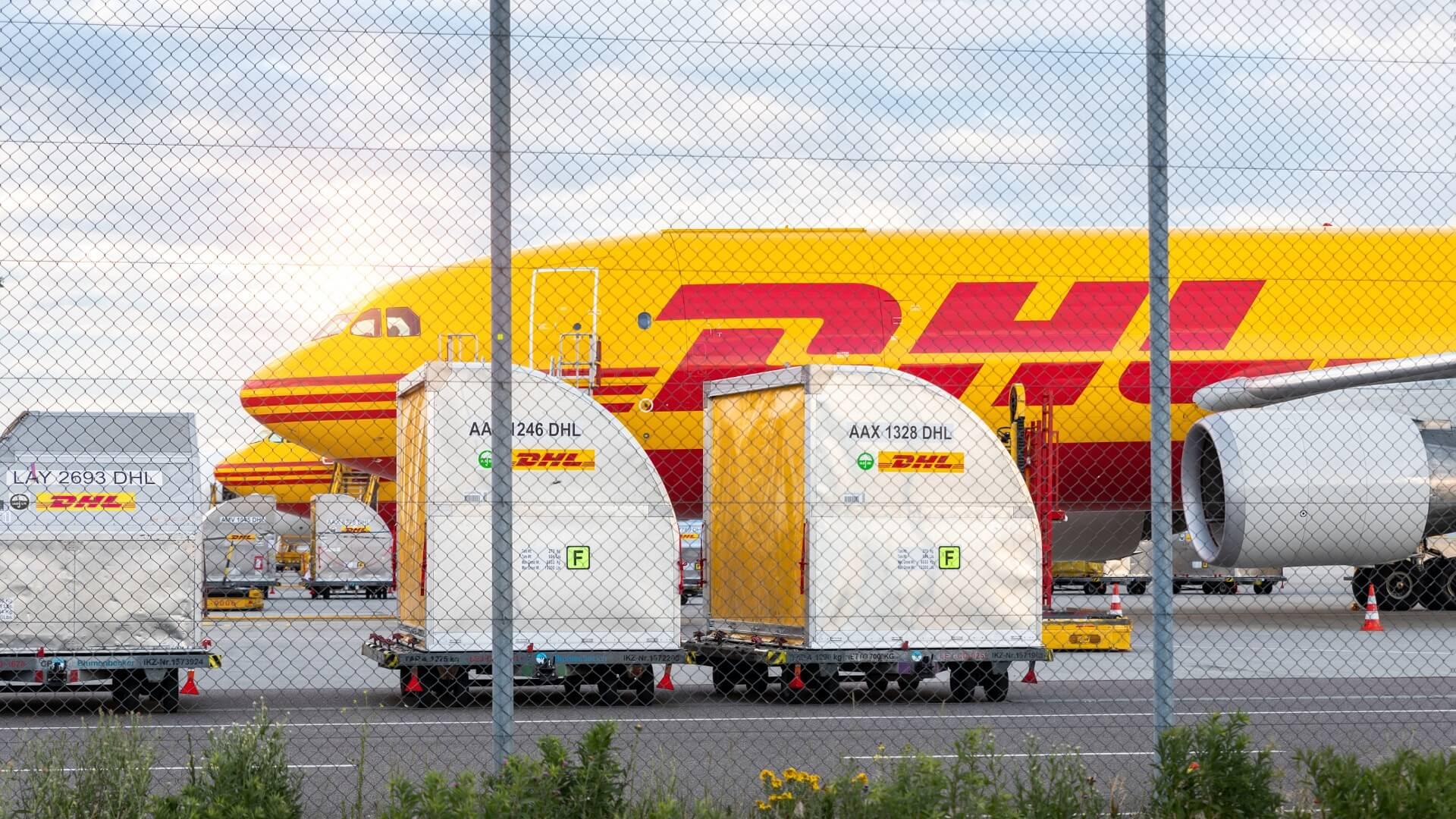
Choosing the right shipping method depends on your pricing strategy, target audience, and product type. In most cases, sellers use a mix of options to balance cost and delivery speed.
India Post (cost-efficient, slower)
India Post is one of the most affordable options for international shipping. It is suitable for low-cost products where longer delivery times are acceptable. However, tracking may be limited, and delivery timelines can be inconsistent.
DHL / FedEx (fast, premium)
Express carriers such as DHL and FedEx offer significantly faster shipping times and reliable tracking. These services are ideal for higher-value products or customers willing to pay for faster delivery. The main downside is higher shipping costs, which can impact margins.
Freight forwarders
Freight forwarders act as intermediaries that consolidate shipments and manage international logistics. This option is particularly useful for sellers planning to scale, as it allows for more flexible shipping strategies and better cost optimization over time.
Managing customer expectations is critical in dropshipping in USA from India, especially since shipping times are longer compared to domestic fulfillment.
Standard shipping: Typically ranges from 10 to 20 days, depending on the carrier and destination within the US.
Express shipping: Usually takes 5 to 10 days, offering a better customer experience at a higher cost.
Clear communication on product pages and checkout is essential to reduce disputes and refund requests.
To accurately price your products and maintain profitability in the US dropshipping from India, you need to understand the full cost structure.
Product cost
This is the base price from your supplier. Working directly with manufacturers can help reduce this cost and improve margins.
Shipping fee
Shipping is often the most variable component. It depends on package weight, dimensions, shipping method, and delivery speed.
Customs and duties
Depending on the product category and declared value, shipments entering the US may be subject to import duties or taxes. While many low value shipments may pass without additional charges, it is important to factor in potential costs to avoid unexpected losses.
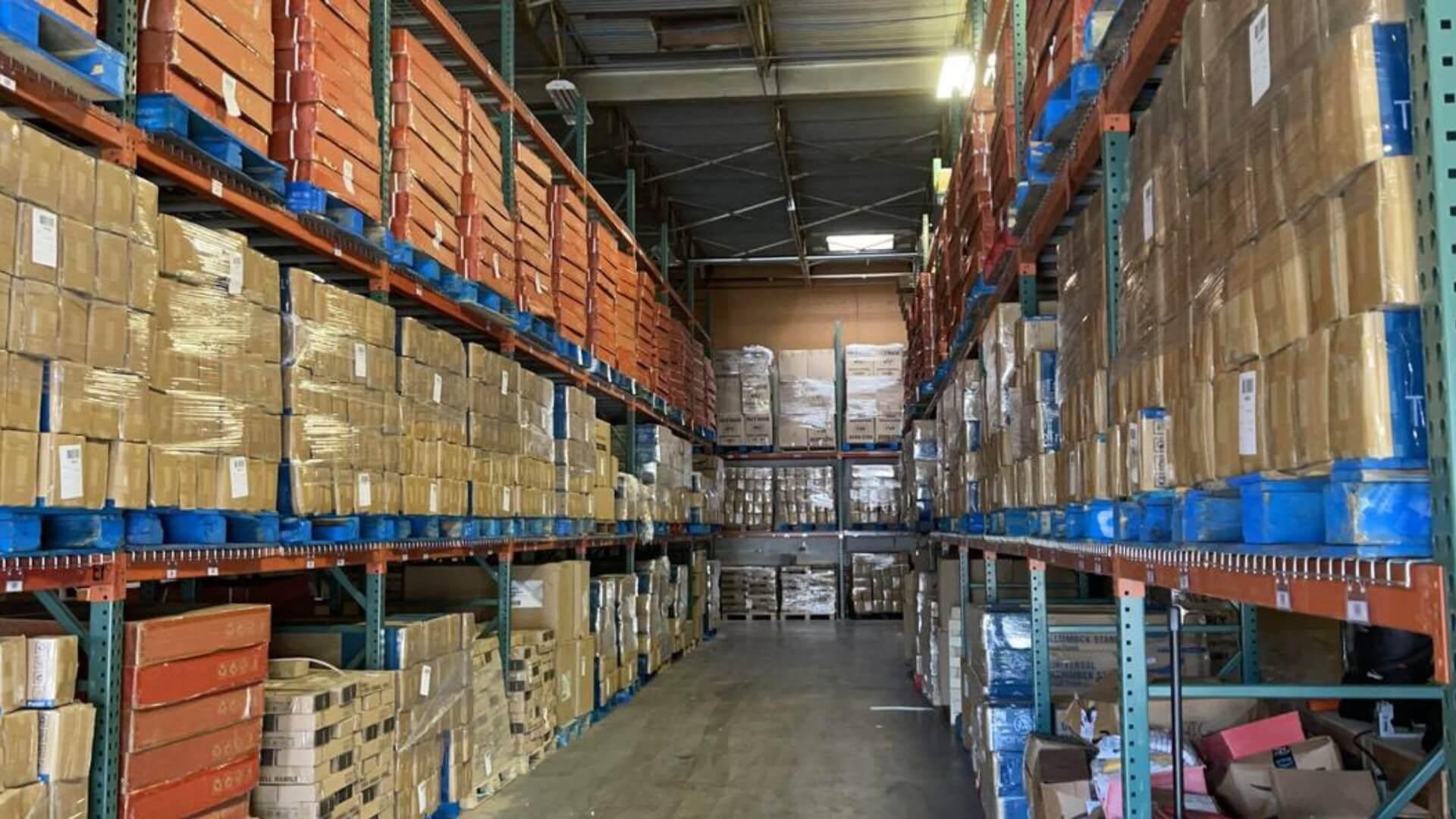
As your business grows, relying solely on direct shipping from India may limit your scalability. This is where a hybrid fulfillment model becomes valuable.
Instead of shipping each order individually, sellers can bulk ship inventory to a US warehouse. From there, orders are fulfilled locally, significantly reducing delivery times and improving customer satisfaction.
This approach offers several advantages. Faster shipping enhances conversion rates and reduces refund requests. It also allows for better quality control and more consistent packaging. At the same time, storing inventory closer to customers opens up opportunities for advanced marketing strategies such as faster delivery guarantees.
Although this model requires upfront investment and inventory planning, it is often a necessary step for scaling a sustainable dropshipping business from India to the USA.
Once your store starts generating consistent orders, the next challenge is turning a working model into a scalable and sustainable business. While getting started with dropship from India is relatively accessible, scaling requires a shift in mindset from short-term testing to long-term brand building and operational efficiency. Sellers who succeed in dropshipping from India to the USA typically focus on strengthening supplier relationships, improving product positioning, and optimizing fulfillment systems.
As order volume increases, relying on transactional relationships with suppliers can quickly become a bottleneck. Instead, successful sellers invest time in building long-term partnerships.
Negotiating better pricing becomes possible once you can demonstrate consistent order volume. Even small reductions in unit cost can significantly improve margins at scale. Beyond pricing, communication plays a key role. Clear expectations around quality standards, packaging, and processing time help reduce errors and ensure a smoother fulfillment process.
Another important opportunity lies in custom packaging. By working closely with suppliers, you can introduce branded packaging elements that enhance customer experience and reinforce your brand identity. This is particularly valuable when selling unique Indian products where presentation adds perceived value.
As your business matures, moving from generic dropshipping to private label is often the most effective way to build a defensible brand.
Private label allows you to customize products, create exclusive designs, and differentiate yourself from competitors who may be selling similar items. In the context of US dropshipping from India, this could involve modifying patterns, materials, or packaging to better suit US customer preferences.
Branding becomes a central focus at this stage. Instead of competing purely on price, you position your products based on story, quality, and customer experience. This shift not only improves margins but also increases customer loyalty and repeat purchase rates.
After establishing a stable presence in the US, expanding into additional markets can unlock new growth opportunities. Many sellers gradually move from the US to other English-speaking markets such as the UK, and then into broader European regions.
Each market comes with its own demand patterns, regulations, and logistics considerations. However, the core advantage of sourcing from India remains relevant, especially for niche and culturally rich products.
Expanding into multiple markets also helps diversify risk. Instead of relying on a single customer base, you build a more resilient business that can adapt to changes in platform policies or market conditions.
Scaling manually is not sustainable, particularly when managing cross-border operations. Automation tools play a crucial role in streamlining workflows and reducing operational overhead.
For Shopify India dropshipping, various apps can help automate order processing, inventory updates, and tracking synchronization. These tools reduce the need for manual intervention and minimize errors.
On the fulfillment side, integrating with logistics platforms or third-party fulfillment services can significantly improve efficiency. Automated systems allow you to process higher-order volumes without proportionally increasing workload.
Ultimately, scaling dropshipping in the USA from India is about building systems rather than relying on ad hoc processes. By combining strong supplier partnerships, brand development, market expansion, and automation, sellers can transform a simple dropshipping setup into a long-term ecommerce business.
Can I dropship from India to the USA?
Yes, you can legally run a dropshipping from India to USA business. There are no restrictions on sourcing products from India and selling to US customers, as long as you comply with import regulations, product standards, and platform policies. It is important to ensure that your suppliers can handle international shipping and provide proper documentation when needed.
Is dropshipping from India profitable?
It can be highly profitable if executed correctly. The main advantage of US dropshipping from India lies in lower sourcing costs combined with unique product offerings. Sellers who focus on niche, high perceived value products and strong branding tend to achieve better margins compared to those competing on generic items.
How long does shipping take from India to the USA?
Shipping time depends on the method used. Standard shipping typically takes around 10 to 20 days, while express options can deliver within 5 to 10 days. Managing customer expectations is critical in dropshipping in USA from India, as longer delivery times can impact customer satisfaction if not communicated clearly.
Can I use Shopify for India dropshipping?
Yes, Shopify is one of the most popular platforms for Shopify India dropshipping. It allows you to build your own store, control branding, and integrate with various dropshipping and fulfillment tools. However, you will need to handle marketing and traffic generation yourself.
Is Amazon dropshipping allowed from India?
Amazon does allow dropshipping, but it comes with strict rules. Sellers must ensure they are the seller of record, remove any third-party branding from packages, and take full responsibility for customer service and returns. When doing Amazon dropshipping in India, failing to comply with these policies can lead to account suspension.
What products sell best from India?
Products that perform well usually fall into categories such as handmade crafts, ethnic fashion, jewelry, home decor, and wellness items. In general, items with strong storytelling, cultural value, or niche appeal tend to succeed in dropshipping from India to the USA.
Do I need GST for dropshipping in India?
If you are operating as a business entity in India or working directly with Indian suppliers, GST registration may be required depending on your business structure and transaction flow. It is advisable to consult with a tax professional to ensure compliance with local regulations.
Is India better than China for dropshipping?
India is not necessarily better than China, but it serves a different strategy. While China offers faster and more standardized production, India excels in product uniqueness and cultural differentiation. For sellers focusing on branding and niche markets, dropship from India can offer a strong competitive advantage.
As ecommerce continues to evolve, relying on traditional sourcing models is no longer the only path to success. For sellers looking to differentiate in a crowded market, dropship from India offers a compelling alternative that combines cost efficiency with product uniqueness. Instead of competing in saturated categories, this model allows you to build a brand around authenticity, craftsmanship, and storytelling.
For those willing to approach it with the right mindset, US dropshipping from India can evolve from a simple low-risk business model into a scalable ecommerce brand. Whether you start by testing products on marketplaces or building your own store, the key lies in focusing on differentiation, building strong supplier relationships, and gradually optimizing your fulfillment strategy.
In the end, success in dropshipping in USA from India comes down to execution. With the right products, reliable partners, and a clear growth plan, you can turn this emerging sourcing trend into a sustainable and profitable business.

Work with us
Our solutions
Address:
 〒136-0082, Japan, Tokyo, Koto-ku, Shinkiba 3-5-6, 5F
Connect us:


Japan
〒136-0082, Japan, Tokyo, Koto-ku, Shinkiba 3-5-6, 5F
Texas, USA
1606 Audrey Dr, Garland, TX 75040, United States
California, USA
1316 John Reed Ct, City of Industry, CA 91745, United States