

News
Ichiba OnePlatform Team - 04/06/2026
In this article
Dropshipping golf equipment from Japan can be a strong niche for sellers who want higher-value products, a clearer sourcing story, and less generic competition.
Japan is worth watching because it has premium golf brands, hard-to-find domestic models, and a strong secondhand golf market. For international sellers, this creates a chance to build a differentiated catalog instead of selling the same generic golf accessories available everywhere.
Still, dropshipping golf equipment is not as simple as finding a good-looking club and listing it online. A driver, putter, or iron set may look profitable at first, but the margin can shrink quickly after domestic Japan shipping, proxy fees, international delivery, import duties, and platform fees.
This guide breaks down how to choose Japanese golf products, where to source them, how to calculate landed cost, how to dropship golf clubs, and which mistakes to avoid before scaling.
Golf has three things dropshipping sellers usually look for: steady demand, higher average order value, and repeat upgrade behavior.
According to Fortune Business Insights, the global golf equipment market was valued at USD 8.98 billion in 2025. It is projected to grow from USD 9.55 billion in 2026 to USD 15.57 billion by 2034.
In the United States, the National Golf Foundation reported 48.1 million golf participants in 2025 across on-course and off-course formats. Europe also remains a major golf region, with The R&A and EGA publishing 2024 participation estimates across 50 European countries.
These numbers show that golf is not just a narrow hobby niche. It has become a sports, lifestyle, and performance gear category with clear buyer demand.
For this reason, dropshipping golf equipment from Japan works best when sellers connect market demand with a more specific sourcing advantage.
For sellers, the stronger angle is Japan sourcing.
Japan offers product sources that fit cross-border ecommerce well: trusted brands, active secondhand supply, domestic-market models, and listings that often include clearer product details than generic sourcing channels.
A golfer may already own a starter set, but still want to upgrade a putter, test a different shaft, find a more forgiving driver, replace a wedge, or look for a Japanese model that is hard to buy locally. That is why dropshipping golf products can cover several layers, from entry-level accessories to premium used clubs.
Instead of competing with mass-market items on Amazon, sellers can build a store around Japanese golf clubs, used premium golf equipment, Japan-only releases, collectible golf accessories, and Japanese golf apparel.
This positioning makes dropshipping golf equipment more defensible than selling generic golf products that many stores can copy.
Japanese golf equipment has a strong reputation for manufacturing quality, product finishing, and playing feel.
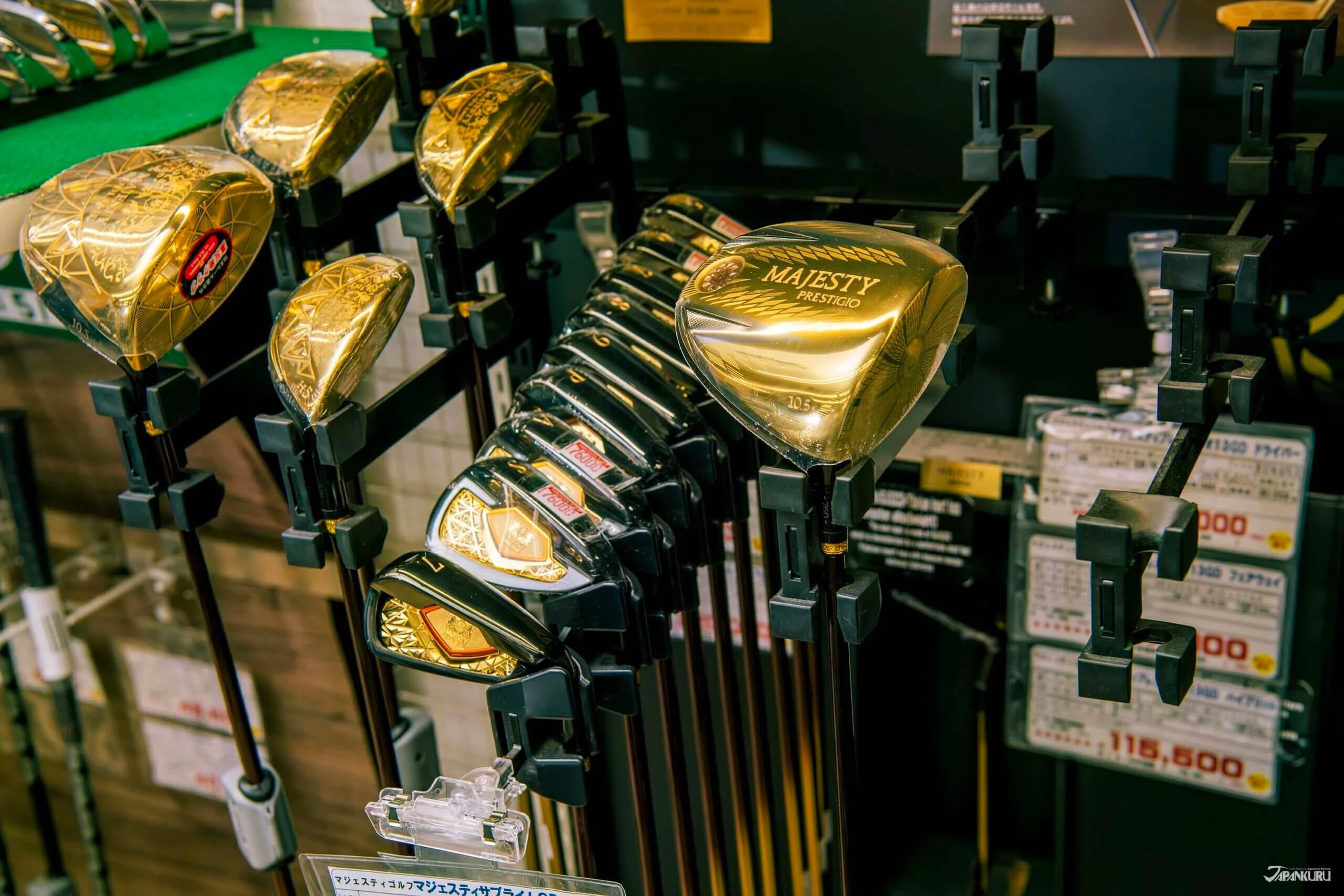
Brands such as Miura, Honma, Yamaha, Bridgestone, Mizuno, XXIO, PRGR, and Fourteen are often mentioned by golfers who care about feel, precision, and craftsmanship. Some product lines are designed mainly for the Japanese domestic market, which makes them more appealing to international buyers looking for something different.
Secondhand supply is another advantage. Many used golf clubs from Japan are well kept, photographed clearly, and listed with condition notes and product specifications. For dropshipping, that matters because buyers cannot inspect the product in person before purchase.
The main advantage is differentiation. Sellers can build a catalog around products with a clearer story: used Japanese clubs, JDM models, limited releases, or golf accessories that are harder to find in local stores.
Not every golf product is suitable for dropshipping.
Before starting dropshipping golf equipment, sellers should filter products by buyer intent, shipping risk, and resale potential.
A good product needs more than demand. It should have clear specs, visible condition, manageable shipping risk, and enough price gap after shipping to protect profit.
For this niche, sellers should choose products based on golfer intent, not only product category.
Golf clubs are the core category for sellers who want higher order value.
But sellers should not treat all clubs the same. Each club type reflects a different buyer intent.
Drivers usually attract buyers who want more distance, more forgiveness, or newer technology. They can bring strong AOV, but sellers must check package length, clubhead condition, shaft details, and protective packaging.
Iron sets usually create higher order value, especially forged irons from Japanese brands. However, they are also harder to handle because they are heavier, contain more pieces, and can become expensive to ship. Without careful landed cost calculation, an iron set can look profitable but leave a thin margin.
Putters are often easier for beginners to test. They are easier to handle than full sets, the buyer intent is clear, and limited or Japan-only models can attract both players and collectors.
Wedges and hybrids sit in the middle. They are not as expensive as full sets, but still appeal to serious golfers. Buyers in this group often care about loft, bounce, shaft, face condition, and playing feel.
For sellers learning how to dropship golf clubs, putters, wedges, and single clubs are usually safer than iron sets or golf bags. In dropshipping golf equipment, these products help sellers test demand without taking on the shipping risk of full sets.
They are easier to package and less stressful for cash flow.
The product page must be specific. A listing that only says “used Japanese golf club, good condition” is not enough. Include the brand, model, loft, shaft, flex, length, grip condition, headcover status, and clear condition photos.
Golf accessories do not create the same AOV as clubs, but they make the catalog easier to sell and reduce shipping risk.
Gloves, golf balls, headcovers, rangefinders, grip tools, tees, alignment sticks, and training aids can help sellers build bundles or increase cart value.
For example, a buyer who orders a putter may also need a headcover, golf balls, or a glove. A buyer who orders a rangefinder may also want a case, strap, or protective accessory.
The main risk is selling accessories that are too generic. Products with no brand, no clear use case, or too many similar listings will quickly become price-driven.
A better approach is to choose accessories with at least one of these traits:
Clear brand or origin
Connection to Japanese golf lifestyle
Easy to bundle with clubs
Limited or hard-to-find design
Clear practical use on the product page
Whether sellers call it dropshipping golf products or drop shipping golf products, accessories should support the main offer instead of filling the store with random low-value items.
Japanese golf apparel can work well for sellers who want the store to feel less technical and more lifestyle-driven.
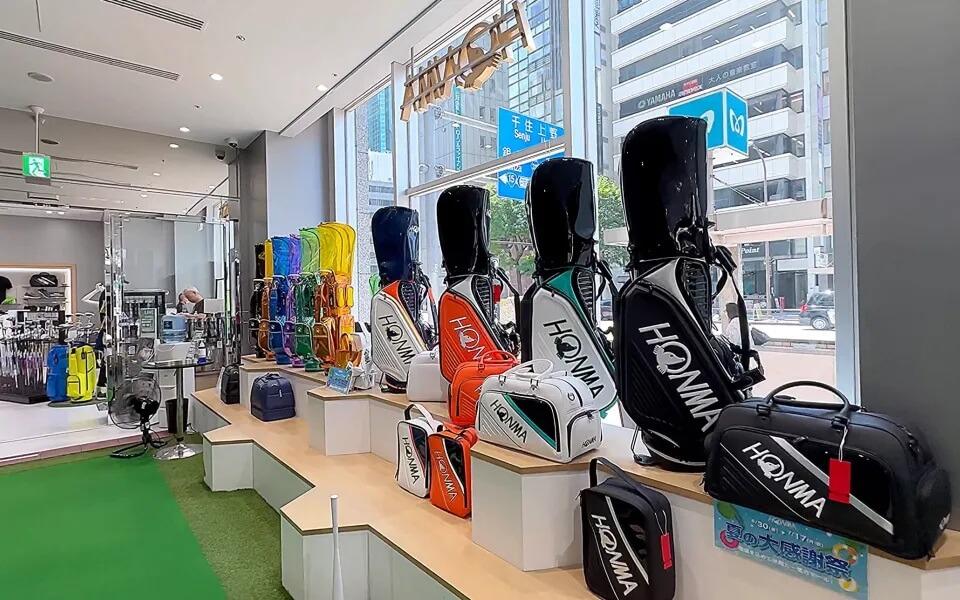
Golf is not only a sport. For many younger players, it is also a social activity, a personal style choice, and part of their outdoor lifestyle. Products such as polo shirts, caps, jackets, socks, golf bags, and limited collections can attract buyers who care about how they look on the course.
This category is easier to ship than golf clubs, but sizing needs careful handling. Japanese sizing may run smaller than US or EU sizing. If the product page does not include measurements, the return risk increases.
For apparel, prioritize listings with real photos, fabric information, size charts, and fit notes. If the item is used, describe the condition clearly instead of using vague phrases like “good condition.”
Collectible golf products should not be treated as a small add-on category. They can become a separate angle for store differentiation.
Buyer Intent | Products to Source | Why It Works |
Hard-to-find models | Japan-only putters, discontinued irons, JDM drivers | Less direct competition with local stores |
Collecting | Vintage clubs, rare headcovers, signed items | Buyers care more about rarity than lowest price |
Controlled upgrade | Used premium clubs, single wedges, putters | Easier to test than full sets, while keeping solid AOV |
Lifestyle differentiation | Japanese golf apparel, bags, caps | Better brand positioning than generic accessories |
For collectible items, trust matters most. Buyers need clear photos, honest condition notes, reliable sourcing, and descriptions that do not exaggerate rarity.
Japanese golf products can be sourced from marketplaces, auction platforms, secondhand listings, and proxy buying services.
This is where dropshipping golf equipment differs from many low-ticket niches: the sourcing channel can shape the entire margin.
The goal is not to find the cheapest item. The goal is to find products with clear specs, reliable condition, and enough margin after landed cost.
Read more in: Dropshipping Japanese Products in 2026: How to Source, Sell, and Scale Authentic Japanese Goods Globally.
Rakuten Japan is useful for both new and used golf products, including clubs, balls, bags, apparel, and accessories. Listings are often more structured, with seller reviews and brand filters.
Yahoo Auctions Japan is strong for secondhand products, vintage clubs, discontinued models, and hard-to-find items. Auction prices can create sourcing opportunities, but sellers must account for final bidding price, platform fees, domestic shipping, and the risk of price jumps near the end of an auction.
Mercari Japan is useful for individual secondhand listings. It can surface good deals, but sellers need to check photos, descriptions, seller ratings, and whether the item may sell quickly.
Secondhand golf shops in Japan are also worth tracking. Some used golf retailers provide clearer condition grading than general marketplaces. For higher-value products, a well-graded listing can be safer than a cheap listing with weak information.
Many international sellers cannot buy directly from Japanese marketplaces because they may need local payment methods, a Japanese shipping address, or domestic delivery handling.
Proxy and buying services help solve this gap.
Janbox can help buyers access products from Japan, consolidate packages, and arrange international shipping. For sellers testing Japanese golf products, this model is useful because they can source from Rakuten, Yahoo Auctions, Mercari, or other Japan-based shops without building local infrastructure.
Buyee is another popular proxy option for Japanese marketplaces and auctions, especially for international buyers who want access to Yahoo Auctions Japan.
ZenMarket also supports purchases from Japanese shops and auctions, then handles international shipping after items arrive at its warehouse.
For dropshipping, the main value of a proxy service is control. Sellers can buy from multiple sources, receive items at one warehouse, compare shipping costs, and choose the best delivery method before shipping to customers.
Supplier selection matters more in golf than in many other niches because buyers care about details.
A product page that misses shaft flex, loft, club length, grip condition, or headcover status can lead to disputes. A listing that hides scratches, dents, or face wear can damage store trust.
Before sourcing, check:
Seller rating.
Prioritize sellers with strong feedback, clear transaction history, and consistent listing quality.
Condition grading.
Look for listings that clearly describe the clubhead, shaft, grip, face condition, scratches, dents, and included accessories.
Photo quality.
Photos should show several angles: clubface, sole, shaft, grip, serial number, or logo when available. Avoid listings with only one general product image.
Spec completeness.
Golf buyers often need loft, flex, shaft model, length, lie angle, grip type, and club condition. If key specs are missing, ask before buying.
Return and refund policy.
Secondhand golf products are difficult to return internationally. Understand the seller’s policy before adding the product to your store.
A simple sourcing process can look like this:
Search using both English and Japanese keywords.
Compare listings across Rakuten, Yahoo Auctions, Mercari, and secondhand golf shops.
Check seller rating, photos, condition, and specs.
Estimate product cost, Japan domestic shipping, proxy fee, international shipping, duties, and platform fees.
List only products that still have enough margin after total landed cost.
ảnh: Where to Source Japanese Golf Products for Dropshipping.webp
Read more in: Suppliers from Japan: How to Find Reliable Japanese Suppliers
A practical dropshipping golf equipment workflow starts with cost control, not random product uploads.
Dropshipping golf equipment works best when sellers treat it as a cost-controlled sourcing process, not a random product-upload model.
The product may have strong value, but the margin can disappear if the workflow is unclear from the start.
Start by validating demand before sourcing or listing.
Use Google Trends to compare search interest for terms such as “Japanese golf clubs,” “used Miura irons,” “Honma driver,” or “Japan golf putter.” Then check marketplaces such as eBay, Amazon, and niche golf shops to understand real selling prices.
Competitor analysis also matters. Look at how sellers describe product conditions, which brands they promote, how they price shipping, and whether they sell single clubs, full sets, or bundles.
Good validation signals include:
Multiple active listings with recent sales
Stable search interest
Clear price gap between Japan sourcing cost and target resale price
Strong brand recognition
Detailed specs and visible product condition
Manageable shipping size and weight
Avoid products that look cheap only before shipping. In golf dropshipping, the landed cost is the real cost.
After choosing a product type, compare several suppliers or marketplace listings.
For golf clubs, authenticity and condition are critical. Check whether the club has clear brand markings, serial numbers when available, and consistent photos from several angles. For premium brands, be careful with listings that look too cheap.
Shipping feasibility also matters. A single putter may be manageable, while a full iron set or golf bag can create oversized shipping costs. Before buying, estimate package dimensions, not only product weight.
If possible, use warehouse consolidation when buying multiple items. This can reduce per-item shipping cost and improve order handling.
Pricing should be based on total landed cost, not only product cost.
Cost Item | What to Check |
Product cost | Marketplace price or auction winning price |
Domestic Japan shipping | Seller-to-warehouse delivery fee |
Proxy or service fee | Buying, payment, handling, or consolidation fee |
International shipping | EMS, DHL, FedEx, or another carrier |
Customs duties and taxes | Depends on destination country |
Marketplace or payment fee | Shopify, eBay, PayPal, Stripe, or other fees |
Refund buffer | Risk allowance for damage, returns, or disputes |
Target profit | Minimum margin needed after all costs |
For example, a used putter may cost $120 in Japan. After domestic shipping, proxy fees, international shipping, duties, and payment fees, the landed cost may move closer to $180. If the target resale price is only $200, the margin is too thin. If similar listings sell for $280–$320, the product may be worth testing.
This is where many sellers lose money. The listing price looks attractive, but the shipping math does not work.
Shopify and WooCommerce can both work for dropshipping golf products, especially if sellers want control over product pages, branding, and content.
Product pages need more detail than typical dropshipping listings. Golf buyers often know what they are looking for, so vague descriptions reduce trust.
A strong golf product page should include:
Brand and model name
Club type
Loft
Shaft model
Shaft flex
Club length
Grip condition
Headcover status
Product condition grade
Clear photos from multiple angles
Shipping timeline
Return policy
Import duty note when relevant
For apparel, include size charts, measurements, material, fit notes, and condition if used.
For accessories, explain compatibility and practical use. Buyers should understand whether the product fits their equipment or playing style.
Fulfillment should be planned before the product goes live.
For Japanese golf products, the common flow is:
The customer places an order.
The seller buys the product from Japan.
Item ships to a Japan warehouse or proxy service.
Warehouse receives, consolidates, or repacks the item.
Item ships internationally to the customer.
Tracking is shared with the buyer.
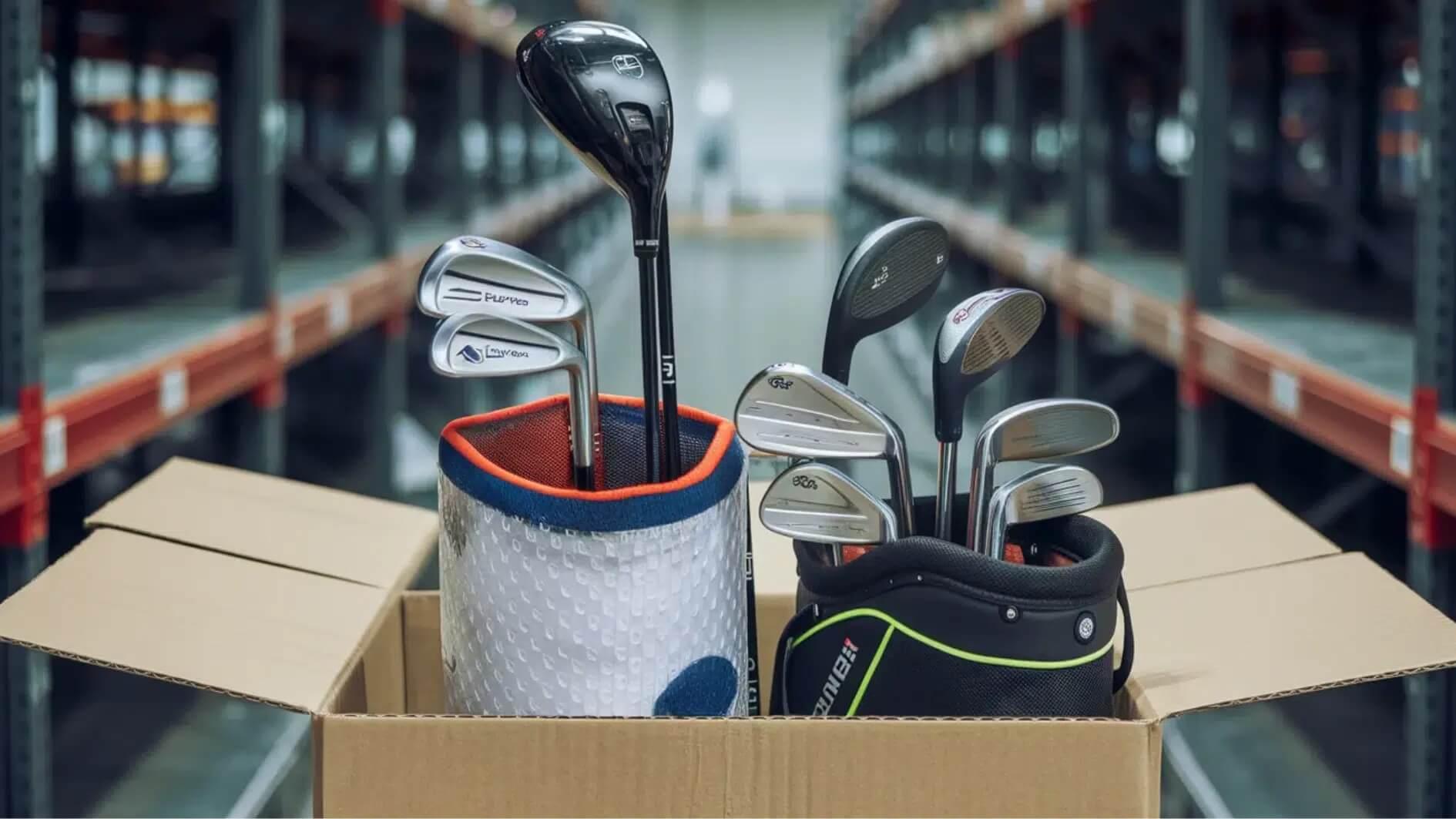
For higher-value golf clubs, sellers should consider protective packaging and insurance. A cracked shaft or damaged clubhead can turn a profitable order into a refund case.
Tracking is also important. Golf buyers may accept international shipping if the timeline is clear. They become frustrated when there is no visibility.
Read more in: 17 Fastest Dropshipping Suppliers for 2026 (Fast Shipping Options for U.S, EU, China, Japan)
Shipping is not a side issue in dropshipping golf equipment. For golf clubs, shipping can decide whether the product is profitable. Any dropshipping golf equipment plan should check shipping before the product goes live.
Golf clubs are long, some sets are heavy, and most products need protective packaging. If sellers only look at product weight, they can easily underestimate cost. Carriers may charge by dimensional weight, which means package size can matter as much as actual weight.
Oversized parcels.
Drivers, iron sets, and golf bags can cost more because of package length. These items should be measured before listing.
International shipping cost.
Shipping a full iron set from Japan to the US or Europe can cut deeply into margin. If the resale price is not high enough, the product may not be worth testing.
Customs duties and import taxes.
Buyers may need to pay additional duties depending on the destination country. If this is not explained early, customers may feel surprised and open disputes.
Damage risk.
Shafts, clubheads, and finishes can be damaged if packaging is weak. For secondhand items, sellers should keep condition photos before shipping to reduce disputes.
Return cost.
International returns for golf clubs can be expensive. Clear listings reduce the chance of customers buying the wrong product.
Shipping Method | Best For | Main Advantage | Main Limitation |
EMS | Standard orders | Balanced cost and reliability | Speed varies by country |
DHL | Fast or higher-value orders | Fast delivery and strong tracking | Higher cost |
FedEx | Premium or B2B shipments | Strong global network | Expensive for long parcels |
Surface mail | Bulky, low-urgency items | Lower cost | Very slow delivery |
For premium clubs, faster shipping with tracking is usually safer. For accessories or apparel, sellers can use more cost-efficient options if the timeline is clear.
Calculate dimensional weight before listing.
For clubs and full sets, do not only ask for weight. Estimate length, width, and height.
Use warehouse consolidation.
If a buyer purchases multiple items, consolidation can reduce cost per item.
Bundle smaller products.
Headcovers, gloves, golf balls, or grip tools can increase AOV without making shipping too complex.
Avoid bulky products with weak margins.
Golf bags may look attractive, but if shipping consumes the margin, they are not worth adding to the store.
Offer shipping tiers.
Some buyers are willing to pay more for faster delivery. Tiered shipping prevents sellers from absorbing all shipping costs.
The golf niche can bring strong AOV, but small mistakes are expensive. One missing spec, one miscalculated fee, or one weak listing can turn a profitable order into a support case.
This is one of the easiest mistakes to make.
A used club may cost $90 in Japan. At first glance, selling it for $180 looks profitable. But after domestic shipping, proxy fees, international shipping, platform fees, and duties, the real cost may move close to the selling price.
For golf clubs, the purchase price is not the real cost. Landed cost is the number that decides whether a product should be listed.
A listing with good photos does not always mean the product is safe to buy.
For premium clubs, check seller history, photos from several angles, brand markings, serial numbers when available, face condition, shaft, and grip. If the price looks unusually low, slow down and check again.
In this niche, a bad product does not only cause a refund. It damages store trust.
Golf buyers do not only need to know that a club is “in good condition.”
They want to know the model, shaft, flex, loft, grip condition, whether a headcover is included, and whether there are visible scratches.
If the product page misses specs, customers will ask more questions, hesitate longer, or dispute the order after delivery.
Sellers do not need to be skilled golfers, but they should understand basic specs.
Regular flex is different from stiff flex. A 9.5-degree driver is different from a 12-degree driver. Blade irons target different players than game-improvement irons. A collectible putter should not be described like a beginner club.
Weak product knowledge leads to weak content, poor advice, and listings that do not feel trustworthy.
Secondhand and auction products in Japan can disappear quickly.
If sellers list too many one-off products without a way to reserve or update stock, they may receive orders for items that have already sold. For this category, sellers should consider buying first, updating stock frequently, or using a sourcing-on-request model.
Dropshipping golf equipment is best for sellers who can do three things well: research products, calculate costs carefully, and explain product value clearly. For stores built around dropshipping golf equipment, product knowledge is part of the conversion strategy.
This niche is not ideal for complete beginners who want quick testing, low effort, and little product knowledge. Golf buyers are more detailed than impulse shoppers. They expect accurate specs, clear photos, honest condition notes, and reliable shipping timelines.
This niche is more suitable if sellers want to build a store around:
Japanese golf clubs
Used premium golf equipment
Collectible and limited-edition items
Golf accessories and bundles
Japanese golf apparel
High-AOV sports products
If the store can explain why a product is worth buying, calculate landed cost accurately, and source from reliable Japanese sellers, golf equipment can become a strong cross-border ecommerce niche.
You can source Japanese golf clubs from Rakuten Japan, Yahoo Auctions Japan, Mercari Japan, and specialized secondhand golf shops in Japan. Proxy services such as Janbox, Buyee, and ZenMarket can help international sellers buy from Japan, receive items at a local warehouse, consolidate packages, and arrange international shipping.
Before buying, check seller rating, condition, specs, product photos, and total landed cost.
Yes. Used golf clubs can be dropshipped if the product condition is clear, specs are complete, and shipping cost still makes sense.
Used clubs from Japan can be attractive because sellers may find premium, discontinued, or Japan-only models. However, the product page should clearly describe shaft flex, loft, grip condition, club length, headcover status, scratches, dents, and real product photos.
Japanese golf brands are often valued for craftsmanship, feel, and product finishing. Miura, Honma, Yamaha, Bridgestone, Mizuno, XXIO, PRGR, and Fourteen all have recognition among golfers who care about quality.
However, not every Japanese club is right for every player. The best product depends on the buyer’s skill level, swing speed, budget, and preferred feel.
In most cases, sellers do not need a special license to sell standard golf equipment. However, business registration, tax rules, import regulations, consumer protection laws, and marketplace policies may vary by target market.
If selling branded products, sellers should avoid counterfeit items and follow trademark, authenticity, and marketplace requirements.
Shopify and WooCommerce are good options for branded golf stores. eBay can work well for used clubs and collectibles because buyers often search by model. Amazon may work for accessories, but competition is higher and requirements are stricter.
For sourcing from Japan, sellers can use Rakuten Japan, Yahoo Auctions Japan, Mercari Japan, and proxy services such as Janbox, Buyee, or ZenMarket.
Dropshipping golf equipment from Japan can be a strong niche for sellers who want higher-value products, a clearer sourcing story, and less generic competition.
The opportunity comes from Japan’s supply side: trusted brands, active secondhand listings, Japan-only models, and international buyers willing to search for products they cannot easily find locally. The best dropshipping golf equipment strategy is to turn that sourcing advantage into clear product pages and reliable fulfillment.
But this is not a niche where sellers can simply upload products and wait for sales. Sellers need to understand basic golf specs, check product condition, calculate landed cost, choose suitable shipping methods, and write product pages clearly enough to earn buyer trust.
A safer starting point is putters, wedges, single clubs, accessories, or apparel. Once sourcing and fulfillment are stable, sellers can expand into premium clubs, iron sets, and collectible golf items from Japan.

Work with us
Our solutions
Address:
 〒136-0082, Japan, Tokyo, Koto-ku, Shinkiba 3-5-6, 5F
Connect us:


Japan
〒136-0082, Japan, Tokyo, Koto-ku, Shinkiba 3-5-6, 5F
Texas, USA
1606 Audrey Dr, Garland, TX 75040, United States
California, USA
1316 John Reed Ct, City of Industry, CA 91745, United States