

News
Ichiba OnePlatform Team - 20/05/2026
In this article
Germany has become one of the most promising markets for eCommerce expansion in Europe, attracting a growing number of entrepreneurs who want to build sustainable online businesses. With a strong economy, high purchasing power, and well-established logistics infrastructure, the country offers an ideal environment for sellers exploring dropshipping Germany as a long-term opportunity. As consumer trust in online shopping continues to rise, entering this market is no longer limited to large corporations but is increasingly accessible to independent sellers worldwide.
For those looking to understand dropshipping in Germany, the model provides a low-risk way to test products and scale without investing heavily in inventory. Instead of managing stock or handling fulfillment, sellers can partner with reliable dropshipping suppliers in Germany or international providers that support shipping into the German market. This flexibility allows businesses to adapt quickly to trends while maintaining operational efficiency.
Entering the German eCommerce market becomes significantly easier when sellers understand how the dropshipping model operates and why it aligns well with local consumer behavior. While the concept itself is simple, applying it effectively in dropshipping Germany requires a clear understanding of the process, the market dynamics, and the types of products that resonate with German buyers.
At its core, dropshipping allows sellers to run an online store without managing inventory or handling physical products. Instead of purchasing stock upfront, the seller only buys the product after receiving an order from a customer, which reduces financial risk and simplifies operations.
A typical dropshipping in Germany workflow usually follows a straightforward sequence. First, the seller lists products on an online store or marketplace. Once a customer places an order, the seller forwards that order to a supplier. The supplier then processes and ships the product directly to the customer, completing the fulfillment cycle without the seller ever touching the item.
This model offers several advantages that make it especially attractive for new entrepreneurs. Startup costs remain relatively low since there is no need for warehouse investment or bulk inventory purchases. At the same time, sellers gain flexibility in testing multiple niches, adjusting product offerings, and scaling operations without significant operational constraints. For those targeting dropshipping Germany, this flexibility becomes a key factor in adapting to a competitive and fast-moving market.
Germany stands out as one of the most attractive destinations for dropshipping businesses in Europe due to a combination of economic strength and consumer behavior. As the largest economy in the European Union, it offers a large and stable customer base with strong purchasing power.
One of the biggest advantages of dropshipping Germany lies in its advanced logistics infrastructure. Shipping networks are highly reliable, delivery times are predictable, and customers expect efficient service. This creates a favorable environment for sellers who can meet these expectations through the right dropshipping suppliers in Germany or well-optimized international partners.
In addition, German consumers have a high level of trust in online shopping, which contributes to strong conversion rates across major platforms. Popular channels such as Amazon, eBay, and Shopify play a significant role in shaping the eCommerce landscape. Whether sellers choose dropshipping Amazon Germany, eBay dropshipping Germany, or build their own Shopify dropshipping Germany store, they can tap into an ecosystem that already supports large-scale online transactions.
Understanding product demand is essential for success in dropshipping Germany, as German consumers tend to prioritize quality, functionality, and sustainability when making purchasing decisions. Choosing the right niche not only improves conversion rates but also helps build long-term brand credibility.
Among the most popular categories, home improvement products consistently perform well due to a strong DIY culture in Germany. Eco-friendly products are also in high demand, reflecting the country’s deep commitment to environmental sustainability. Items such as reusable household goods and sustainable packaging solutions often resonate strongly with local buyers.
In addition, electronics accessories remain a stable niche thanks to widespread technology adoption, while pet supplies continue to grow as pet ownership increases across the country. Health and wellness products also attract attention, particularly those that emphasize quality and transparency.
While the opportunity in dropshipping Germany is highly attractive, operating in this market requires strict compliance with legal and regulatory frameworks. Germany is known for its well-defined business laws and strong consumer protection standards, which means sellers must take legal obligations seriously from the very beginning. Understanding these requirements not only helps avoid penalties but also builds trust with customers, which is essential for long-term success in dropshipping in Germany.
Before launching a store, most sellers must legally register their business in Germany or within the European Union, depending on their operational setup. Running dropshipping in Germany without proper registration can lead to fines or restrictions, especially when selling through major platforms.
The main authority overseeing business activities is the German Federal Ministry for Economic Affairs and Climate Action, which provides guidelines for entrepreneurs and companies. In practice, sellers typically register through local trade offices, depending on their business location.
Common business structures include sole proprietorship, which is simple to set up and suitable for beginners, and a limited liability company, known as GmbH, which offers more protection but involves higher setup costs and administrative requirements. Choosing the right structure depends on your goals, expected revenue, and risk tolerance when scaling a dropshipping business in Germany.
Tax compliance is one of the most critical aspects of dropshipping in Germany, especially because the country enforces strict VAT regulations for eCommerce businesses. Sellers must understand when to register for VAT and how to report taxes correctly across borders.
Germany applies VAT to most goods sold online, and once a seller reaches the required threshold, VAT registration becomes mandatory. In addition, businesses selling across the European Union can use the One Stop Shop system managed by the European Commission, which simplifies VAT reporting across multiple countries.
For those involved in dropshipping to Germany from other regions, it is essential to consider import VAT, customs duties, and proper invoicing. Failure to comply with these rules can lead to account suspension on platforms like Amazon or eBay, making tax compliance a key priority from the start.
Germany has some of the strictest consumer protection laws in Europe, which directly impact how sellers operate in dropshipping in Germany. These regulations are designed to ensure transparency, fairness, and product reliability for customers.
Sellers must provide clear and detailed return policies, including the standard 14 day withdrawal period that allows customers to return products without giving a reason. Product descriptions must be accurate and not misleading, while shipping times must be clearly stated to avoid disputes.
In addition, transparency plays a major role in building trust. Customers expect to see full business information, including company details, contact information, and terms of service. For anyone running a dropshipping business, maintaining clear refund policies and responsive customer support is not just a best practice but a legal necessity.
Choosing the right supplier is one of the most important decisions when building a successful dropshipping Germany business. Since suppliers are responsible for product quality, fulfillment speed, and overall customer experience, working with reliable partners directly impacts your store’s reputation and long term profitability. Whether you decide to work with local or international providers, understanding the differences between each option will help you optimize your operations in dropshipping in Germany.

Working with local suppliers is often the preferred approach for sellers targeting the German market. A dropshipping supplier in Germany offers significant advantages, particularly in terms of delivery speed and product standards, which align well with the expectations of German consumers.
In addition to logistics benefits, local suppliers tend to offer higher product quality and better compliance with EU regulations. Communication is also more efficient, which makes it easier to resolve issues quickly. For sellers focusing on premium positioning or brand building, partnering with German dropshipping suppliers can be a strong competitive advantage.
BigBuy
BigBuy is a well-established European dropshipping platform that focuses on providing access to a wide range of products sourced within the EU. For sellers targeting dropshipping in Germany, BigBuy offers a strong advantage thanks to its local logistics network, which ensures faster delivery times and better alignment with EU regulations. This makes it particularly suitable for sellers who want to maintain consistent product quality and reliable shipping performance.
In addition to its logistics capabilities, BigBuy provides integration with major eCommerce platforms such as Shopify and marketplaces like Amazon and eBay. The platform also supports automated order processing, multilingual catalogs, and localized product data, which are essential features when scaling a dropshipping business in Germany efficiently.
Spocket
Spocket is a popular dropshipping platform that connects sellers with suppliers primarily based in Europe and the United States. For those entering dropshipping Germany, Spocket offers a curated supplier network that emphasizes product quality and faster shipping compared to traditional overseas sourcing methods.
One of Spocket’s key strengths lies in its seamless integration with platforms like Shopify, allowing sellers to easily import products and automate fulfillment. The platform also highlights branded invoicing and product samples, which are valuable for sellers who want to build a strong brand presence while working with German dropshipping suppliers or nearby EU vendors.
While local suppliers offer speed and reliability, many sellers still choose international platforms due to their lower costs and broader product selection. This approach is common for testing products or entering the market with minimal upfront investment.
The main advantage of using international dropshipping suppliers in Germany is cost efficiency, as product prices are often lower compared to local alternatives. In addition, the extensive catalogs make it easier to explore trending niches and test multiple products quickly. However, sellers must carefully manage shipping times and customer expectations, as longer delivery periods can impact conversion rates and satisfaction.
AliExpress
AliExpress is one of the largest global marketplaces used in dropshipping, offering millions of products across various categories. For sellers exploring dropshipping to Germany, it provides access to an extensive catalog at highly competitive prices, making it ideal for testing new products and identifying winning items.
However, while AliExpress offers cost advantages, sellers must carefully manage shipping times and supplier reliability. Many sellers mitigate this by selecting suppliers with EU warehouses or using shipping methods that support faster delivery to Germany. When used strategically, AliExpress remains a powerful tool for scaling dropshipping Germany businesses at the early stages.
CJ Dropshipping
CJ Dropshipping is a full-service platform that combines product sourcing, order fulfillment, and warehousing solutions. It is particularly useful for sellers who want more control over their supply chain while still benefiting from the flexibility of dropshipping in Germany.
The platform offers warehouses in Europe, including Germany, which helps reduce delivery times significantly. In addition, CJ Dropshipping provides services such as product sourcing on demand, quality inspection, and custom packaging. These features make it a strong option for sellers looking to improve customer experience and differentiate their brand in the competitive dropshipping Germany market.
Zendrop
Zendrop is a modern dropshipping platform designed to simplify fulfillment and automation for online sellers. It focuses on improving shipping speed and reliability, which are critical factors when operating in dropshipping in Germany.
The platform offers automated order processing, custom branding options, and faster shipping compared to traditional suppliers. Zendrop also provides access to trending products and reliable suppliers, making it a good choice for sellers who want to scale quickly while maintaining operational efficiency in dropshipping in Germany.
IChiba OnePlatform
IChiba OnePlatform is an all in one dropshipping and fulfillment solution designed to support global sellers, particularly those sourcing from Asia and expanding into international markets like Germany. Unlike traditional supplier directories, IChiba focuses on providing a fully integrated ecosystem that connects product sourcing, order management, and logistics into a single platform.
For sellers targeting dropshipping in Germany, IChiba offers a strong advantage through its hybrid fulfillment model. Businesses can source products from Vietnam and Japan while leveraging optimized logistics routes and local warehousing solutions to ensure faster delivery times into Germany. This helps bridge the gap between low-cost sourcing and high customer expectations in the European market.
Another key strength of IChiba OnePlatform lies in its automation capabilities. The system allows sellers to manage multi-channel orders, synchronize inventory, and streamline fulfillment processes without manual intervention. This is especially valuable for those running Shopify dropshipping Germany stores or selling across multiple marketplaces, as it reduces operational complexity and improves scalability.
In addition, IChiba provides end-to-end support, including supplier connection, quality control, and fulfillment services in key markets such as the United States and Europe. This makes it not just a supplier platform but a comprehensive infrastructure for building a long-term dropshipping Germany business. For sellers who want to move beyond basic dropshipping and develop a more sustainable and branded operation, IChiba OnePlatform offers a strategic advantage.
To balance cost and delivery speed, many suppliers now offer fulfillment through local warehouses in Germany or across the European Union. This hybrid model has become increasingly popular in dropshipping Germany, especially for sellers aiming to scale their business.
Using a dropshipping Germany warehouse provides several key benefits. Delivery times can be reduced to one to three days, which meets the high expectations of German consumers. Faster shipping also leads to higher customer satisfaction, fewer complaints, and lower return rates.
This approach is particularly valuable for sellers operating on major marketplaces such as Amazon and eBay, where fast delivery is often a critical ranking factor. For those focusing on dropshipping Amazon or eBay dropshipping, working with suppliers that offer local warehousing can significantly improve performance and competitiveness.
Choosing the right sales channel plays a critical role in the success of any dropshipping business, especially in a market where customer expectations are high and competition is intense. While some sellers prefer building their own branded stores, many start by leveraging established marketplaces that already have strong traffic and customer trust. Understanding how each platform works will help you select the most suitable approach for your dropshipping in Germany strategy.
Amazon Germany is one of the largest and most competitive marketplaces in Europe, making it a powerful channel for sellers entering dropshipping Germany. With millions of active users and a high level of consumer trust, Amazon offers immediate access to a large customer base without the need to build traffic from scratch.
One of the biggest advantages of dropshipping Amazon Germany is its strong conversion rate. Customers are already familiar with the platform, which reduces friction during the purchasing process. In addition, Amazon’s logistics ecosystem, including Fulfillment by Amazon, can further enhance delivery speed and customer experience.
However, selling on Amazon also comes with strict policies. Dropshipping sellers must ensure compliance with Amazon’s rules, including being the seller of record and handling returns properly. Competition is also intense, which means pricing, reviews, and supplier reliability become key success factors when operating in this channel.
eBay remains a popular alternative for sellers who want a more flexible entry point into dropshipping. Compared to Amazon, eBay typically has lower barriers to entry, making it suitable for beginners who are testing products or learning the market.
One of the main benefits of eBay dropshipping Germany is its relatively lower advertising cost and simpler listing process. Sellers can experiment with different products and pricing strategies without significant upfront investment. This makes it an effective platform for product validation before scaling to other channels.
At the same time, success on eBay still depends on maintaining competitive pricing and providing reliable shipping. German customers expect clear communication and accurate delivery times, so working with efficient dropshipping suppliers in Germany or EU based partners is essential for maintaining positive seller ratings.
Shopify offers a different approach by allowing sellers to build their own independent online stores. For those who want full control over branding and customer relationships, Shopify dropshipping Germany is often the preferred option.
Running your own store provides greater flexibility in terms of design, pricing strategy, and marketing. Sellers can build a unique brand identity, collect customer data, and implement sustainable strategies such as email marketing and retargeting. This level of control is especially valuable for scaling a sustainable dropshipping business in Germany beyond short product trends.
However, unlike marketplaces, Shopify does not provide built-in traffic. Sellers must invest in marketing channels such as paid ads, SEO, and influencer partnerships to drive visitors to their store. While this requires more effort upfront, it also creates the opportunity for higher margins and stronger brand equity over time.
>> See more: Best dropshipping suppliers for Shopify
Selecting the right products is a decisive factor in building a profitable dropshipping business, especially in a market where consumers are highly selective and value quality, reliability, and sustainability. Rather than chasing short trends, successful sellers focus on product categories that align with local preferences and long-term demand. Understanding these buying behaviors will help you position your store more effectively in dropshipping in Germany.
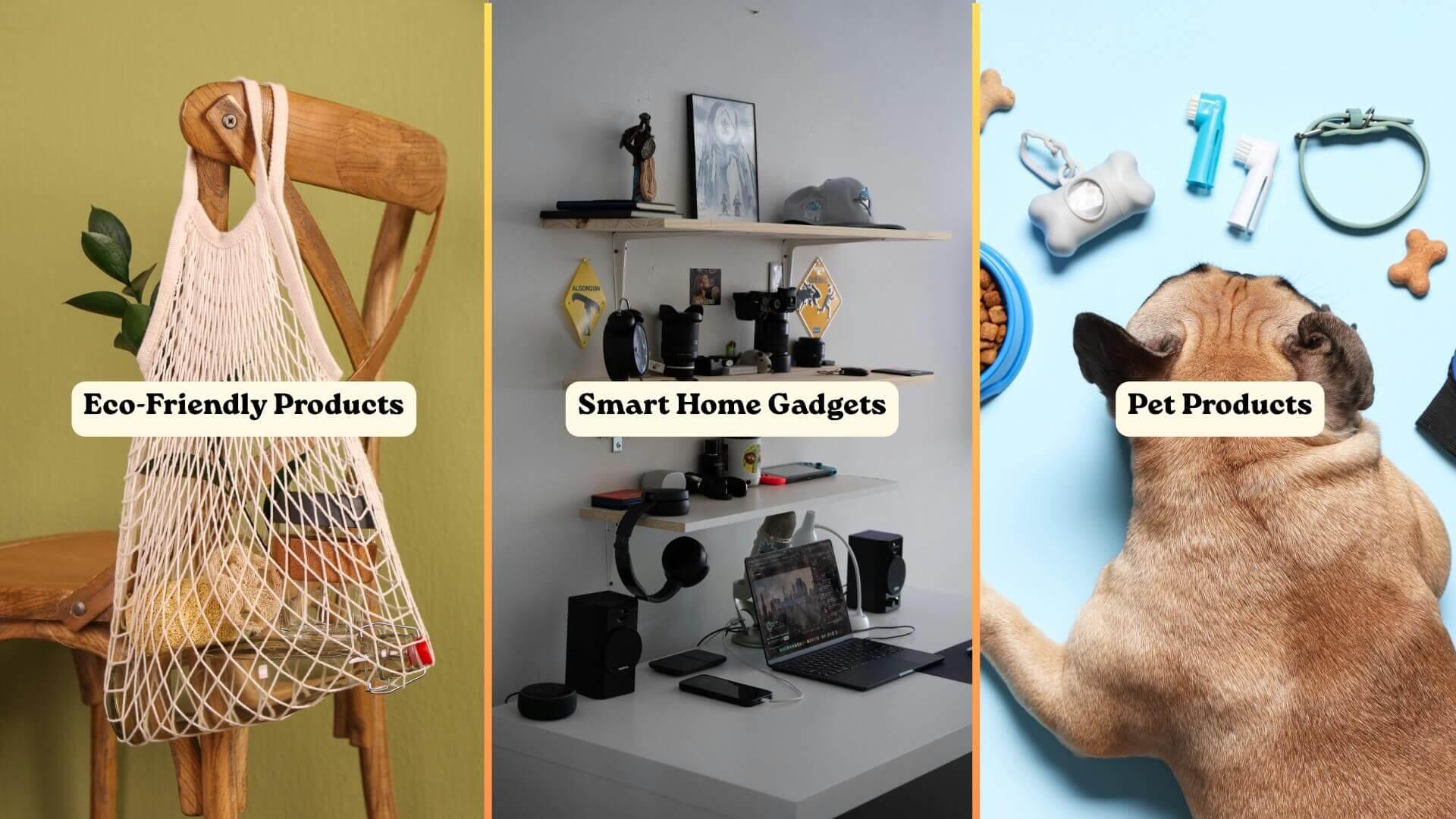
Germany is widely recognized for its strong environmental awareness, which directly influences purchasing decisions. Consumers tend to favor products that reduce waste, promote sustainability, and align with eco-conscious lifestyles. As a result, eco friendly items represent one of the most promising niches in dropshipping Germany.
Popular products in this category include reusable kitchen items such as silicone food storage bags, stainless steel straws, and beeswax wraps. Eco-friendly cleaning tools, biodegradable sponges, and sustainable packaging materials are also in high demand. These products not only appeal to customer values but also create strong brand positioning opportunities for sellers who want to build trust and loyalty in the German market.
Technology adoption in Germany continues to grow, making smart home products a highly attractive category for dropshipping Germany sellers. Consumers are increasingly interested in improving convenience, energy efficiency, and home security through connected devices.
Products such as smart plugs, home security cameras, and LED lighting systems are among the most popular choices. These items often have clear value propositions, which makes them easier to market and sell. In addition, smart home gadgets typically have higher perceived value, allowing sellers to achieve better profit margins when targeting dropshipping to German customers.
The pet industry in Germany has shown consistent growth over the years, driven by high pet ownership rates and increasing spending on pet care. This makes pet products a stable and scalable niche for dropshipping businesses.
Items such as automatic pet feeders, grooming kits, and interactive toys are particularly popular among German consumers. Pet owners are generally willing to invest in products that improve the well-being and comfort of their animals, which creates strong demand across different price ranges. For sellers working with reliable dropshipping suppliers in Germany or EU partners, this category offers excellent opportunities for long-term growth.
>> See more: Pet products dropshipping suppliers
Understanding the cost structure and profit potential is essential for anyone entering dropshipping, especially in a market where operational standards are high and competition is strong. While the business model is often promoted as low-cost, achieving sustainable profitability requires careful planning, realistic expectations, and continuous optimization.

Starting a dropshipping business in Germany does not require a large upfront investment, but there are still several essential costs that sellers need to consider. These expenses typically depend on the platform, tools, and marketing strategy you choose.
The first major cost is the eCommerce platform subscription, especially if you are building a store using Shopify or similar solutions. In addition to this, sellers often invest in themes, apps, and automation tools to improve store performance and streamline operations.
Marketing is another key expense, particularly for those running Shopify dropshipping Germany stores. Paid advertising through channels like Facebook Ads or Google Ads is commonly used to generate traffic and test products. On top of that, costs related to supplier tools, product research software, and branding elements such as logos or packaging should also be factored into the initial budget.
While the barrier to entry is lower compared to traditional retail, sellers should still plan for a realistic starting budget to compete effectively in dropshipping in Germany.
Profit margins in dropshipping Germany can vary significantly depending on product category, supplier costs, and marketing efficiency. On average, many sellers aim for margins between 15% and 30%, although this can increase for niche or branded products.
Lower cost products sourced from international suppliers may offer higher margins, but they often come with trade offs such as longer shipping times. On the other hand, working with germany dropshipping suppliers or using a dropshipping germany warehouse can reduce margins slightly due to higher product costs, but it improves delivery speed and customer satisfaction, which can lead to better long term profitability.
To maximize margins, successful sellers focus on optimizing pricing strategies, reducing advertising costs, and improving conversion rates. Building a strong brand also allows for premium pricing, which is particularly effective in the German market, where customers value quality and trust.
Scaling a dropshipping business requires moving beyond basic product testing and focusing on sustainable growth strategies. Once a winning product or niche is identified, sellers can reinvest profits into marketing and operational improvements.
One of the most effective approaches is SEO content marketing, which helps attract organic traffic over time and reduces dependency on paid ads. Creating valuable blog content around keywords like dropshipping Germany and related terms can significantly improve long-term visibility.
In addition, influencer partnerships are becoming increasingly important in Germany, especially on platforms like Instagram and TikTok. Collaborating with local creators can help build trust and reach targeted audiences more effectively. Email marketing is another powerful tool that allows sellers to retain customers, promote repeat purchases, and increase lifetime value.
While the opportunities in dropshipping Germany are significant, sellers must also be prepared to navigate a number of challenges that are specific to this market. Germany’s high standards for quality, compliance, and customer experience create a competitive environment where only well-prepared businesses can succeed. Understanding these challenges early allows sellers to build more resilient strategies when entering dropshipping in Germany.
Germany is known for its strict legal framework, particularly when it comes to consumer protection. Sellers operating in dropshipping Germany must comply with detailed regulations related to refunds, product transparency, and data privacy.
Authorities such as the European Commission enforce rules that apply across the European Union, including the requirement for clear return policies and accurate product descriptions. Customers typically have a 14 day return window, and sellers must handle refunds efficiently to avoid disputes.
In addition, privacy regulations such as GDPR require businesses to properly manage customer data. This means having clear privacy policies, secure data handling practices, and transparent communication. Failing to meet these requirements can lead to penalties and loss of trust, making legal compliance a critical aspect of dropshipping operations.
One of the biggest operational challenges in dropshipping Germany is meeting customer expectations for fast and reliable shipping. German consumers are accustomed to efficient delivery services, often expecting their orders to arrive within a few days.
Sellers who rely solely on overseas suppliers may struggle with long delivery times, which can negatively impact customer satisfaction and increase refund requests. To address this, many successful businesses work with EU based suppliers, use a dropshipping germany warehouse, or partner with fulfillment centers that can ensure faster delivery.
Providing accurate shipping information is equally important. Clear communication about delivery times helps manage expectations and reduces the likelihood of complaints. For sellers focusing on dropshipping to Germany, optimizing logistics is one of the most important factors for long-term success.
Germany’s strong eCommerce market attracts a large number of sellers, making competition a major challenge in dropshipping Germany. Popular niches are often saturated, and competing on price alone is rarely a sustainable strategy.
To stand out, sellers need to focus on niche specialization and brand differentiation. Instead of targeting broad categories, identifying a specific audience or product segment can help reduce competition and improve conversion rates. Building a recognizable brand with consistent messaging also plays a key role in gaining customer trust.
Customer service is another important differentiator. Fast response times, clear communication, and reliable after-sales support can significantly improve customer retention. By combining these strategies with strong supplier partnerships, sellers can position themselves more effectively in the competitive dropshipping landscape.
Is dropshipping legal in Germany?
Yes, dropshipping Germany is completely legal. However, sellers must comply with local and EU regulations, including business registration, VAT requirements, and consumer protection laws. This means providing clear return policies, accurate product descriptions, and transparent business information. As long as these legal obligations are met, dropshipping is a legitimate and widely used business model in Germany.
What are the best dropshipping suppliers in Germany?
The best dropshipping suppliers in Germany depend on your business goals and strategy. Local and EU platforms such as BigBuy and Spocket are ideal for faster shipping and higher product quality.
At the same time, international platforms like AliExpress, CJ Dropshipping, Zendrop, and IChiba OnePlatform offer lower costs and a wider product range. Many successful sellers combine both local and global suppliers to balance cost and delivery speed in dropshipping in Germany.
Can I dropship on Amazon Germany?
Yes, you can run dropshipping Amazon Germany, but you must follow the platform’s strict policies. Amazon requires sellers to be the official seller of record, meaning your business name must appear on invoices and packaging.
In addition, you are responsible for handling returns and customer service. Failure to comply with these rules can result in account suspension. Despite these challenges, Amazon remains one of the most powerful channels for scaling a dropshipping business due to its large customer base and high conversion rates.
What products sell well in Germany?
Successful products in dropshipping Germany typically align with local consumer preferences, which emphasize quality, functionality, and sustainability. Popular categories include eco-friendly products, smart home devices, and pet supplies.
German consumers are also willing to pay more for reliable and well designed products, which creates opportunities for sellers to build premium brands. Choosing the right niche and working with reliable German dropshipping suppliers can significantly improve your chances of success.
Do I need to register a business to dropship in Germany?
In most cases, yes. To operate legally in dropshipping Germany, you need to register a business either in Germany or within the EU, depending on your setup. This ensures compliance with tax regulations and allows you to sell on major platforms.
Registering your business also helps build credibility with customers and partners. Whether you choose a sole proprietorship or a company structure, having a legal entity is an essential step for scaling your dropshipping business in Germany.
Entering the German market offers a compelling opportunity for sellers who are ready to build a structured and compliant eCommerce business. With strong purchasing power, reliable logistics, and a mature online shopping culture, dropshipping Germany provides the right conditions for both beginners and experienced entrepreneurs to grow sustainably. However, success in this market depends on more than just launching a store, as it requires a clear understanding of legal requirements, customer expectations, and competitive positioning.
Throughout this guide, you have seen how dropshipping in Germany works, what regulations you need to follow, and how to choose the right dropshipping suppliers or international partners.
Ultimately, dropshipping in Germany is not just about short-term profit but about building a reliable and scalable business. By combining the right suppliers, platforms, and marketing strategies, you can establish a strong presence in one of Europe’s most competitive yet rewarding eCommerce markets.

Work with us
Our solutions
Address:
 〒136-0082, Japan, Tokyo, Koto-ku, Shinkiba 3-5-6, 5F
Connect us:


Japan
〒136-0082, Japan, Tokyo, Koto-ku, Shinkiba 3-5-6, 5F
Texas, USA
1606 Audrey Dr, Garland, TX 75040, United States
California, USA
1316 John Reed Ct, City of Industry, CA 91745, United States