

News
Ichiba OnePlatform Team - 20/05/2026
In this article
While traditional dropshipping allows entrepreneurs to start selling quickly without managing inventory, it often comes with limitations such as intense competition, low differentiation, and thin profit margins. As a result, many experienced sellers are shifting toward private label dropshipping, a model that allows them to build recognizable brands while still benefiting from the flexibility of dropshipping logistics.
For sellers looking to scale beyond generic product listings, dropshipping private label products opens the door to better margins and sustainable brand value. When done correctly, the model allows businesses to control product presentation, improve customer loyalty, and position themselves as real brands rather than temporary storefronts.
Private label dropshipping is a business model in which a supplier manufactures or sources generic products, while the seller applies their own branding and sells the products under their own brand name. The supplier stores inventory and handles order fulfillment, meaning the seller does not need to manage warehousing or shipping operations.
In most cases, the process works as follows:
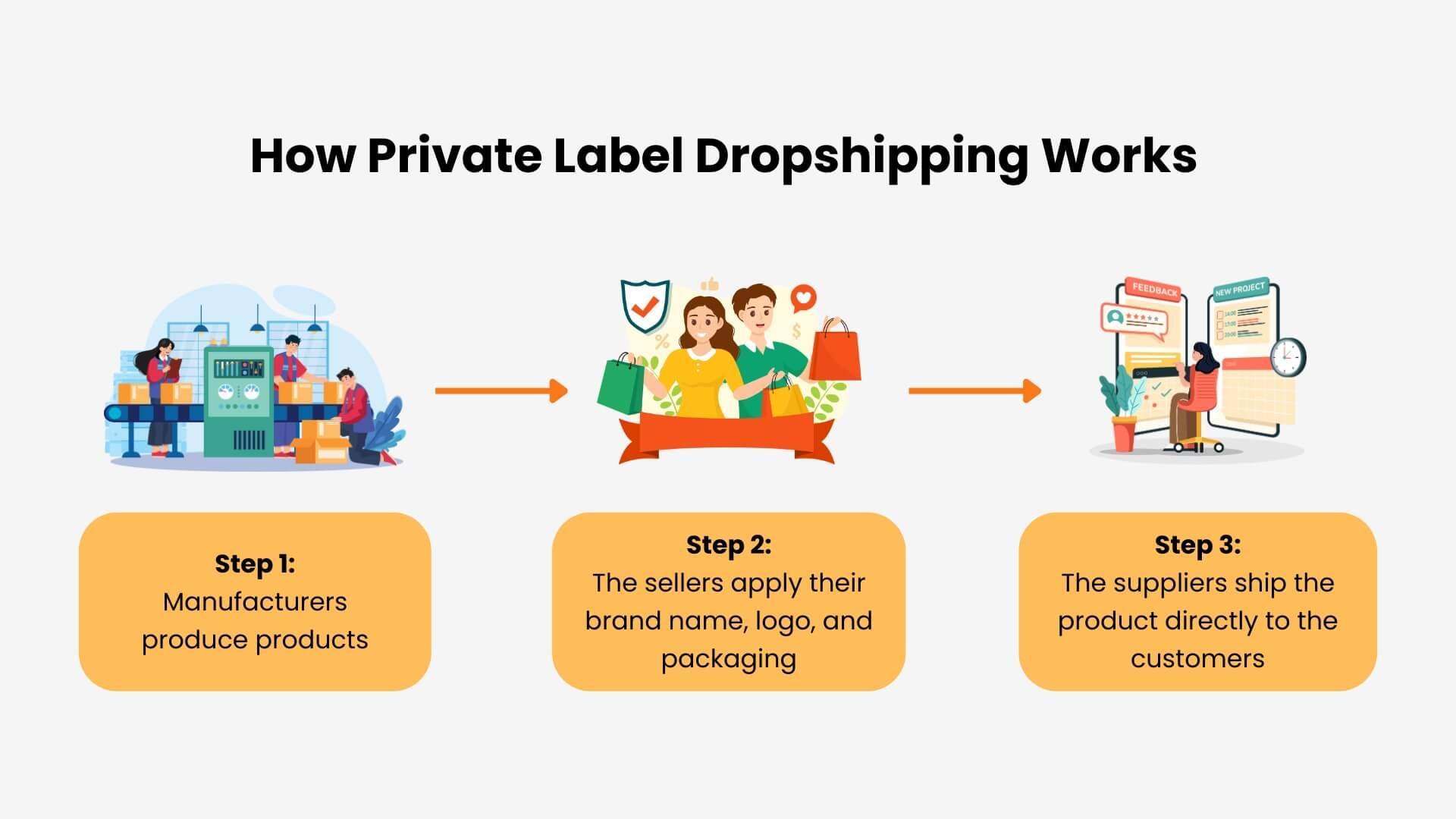
Although the logistics are handled by the supplier, customers only interact with the seller’s brand. From the buyer’s perspective, the product appears to come directly from the store they purchased from, which is why dropshipping your own brand becomes possible even without owning a factory or warehouse.
Compared with standard dropshipping stores that sell identical items from large marketplaces, dropshipping private label products allows sellers to control product presentation, brand positioning, and customer experience. Many businesses work with private suppliers for dropshipping or specialized private label dropshipping suppliers that support services such as product labeling, branded packaging, and customized inserts.
The terms white-label dropshipping and private-label dropshipping are often used interchangeably in ecommerce discussions. However, there are subtle differences between the two models, especially when it comes to product customization and brand control.
Feature | White Label Dropshipping | Private Label Dropshipping |
Product design | Pre-designed standard products created by the supplier | Products can be modified or customized by the seller |
Branding | Seller adds logo or brand name to existing product | Seller has deeper control over branding elements |
Customization | Limited customization options | Higher level of product and packaging customization |
MOQ requirements | Usually, a low or no minimum order quantity | May require a higher MOQ depending on the manufacturer |
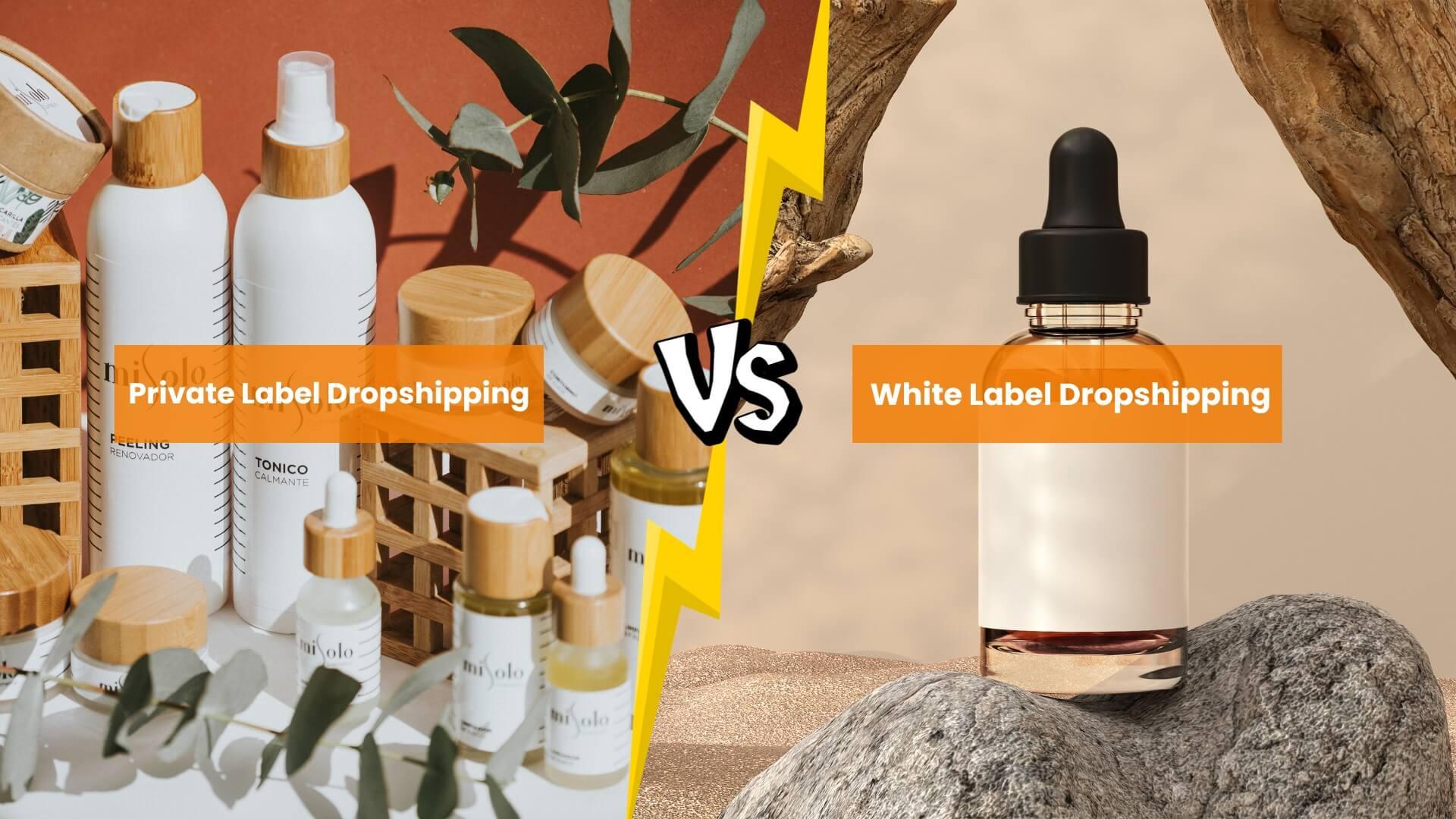
In white-label dropshipping, suppliers produce standardized items that multiple sellers can brand and sell under different names. This approach is common among dropshipping suppliers that offer ready-made catalogs of products such as apparel, accessories, and custom merchandise.
On the other hand, private label products drop shipping allows sellers to modify certain aspects of the product itself, including packaging design, labeling, and sometimes product features. For sellers who want deeper brand differentiation, working with private suppliers for dropshipping or manufacturers can create stronger long-term brand positioning.
Over the past few years, many ecommerce entrepreneurs have started transitioning from generic dropshipping stores to branded businesses. This shift explains the growing popularity of private label dropshipping, particularly among sellers who want to build sustainable ecommerce brands.
This trend brings up several advantages for sellers who don’t have enough capital for self-manufacturing but want a branded name on the market:
Higher perceived brand value allows stores to present products as unique offerings rather than generic marketplace items. When customers see consistent branding and packaging, the store appears more professional and trustworthy.
Stronger customer trust develops when buyers recognize a brand instead of a random product listing. Branded products often create a more reliable shopping experience and increase the likelihood of repeat purchases.
Greater pricing flexibility becomes possible because branded products are harder to compare directly with identical listings. Sellers using dropshipping private suppliers can position their products at higher price points compared with generic dropshipping stores.
Repeat customer potential increases significantly when customers associate product quality with a specific brand. Stores that practice custom label dropshipping can build lasting customer relationships rather than relying only on one-time purchases.
Modern ecommerce platforms have also played a major role in accelerating the growth of this model. Platforms such as Shopify, Amazon, and Etsy provide powerful infrastructure that allows sellers to launch branded stores quickly while connecting with private-label or white-label dropshipping suppliers worldwide.
The following step-by-step process explains how most successful sellers launch and grow a private label store.
The first step in building a private label dropshipping business is identifying a niche that has both strong demand and strong branding potential. Not every product category works well for dropshipping your own brand, since some markets are too saturated or too price-competitive to support brand differentiation.
Successful niches for private label products dropshipping often share several characteristics. They typically solve a clear customer problem, encourage repeat purchases, and allow visual branding through packaging or product presentation. Some common profitable niches that can be mentioned are beauty and skincare, pet, home organization tools, fitness accessories, and an eco-friendly lifestyle.
In order to validate a niche, sellers often rely on market research tools that help identify trending products and consumer demand. Tools such as Google Trends allow sellers to track search interest over time, while platforms like Jungle Scout provide valuable insights into product demand on ecommerce marketplaces.
>> See more: Best niche for dropshipping
Once a niche has been selected, the next step is finding reliable private suppliers for dropshipping that support branding and direct fulfillment. Choosing the right supplier is one of the most important factors in determining the success of a store.
Unlike generic dropshipping catalogs, where products are identical across multiple stores, private label suppliers typically provide services that help sellers create a branded product experience. These services often include logo printing, custom packaging, product labeling, and branded inserts.
A suitable private supplier dropshipping partner should support three core capabilities:
Branding services, such as logo printing or product labeling
Packaging customization to reinforce brand identity
Direct fulfillment so that products ship directly to customers
Sellers generally work with several types of suppliers when sourcing dropshipping private label products. They can be manufacturers, wholesalers, or fulfillment agents. No matter what suppliers you are working with, make sure that they can simplify the branding process and ensure that the final product reflects the identity of your brand.
Brand creation is a defining element of private-label dropshipping, as the brand is the primary factor that customers recognize and trust. Instead of focusing only on the product itself, sellers must develop a consistent brand identity that appears across packaging, website design, and marketing materials.
Core branding elements typically include brand name, logo design, packaging design, and product labeling. When these elements are implemented consistently, custom label dropshipping allows products to appear significantly more premium than generic marketplace listings. A well-designed brand also makes it easier to differentiate products from competitors who may be selling similar items without branding.
After selecting products and developing branding, the final step is launching an ecommerce store that presents the brand to customers. Modern ecommerce platforms make it relatively easy for sellers to launch branded stores that integrate directly with private label dropshipping suppliers and fulfillment systems. The two most highly-recommended platforms are Shopify and WooCommerce.
Plus, a successful store should include several essential pages that build customer trust and communicate brand credibility. Take a big effort on product pages, shipping policies, and the brand story page. When these components are combined, sellers can create a professional storefront that supports dropshipping private label products while maintaining full control over the brand experience.
Sellers who work with the right suppliers can offer better customer experiences, maintain consistent product quality, and build stronger brand credibility. These features allow sellers to operate dropshipping private label products without managing inventory or logistics themselves.
Private label dropshipping suppliers function as intermediaries that connect sellers with manufacturers and logistics networks. For businesses looking to scale quickly, they provide an accessible way to work with dropshipping private suppliers while maintaining automation within their store operations.
CJ Dropshipping is one of the most widely used platforms for private supplier dropshipping, especially among Shopify and ecommerce entrepreneurs. The platform provides a large catalog of products across multiple categories, including beauty, home products, electronics, and lifestyle accessories.
One of the main advantages of CJ Dropshipping is its support for branding services such as logo printing, customized packaging, and product labeling. These features make it easier for sellers to launch dropshipping private label products while still benefiting from automated fulfillment and global shipping options.
Zendrop is another popular platform designed to simplify private label dropshipping for ecommerce sellers. It integrates directly with platforms like Shopify and allows merchants to source products while managing orders through a single system.
Zendrop also supports several branding features that enable dropshipping your own brand, including custom packaging and private labeling options. Because of its strong automation and reliable fulfillment network, many sellers consider it one of the best private suppliers for dropshipping when building branded ecommerce stores.
Spocket focuses on connecting sellers with suppliers located primarily in the United States and Europe. This supplier network allows stores to offer faster shipping compared with many overseas sourcing options.
In addition to curated product catalogs, Spocket supports branding features that enable private label dropshipping. Sellers can work with selected suppliers to create branded products, which helps differentiate their stores from competitors selling generic items.
IChiba OnePlatform is a comprehensive solution designed to support sellers who want to build a scalable private label dropshipping business while sourcing unique products from Asia, particularly Japan and Vietnam. The platform connects sellers with trusted suppliers and manufacturers, allowing them to access curated products that are not commonly found in traditional dropshipping catalogs.
One of the key strengths of IChiba OnePlatform is its integrated ecosystem that combines supplier sourcing, order management, and fulfillment services within a single platform. Instead of relying on multiple tools, sellers can manage product sourcing, branding, and logistics in one place while working with private suppliers for dropshipping that support brand customization.
Another advantage is the platform’s focus on helping sellers develop long-term brands rather than simply reselling generic products. Through custom label dropshipping services, sellers can apply their own branding to products, customize packaging, and build differentiated product lines. This makes it possible to launch dropshipping private label products that stand out in international markets while maintaining reliable fulfillment through a managed supply network.
Another popular option within the private label dropshipping ecosystem is working with white-label dropshipping suppliers. Instead of creating fully customized products, these suppliers offer standardized products that can easily be branded by multiple sellers.
This approach is commonly referred to as white-label dropshipping, and it is widely used for products that benefit from visual branding and customization.
Printful is one of the most popular white-label dropshipping suppliers, specializing in print-on-demand products such as apparel, accessories, and home decor. Sellers can upload custom designs and launch white-label dropshipping products under their own brand without holding inventory.
The platform handles printing, packaging, and shipping directly to customers. Because of this streamlined process, many entrepreneurs use Printful to start dropshipping white-label products quickly while maintaining full control over their brand presentation.
Printify is another major provider in the white-label dropshipping space. Unlike single supplier platforms, Printify connects sellers with a network of printing partners around the world, allowing them to select production facilities closer to their target markets.
This network model offers flexibility in pricing and fulfillment locations, which can help sellers optimize shipping costs and delivery times. For businesses interested in white-label dropship products, Printify provides a scalable solution for launching branded merchandise and expanding product lines.
For sellers who want the highest level of customization and brand control, working directly with manufacturers can be the most powerful approach within the private label dropshipping model. Unlike platform suppliers, manufacturers can often modify product materials, packaging, and features according to the seller’s brand requirements.
Working directly with manufacturers offers several advantages. Firstly, Sellers can get lower product costs as there are fewer intermediaries involved. Secondly, the packaging customization is taken in the first place, which supports stronger brand recognition. Additionally, sellers can get greater control over packaging, labeling, and product specifications.
Many sellers who want to develop brands rely on sourcing platforms such as Alibaba to find manufacturers that support private label products dropshipping. These factories can often produce goods with custom branding while also coordinating fulfillment through dropshipping private suppliers, or third-party logistics providers.
However, working directly with manufacturers may require higher minimum order quantities and stronger supplier relationships. For this reason, many beginners start with private label dropshipping suppliers or white label dropshipping suppliers, then gradually transition to manufacturers as their brand grows.
Choosing the right products is just as important as selecting the right supplier when building a private label dropshipping business. Not every product category works well for branded dropshipping because some items are too commoditized, while others do not offer enough differentiation for branding.
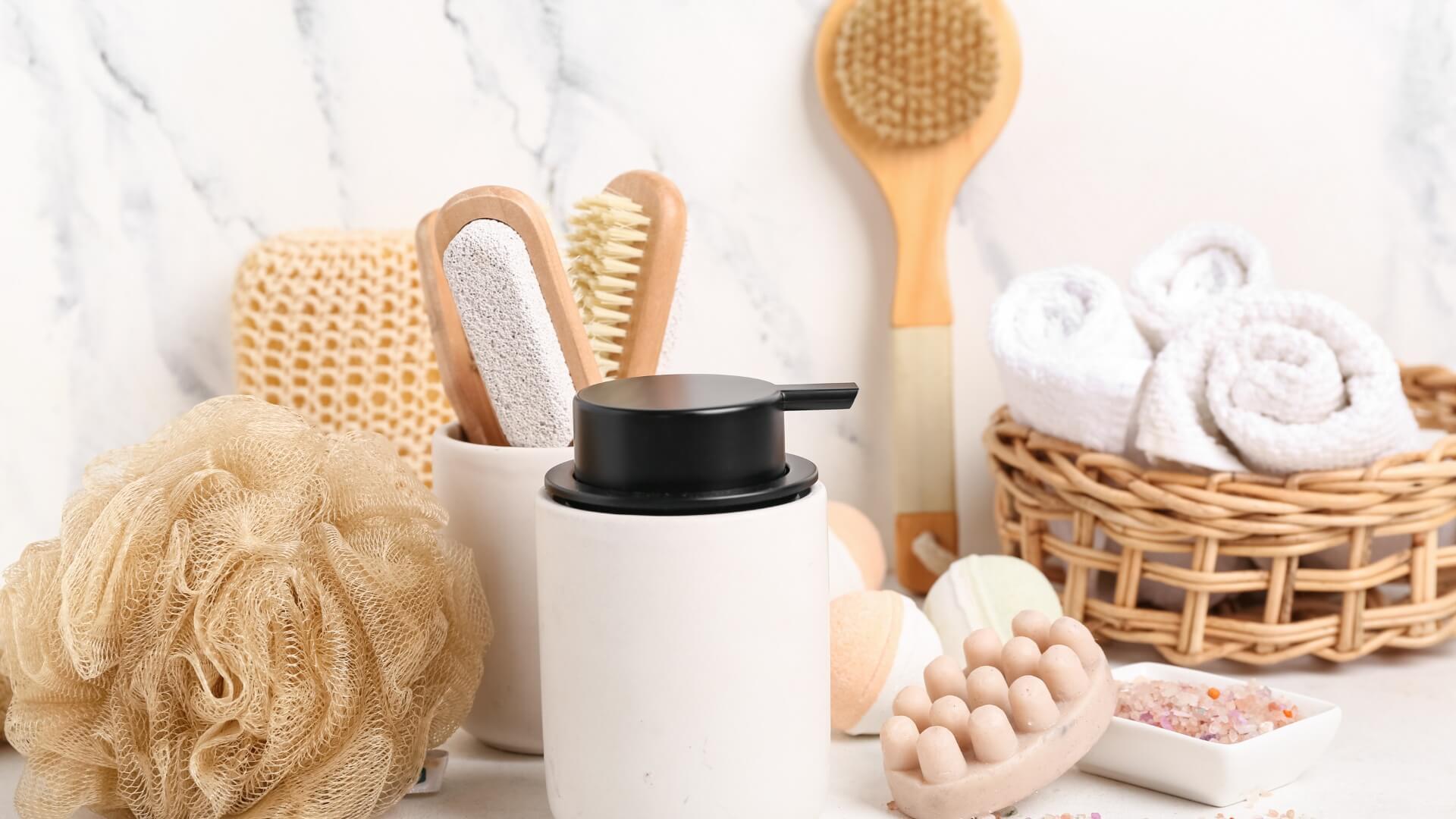
Beauty and skincare products are among the most popular categories in private label dropshipping because branding plays a major role in customer purchasing decisions. Consumers often associate product quality with packaging, brand story, and visual presentation, which makes this niche ideal for dropshipping your own brand.
Common examples of beauty white label dropshipping products and private label items include facial serums, skincare devices, and beauty tools. These products can easily be customized through branded packaging, logo placement, and product labeling when working with experienced private label dropshipping suppliers.
Another reason this niche performs well is the potential for repeat purchases. Many skincare products are used regularly, which means customers return to buy the same brand again if they trust the product. This behavior makes beauty products particularly suitable for long-term private label product strategies.
>> See more: Beauty Dropshipping Suppliers
The pet industry continues to grow globally, creating strong opportunities for sellers who want to build a private label dropshipping brand around pet care. Pet owners are highly engaged consumers who are willing to spend on products that improve the health and comfort of their pets.
Popular items for private label products drop shipping in this category include grooming kits, pet toys, and pet grooming brushes. These products are relatively lightweight, easy to ship, and often purchased repeatedly as pets grow or wear out their accessories.
Another advantage of pet products is that branding can create emotional connections with customers. Stores that focus on custom label dropshipping in the pet niche can build strong brand identities by designing attractive packaging, creating pet brand stories, and offering curated product collections.
Fitness products have become increasingly popular in ecommerce, particularly as more consumers invest in home workouts and personal wellness. This trend has created strong demand for white label products dropship items that support active lifestyles.
Common examples include resistance bands, yoga accessories, and massage devices. These products are often simple in design, which makes them suitable for white label dropshipping products that can be branded and marketed under a unique fitness brand.
Many sellers successfully promote these products through marketplaces such as Amazon or through their own ecommerce stores. When combined with strong branding and marketing content, dropshipping white label products in the fitness niche can generate consistent demand from health-conscious consumers.
>> See more: Pet products for dropshipping
Home and lifestyle products represent another strong category for private label dropshipping because they combine practicality with strong branding potential. Consumers often look for stylish, functional products that improve their living spaces, which gives sellers the opportunity to create appealing product lines.
Examples of successful dropshipping private label products in this niche include kitchen gadgets, home storage tools, and desk organization accessories. These items are frequently featured in social media marketing and influencer content, which helps generate organic interest and product discovery.
Because home products often rely on visual presentation, custom label dropshipping strategies such as premium packaging and consistent branding can significantly increase perceived product value. Sellers who work with reliable private suppliers for dropshipping can therefore transform simple household items into recognizable branded products.
Understanding the financial structure of private label dropshipping is essential before launching a branded ecommerce store. Although this model removes the need for large inventory investments, sellers still need to budget for branding, store development, and marketing. Compared with traditional dropshipping, private label products dropshipping often requires slightly higher upfront costs, but it also offers significantly stronger profit potential because sellers control their brand and pricing strategy.
When entrepreneurs evaluate the economics of dropshipping private label products, they typically consider three main factors: startup costs, expected profit margins, and long-term scaling opportunities.
Starting a private label dropshipping business usually requires a modest initial investment. Unlike traditional ecommerce models that require bulk inventory purchases, sellers working with private label dropshipping suppliers can launch their stores without holding physical stock.
However, several essential expenses are typically involved when setting up a dropshipping private label brand. Branding design is often the first investment. This includes creating a professional logo, brand identity, and packaging design that will appear on product labels and marketing materials.
Website setup is another important cost. Most sellers build their stores on platforms such as Shopify or WooCommerce, which may involve subscription fees, theme customization, and app integrations that support order management and fulfillment.
The marketing budget is usually the largest ongoing expense. In order to attract customers, sellers typically invest in paid advertising, influencer collaborations, and social media campaigns. Effective marketing helps new brands gain visibility and compete with established stores selling similar white label dropshipping products.
Product samples are also an important part of the startup process. Before launching dropshipping private label products, sellers should order product samples from their private suppliers for dropshipping to evaluate quality, packaging, and shipping speed.
One of the biggest advantages of private label dropshipping is the ability to achieve higher profit margins compared with generic dropshipping stores. Because branded products are harder for customers to compare directly across multiple stores, sellers can position their products at higher price points.
In many cases, dropshipping private label products allows sellers to achieve profit margins between 30 percent and 60 percent. The exact margin depends on several factors, including supplier pricing, shipping costs, marketing expenses, and brand positioning.
Working with reliable private label dropshipping suppliers can help improve margins by reducing product costs and ensuring consistent quality. Sellers who develop strong brand identities can also justify premium pricing, which further increases profitability.
In contrast, stores that rely purely on generic products often face intense price competition. This is why many experienced entrepreneurs transition from basic dropshipping to private label products drop shipping once they gain experience in ecommerce.
Once a private label dropshipping store begins generating consistent sales, the next focus becomes scaling the brand. Growth strategies typically involve expanding marketing channels, building customer relationships, and strengthening brand recognition.
Influencer marketing is a popular strategy for promoting white label dropshipping products and branded items on platforms such as Instagram, TikTok, and YouTube. Influencers help introduce products to new audiences and create social proof for emerging brands.
Email marketing is another powerful channel that allows sellers to communicate directly with customers. By building an email list, brands can promote new product launches, offer exclusive discounts, and encourage repeat purchases.
Brand storytelling also plays an important role in sustainable growth. Stores that clearly communicate their mission, product values, and brand identity often build stronger emotional connections with customers. This approach helps transform simple custom label dropshipping products into recognizable brands that customers trust.
Once a store begins generating stable sales, the next step is strengthening the brand and creating lasting competitive advantages. Many beginners treat private label dropshipping as a simple selling strategy, but experienced sellers understand that sustainable growth comes from brand differentiation, customer experience, and loyalty building.
To move beyond basic product listings, successful sellers apply advanced strategies that make their dropshipping private label products stand out in crowded ecommerce markets. These strategies focus on improving the product offering, strengthening customer relationships, and building a recognizable brand identity over time.
One of the biggest challenges in private label dropshipping is avoiding direct competition with stores that sell similar products. Even when working with the same private label dropshipping suppliers, sellers can still differentiate their offerings through creative product strategies.
Product bundling is one effective approach. Instead of selling a single product, sellers can combine related items into a package that provides more value for customers. For example, a fitness brand could bundle resistance bands with a workout guide or accessories, turning simple white-label dropshipping products into a complete solution.
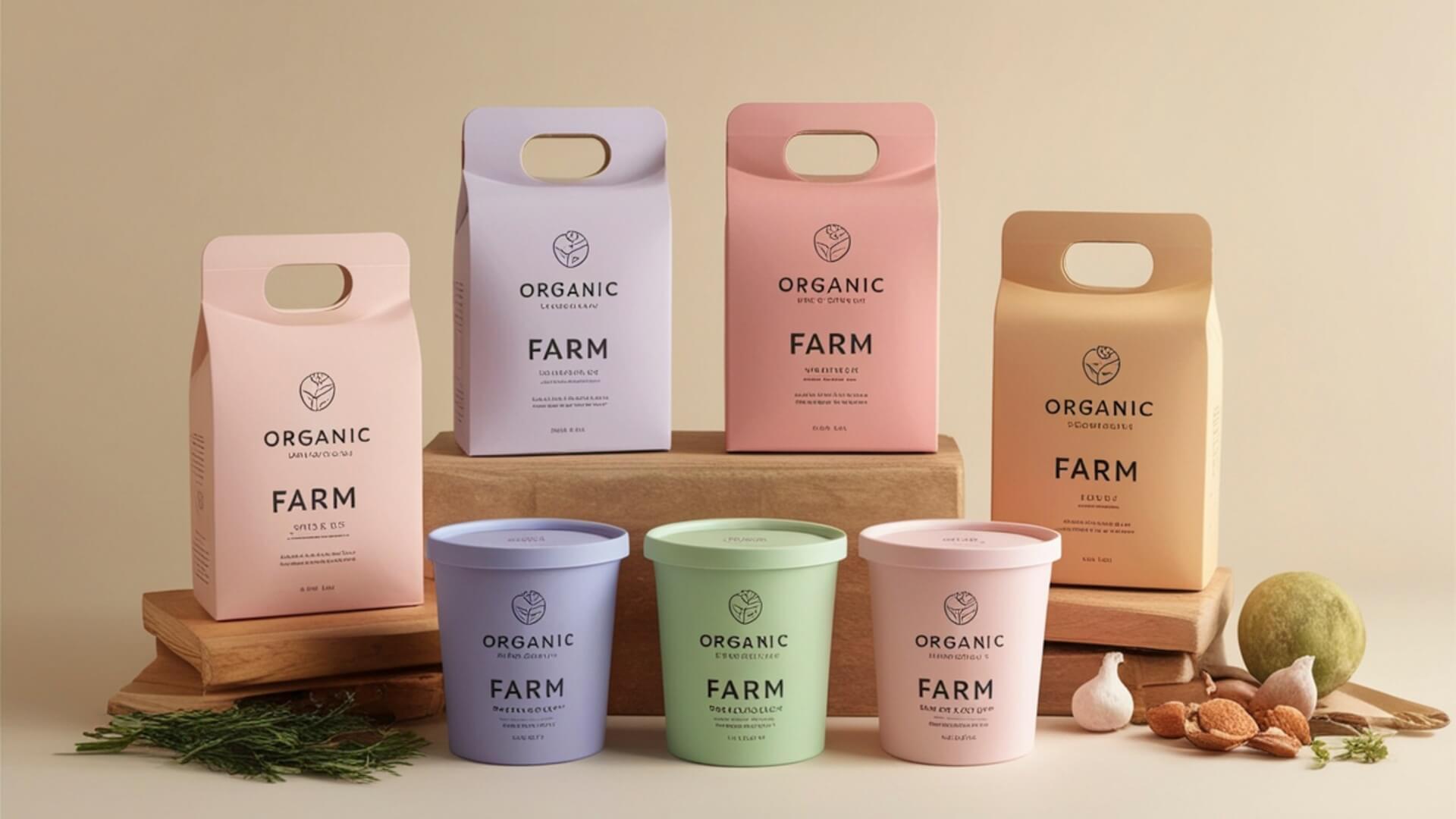
Packaging improvements also play an important role in differentiation. Premium packaging, branded inserts, and thank you cards can transform ordinary dropshipping private label products into products that feel more professional and memorable. When customers receive well-designed packaging, they often associate the experience with higher product quality.
Another option is product customization. By working closely with private suppliers for dropshipping, sellers can modify product colors, materials, or packaging elements. These small changes can help create unique custom label dropshipping products that stand out from generic marketplace listings.
Customer experience has a significant impact on the success of any private label dropshipping business. Because customers interact primarily with the brand rather than the supplier, the seller is responsible for creating a smooth and reliable shopping experience.
Shipping speed is one of the most important factors influencing customer satisfaction. Sellers who work with efficient dropshipping private suppliers or fulfillment networks can reduce delivery times and improve customer trust. Faster shipping often leads to better reviews and higher conversion rates.
Packaging quality is another factor that shapes the customer experience. Branded packaging reinforces the identity of private label brands and helps customers remember the store they purchased from. Even simple packaging improvements can create a more premium unboxing experience.
Responsive customer support is equally important. Stores that quickly respond to questions, resolve issues, and provide clear communication often build stronger relationships with customers. Over time, this positive experience helps turn first-time buyers into repeat customers.
The most successful private label dropshipping businesses focus on building brands rather than simply selling products. When a store develops a strong brand identity, customers are more likely to return for future purchases and recommend the brand to others.
Community building is one effective long-term strategy. Brands that engage customers through social media, online communities, or content marketing can create a loyal audience around their products. This approach helps transform simple dropshipping white label products into part of a broader lifestyle brand.
Encouraging repeat purchases is another key strategy. Many dropshipping private label products perform best when customers purchase them regularly. Offering subscription options, loyalty programs, or exclusive discounts for returning customers can significantly increase lifetime customer value.
Customer loyalty programs also strengthen long-term growth. By rewarding repeat buyers with points, special offers, or early access to new products, brands can build lasting relationships with their audience. This strategy helps private label dropshipping stores develop a stable customer base rather than relying entirely on new customer acquisition.
Although private label dropshipping offers strong opportunities for building a branded ecommerce business, many sellers encounter challenges during the early stages. Even experienced ecommerce entrepreneurs sometimes make strategic mistakes when launching dropshipping private label products, especially when transitioning from traditional dropshipping models.
One of the most common mistakes in private label dropshipping is selecting products that are already heavily saturated. When too many stores sell similar items, it becomes extremely difficult to differentiate a brand or maintain strong profit margins.
Many beginners simply choose products that appear popular on social media or trending marketplaces. However, without a clear branding angle or product differentiation strategy, these products quickly become commoditized. Successful dropshipping private label products often focus on niches where branding and storytelling can create unique value for customers.
Another major mistake involves choosing suppliers without proper research. Because private label dropshipping suppliers play a critical role in product quality and fulfillment reliability, selecting the wrong partner can damage a brand’s reputation.
Sellers should carefully evaluate private suppliers for dropshipping by reviewing product samples, testing shipping times, and confirming branding capabilities. Reliable dropshipping private suppliers should also provide clear communication and consistent quality standards.
Working with trustworthy suppliers ensures that custom label dropshipping products meet customer expectations and helps prevent issues such as delayed shipping, inconsistent packaging, or poor product quality.
Branding is the foundation of private label dropshipping, yet many sellers underestimate its importance. Some stores focus only on listing products without developing a clear brand identity, which makes their store appear similar to countless other ecommerce sites.
Strong branding involves more than just adding a logo. Successful dropshipping your own brand strategies includes cohesive packaging design, consistent visual identity, and a compelling brand story. These elements help transform generic items into recognizable white label dropshipping products or branded products that customers trust.
Without strong branding, even high-quality dropshipping private label products may struggle to stand out in competitive markets.
Another mistake that many new sellers make is underestimating the cost of marketing. Launching private label dropshipping products requires investment in advertising, influencer collaborations, and content creation in order to generate visibility.
Because branded products are often new to the market, they require consistent promotion to build customer awareness. Sellers who fail to plan an adequate marketing budget may struggle to generate traffic and sales during the early stages of their business.
Successful private label dropshipping brands typically combine multiple marketing channels, including social media advertising, influencer partnerships, and email marketing campaigns.
Before launching any dropshipping private label products, it is essential to test product samples from suppliers. Product samples allow sellers to evaluate quality, packaging presentation, and delivery time before customers place orders.
Testing products also helps confirm that the supplier can properly apply branding elements such as labels and packaging. This step is especially important when working with private label dropshipping suppliers or manufacturers that offer private supplier dropshipping services.
What is private label dropshipping?
Private label dropshipping is a business model where a supplier manufactures or sources generic products while the seller applies their own brand name, logo, and packaging. The supplier stores the inventory and ships products directly to customers, allowing sellers to operate dropshipping your own brand without managing production or warehousing.
Unlike traditional dropshipping, where multiple stores sell identical items, dropshipping private label products allows sellers to build brand recognition and differentiate their products in competitive markets. By working with reliable private label dropshipping suppliers, sellers can offer branded products while still benefiting from automated fulfillment.
What are the best private label dropshipping suppliers?
The best private suppliers for dropshipping usually provide three key capabilities: branding support, reliable fulfillment, and strong product quality. Suppliers that support logo printing, custom packaging, and product labeling are particularly useful for building a private label dropshipping business.
Popular private label dropshipping suppliers include platforms such as CJ Dropshipping, Zendrop, Spocket, and IChiba OnePlatform. These platforms allow sellers to source products while applying branding elements through custom label dropshipping services. In addition, some sellers work directly with manufacturers through sourcing platforms like Alibaba when they want deeper product customization.
Is private label better than traditional dropshipping?
In many cases, private label dropshipping offers significant advantages compared with traditional dropshipping. Generic dropshipping stores often face intense price competition because multiple sellers list the same products from large supplier catalogs.
With private label products dropshipping, sellers can create unique branding, customize packaging, and position their products as premium offerings. This approach helps increase perceived value and often allows higher profit margins. While it may require slightly more planning and branding effort, dropshipping private label products can lead to stronger, enduring business growth.
How much money do you need to start private label dropshipping?
The startup cost for private label dropshipping varies depending on branding complexity, marketing strategy, and supplier requirements. However, many sellers are able to launch their stores with a relatively moderate investment compared with traditional ecommerce businesses.
Typical startup expenses include branding design, website setup, product samples, and marketing campaigns. Because sellers work with private suppliers for dropshipping, they usually do not need to purchase large amounts of inventory upfront. This makes dropshipping private label products accessible to entrepreneurs who want to start building a brand without major manufacturing investments.
Can you dropship your own brand?
Yes, it is completely possible to dropship your own brand through private label dropshipping or white label dropshipping models. In this setup, suppliers produce the products while the seller controls branding elements such as the product name, logo, packaging, and marketing.
By working with white label dropshipping suppliers or private label dropshipping suppliers, entrepreneurs can launch white label dropshipping products or customized products under their own brand identity. This allows sellers to create branded ecommerce businesses while still relying on suppliers for production and fulfillment.
As ecommerce continues to evolve, more sellers are moving beyond generic product reselling and focusing on building recognizable brands. Private label dropshipping offers a powerful way to achieve this goal by combining the flexibility of dropshipping fulfillment with the sustainable advantages of brand ownership. Instead of competing only on price with identical products, sellers can differentiate themselves through branding, packaging, and customer experience.
For entrepreneurs who want to grow beyond traditional dropshipping, private label dropshipping provides a clear path toward building a real ecommerce brand. By combining the right niche, reliable suppliers, and effective marketing strategies, sellers can transform simple custom label dropshipping products into scalable businesses with strong profit potential.

Work with us
Our solutions
Address:
 〒136-0082, Japan, Tokyo, Koto-ku, Shinkiba 3-5-6, 5F
Connect us:


Japan
〒136-0082, Japan, Tokyo, Koto-ku, Shinkiba 3-5-6, 5F
Texas, USA
1606 Audrey Dr, Garland, TX 75040, United States
California, USA
1316 John Reed Ct, City of Industry, CA 91745, United States